
Is your snoring wrecking your sleep quality—or your partner’s?
Are you tempted by trending “sleep hacks” and gadget videos?
Do you want a budget-friendly fix you can try at home without wasting a month?
Yes, snoring is having a moment. Between sleep trackers, “biohacking” reels, and the ongoing burnout conversation, more people are paying attention to what happens after lights out. The goal isn’t perfection. It’s fewer bad nights in a row.
Why does snoring feel worse lately?
Sometimes it’s not “worse,” it’s just more noticeable. People are traveling again, sharing hotel rooms, and working odd hours. A single week of late nights can turn mild snoring into a full-volume problem.
Common snoring amplifiers include alcohol close to bedtime, back-sleeping, nasal congestion, and weight changes. Stress can also tighten routines in the wrong direction: more caffeine, later meals, and less consistent sleep.
There’s also broader discussion in sleep medicine about how breathing issues can show up in specific sleep stages. For a general read tied to recent coverage, see this: Scientists warn against viral nighttime mouth-taping trend. The takeaway is simple: if symptoms change, it’s worth paying attention.
Is snoring “just noise,” or a sleep health warning?
Snoring can be harmless. It can also be a flag that your airway is narrowing too much during sleep. The tricky part is that you can’t reliably tell which one it is from volume alone.
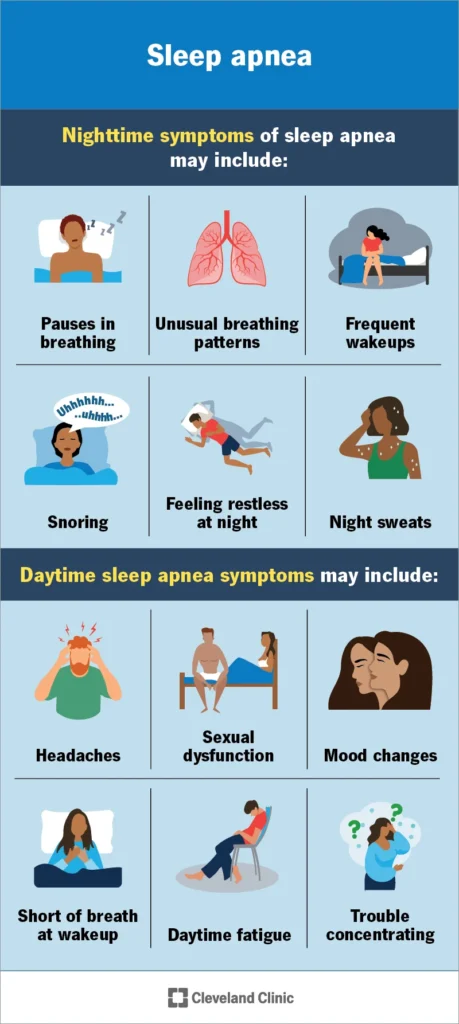
Consider a check-in if any of these show up:
- Choking, gasping, or witnessed breathing pauses
- Morning headaches or dry mouth most days
- Daytime sleepiness, especially while driving or in meetings
- High blood pressure or new heartburn at night
Relationship humor aside—“you sound like a leaf blower”—sleep quality affects mood, focus, and patience. That’s why snoring often shows up in workplace burnout conversations. When sleep gets fragmented, everything feels harder.
What’s up with viral mouth-taping and other sleep trends?
Mouth taping has gone viral, but recent reporting has highlighted expert concerns. It’s not a “free upgrade” to breathing. If your nose is blocked, taping can make airflow worse. If you might have sleep apnea, it can delay proper care.
If you like the idea behind the trend (less mouth-breathing, fewer dry-mouth wakeups), aim for safer basics first. Try nasal rinses if appropriate for you, manage allergies, and keep your bedroom air from getting too dry. If you still wake up with a desert mouth, it’s a signal to reassess, not a reason to seal your lips shut.
Where does an anti snoring mouthpiece actually fit?
An anti snoring mouthpiece is a practical middle lane. It’s less complicated than many gadgets, and it targets a common cause of snoring: the airway getting crowded when your jaw relaxes.
Many mouthpieces work by gently positioning the lower jaw forward to help keep the airway more open. Others focus on keeping the tongue from falling back. The best choice depends on your anatomy, comfort, and whether you’re dealing with simple snoring or something more serious.
What a mouthpiece is good for
- Budget-minded trial when snoring is frequent but you don’t have clear apnea red flags
- Travel weeks when sleep position and routine are off
- Partner-driven “we need a plan by Monday” situations
When a mouthpiece is not the whole answer
- Strong signs of sleep apnea (gasping, pauses, severe daytime sleepiness)
- Significant jaw pain, loose teeth, or untreated dental issues
- Snoring that continues even when you consistently sleep on your side
How do you try a mouthpiece without wasting money?
Think like a practical shopper, not a desperate insomniac. Your goal is to test one change at a time and judge it on sleep quality, not just decibels.
A simple at-home trial plan
- Pick a short test window: 10–14 nights is usually enough to know if it’s tolerable.
- Track two outcomes: partner-reported snoring + your daytime energy.
- Protect comfort: stop if you develop jaw pain, tooth pain, or headaches that persist.
- Keep the basics steady: similar bedtime, similar alcohol intake, similar sleep position.
If you want a combined approach that also supports mouth-closure for some sleepers, consider an option like this anti snoring mouthpiece. That pairing can be appealing if your snoring gets louder when your mouth falls open.
What else helps snoring and sleep quality on a budget?
You don’t need a nightstand full of gadgets. Start with the highest-return moves:
- Side-sleeping support: a pillow behind your back can reduce back-sleeping.
- Nasal comfort: address congestion and dryness so you can breathe through your nose.
- Timing: finish alcohol and heavy meals earlier when possible.
- Consistency: even a 30–60 minute swing in bedtime can change snoring for some people.
These changes won’t “cure” sleep apnea. They can, however, reduce the chaos that makes you feel like nothing works.
Common questions before you buy anything
Will this fix my sleep quality? It can help if snoring is fragmenting sleep. If you still wake up unrefreshed, look beyond snoring alone.
Is louder snoring always worse? Not always. The bigger issue is airflow and sleep disruption, not just sound.
Should I just copy what’s trending? No. Sleep trends spread fast because they’re simple to film, not because they’re right for your body.
CTA: Get a clearer answer fast
If snoring is becoming a nightly problem, a mouthpiece can be a reasonable next step—especially if you want a practical at-home trial before investing in more tech.
How do anti-snoring mouthpieces work?
Medical disclaimer: This article is for general education only and is not medical advice. Snoring can be a sign of obstructive sleep apnea or other health conditions. If you have choking/gasping, witnessed breathing pauses, significant daytime sleepiness, or concerns about your breathing during sleep, seek evaluation from a qualified clinician.