
Aromatherapy for Snoring: The Importance of Proper Dilution
Snoring is a common problem that affects many people, causing disrupted sleep for both the snorer and their partner. While there are various causes of snoring, one potential solution that has gained popularity in recent years is aromatherapy. Aromatherapy is the practice of using essential oils for their therapeutic benefits, and it has been used for centuries to treat a variety of health issues. In this blog post, we will explore how aromatherapy can be used to reduce snoring and the importance of proper dilution when using essential oils for this purpose.
The Basics of Aromatherapy
Before delving into the specifics of aromatherapy for snoring, it’s important to understand the basics of this practice. Aromatherapy involves the use of essential oils, which are highly concentrated plant extracts. These oils are extracted from various parts of plants, including flowers, leaves, and roots, and each oil has its own unique properties and benefits.
Essential oils are typically inhaled, either through a diffuser, steam inhalation, or by applying them to the skin. When inhaled, the molecules of the oils travel through the olfactory system and reach the brain, where they can have a powerful effect on our emotions, moods, and physical well-being. Aromatherapy is often used to promote relaxation, reduce stress and anxiety, improve sleep, and alleviate various health issues.
Using Aromatherapy for Snoring
When it comes to snoring, aromatherapy can be a useful tool in reducing the frequency and intensity of snoring. Certain essential oils have properties that can help open up the airways, reduce inflammation, and promote relaxation, all of which can contribute to reducing snoring. Some of the most effective essential oils for snoring include:
1. Peppermint oil – Known for its cooling and anti-inflammatory properties, peppermint oil can help open up the airways and reduce snoring caused by congestion or allergies.
2. Eucalyptus oil – This oil has decongestant and anti-inflammatory properties, making it effective in reducing snoring caused by congestion and allergies.
3. Lavender oil – Often used for relaxation and promoting sleep, lavender oil can also help reduce snoring by promoting relaxation of the throat muscles.
4. Thyme oil – This oil has antiseptic and expectorant properties, making it useful in reducing snoring caused by respiratory infections.
5. Cedarwood oil – Known for its calming and sedative effects, cedarwood oil can help promote relaxation and reduce snoring caused by stress and anxiety.
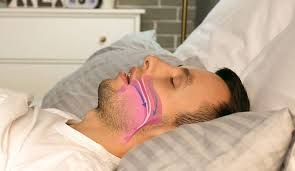
Aromatherapy for Snoring: The Importance of Proper Dilution
Importance of Proper Dilution
While essential oils can offer relief for snoring, it’s crucial to understand the importance of proper dilution. Essential oils are highly concentrated and must be diluted before use. Undiluted essential oils can cause skin irritation, allergic reactions, and even toxicity when used in high concentrations.
The recommended dilution ratio for adults is 2-3% for topical use and 1% for children and the elderly. This means that for every 1-ounce of carrier oil (such as coconut or jojoba oil), you should add 12-18 drops of essential oil for adults, and 6 drops for children and the elderly.
When using essential oils for snoring, it’s also essential to choose high-quality, pure oils. Synthetic oils or oils that have been adulterated can be less effective and may even cause adverse reactions. It’s always best to purchase oils from reputable sources and look for oils that are labeled as “pure”, “organic”, or “therapeutic grade”.
Other Tips for Using Aromatherapy for Snoring
In addition to proper dilution, there are a few other tips to keep in mind when using aromatherapy for snoring:
1. Use a diffuser – Diffusing essential oils can help to disperse the oils into the air, allowing them to be inhaled throughout the night. This can be especially helpful for those who snore due to congestion or allergies.
2. Apply topically – If you prefer not to diffuse, you can apply diluted essential oils to the chest, back, or soles of the feet before bedtime.
3. Experiment with blends – You can also create your own blends of essential oils to find what works best for your individual needs. Just be sure to follow proper dilution guidelines.
4. Be consistent – Aromatherapy is not a quick fix and may take some time to see results. Be consistent with your use of essential oils for snoring to see the best results.
Summary
In conclusion, aromatherapy can be an effective natural remedy for reducing snoring. Essential oils such as peppermint, eucalyptus, lavender, thyme, and cedarwood can help open up the airways, reduce inflammation, and promote relaxation, all of which can contribute to reducing snoring. However, it’s crucial to understand the importance of proper dilution when using essential oils. Diluting essential oils not only ensures safety but also allows for optimal effectiveness. If you or your partner suffer from snoring, consider incorporating aromatherapy into your nightly routine for a more restful and quiet sleep.