
Before you try another sleep gadget, run this quick checklist:
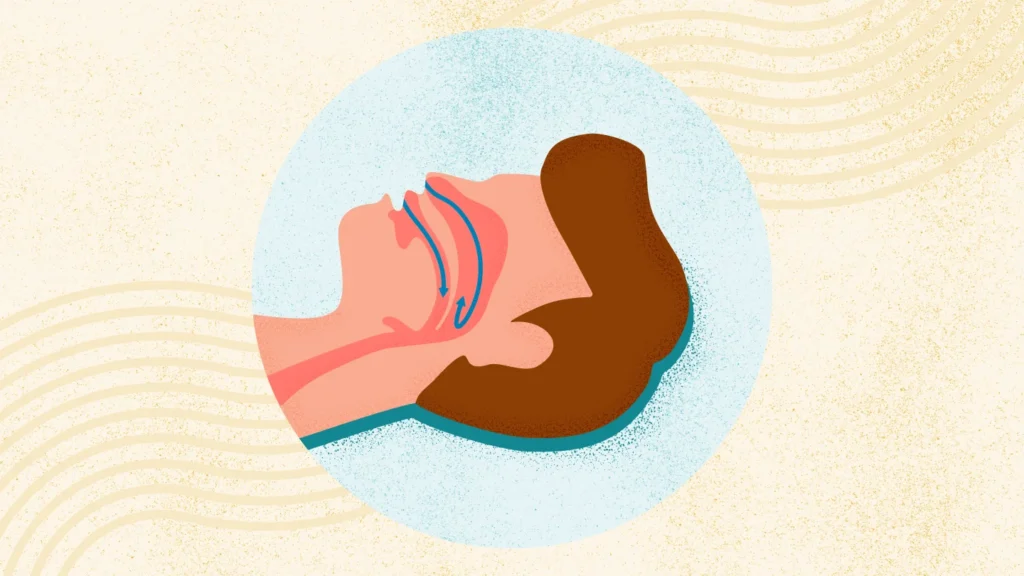
- Is it snoring or something bigger? Loud snoring plus choking, gasping, or extreme daytime sleepiness needs medical attention.
- Is the “problem” really timing? Night shifts, travel fatigue, and burnout can wreck sleep quality even if your snoring is mild.
- Is your partner silently keeping score? If the bedroom vibe is tense, you need a plan and a conversation, not another argument at 2 a.m.
- Have you tried the basics for one week? Side sleeping, less alcohol near bedtime, and a consistent wind-down still matter.
Overview: Why snoring is trending again (and why you feel it)
Sleep is having a moment. You see wearables, apps, “sleepmaxxing” routines, and endless reels about the perfect bedtime stack. Meanwhile, real life hits: late-night emails, travel days that blur time zones, and relationships where one person becomes the reluctant “sound engineer” for the other’s snoring.
Snoring isn’t just noise. It can fracture sleep for both people in the room. That ripple shows up as irritability, lower focus, and the kind of workplace burnout that makes everything feel harder than it should.
If you want a practical step that many people discuss right now, an anti snoring mouthpiece is often on the shortlist. It’s not magic. It’s a tool. The key is using it at the right time, with the right setup, and with realistic expectations.
Timing: When to focus on snoring vs. when to focus on sleep schedule
Snoring and sleep quality feed each other. But the order you tackle them matters.
If you’re dealing with night shifts
Shift work can scramble your body clock. That can make your sleep lighter and more fragmented, which makes every snore feel louder. Build a protected sleep block first: dark room, cool temperature, and fewer interruptions. Then layer in snoring solutions.
If you’re coming off travel fatigue
After a long flight or a week of hotel beds, snoring can spike. Dry air, odd pillows, and late meals can contribute. Give yourself two or three nights to normalize. If the snoring stays loud, move to a mouthpiece trial.
If your relationship is taking hits
Don’t wait until someone storms to the couch again. Pick a calm time to agree on a two-week experiment. Make it measurable: fewer wake-ups, less resentment, better mornings.
Supplies: What you need for a simple, low-drama test
- A tracking method: a phone note, sleep app, or wearable trend line. Keep it simple.
- Basic sleep supports: side-sleep pillow, water by the bed, and a consistent lights-out routine.
- A snoring option to trial: for many people, that’s an anti-snoring mouthpiece designed to support airflow.
- A partner plan: agree on what “better” means (less noise, fewer nudges, fewer separate-room nights).
Step-by-step (ICI): Identify → Choose → Implement
1) Identify what’s most likely driving your snoring
Use a quick self-audit. You’re not diagnosing anything here. You’re narrowing the experiment.
- Position: Snoring mostly on your back suggests a positioning component.
- Nasal congestion: If your nose is blocked, mouth breathing can increase snoring.
- Alcohol/sedatives near bedtime: These can relax tissues and worsen snoring.
- Stress and burnout: Light, broken sleep can make every sound feel amplified.
2) Choose the right category of help (don’t buy on hype)
Headlines and roundups keep circulating because people want a clear answer. You’ll see lists of mouthpieces, mouthguards, and new devices entering clinical testing. That’s useful context, but your win comes from matching the tool to the problem.
If you’re comparing what’s being discussed lately, start with a broad scan of These Are the Sleep Tips Experts (And Science!) Actually Back. Then filter your choices based on comfort and consistency, not just novelty.
When you’re ready to look at mouthpiece-specific options, use a focused page like anti snoring mouthpiece to compare styles and decide what fits your situation.
3) Implement a two-week experiment (the “quiet nights” protocol)
Night 1–3: Adaptation. Prioritize comfort and wear time. Keep your bedtime routine steady. Avoid making five changes at once.
Night 4–10: Stabilize. Track two numbers: (1) partner wake-ups, (2) your morning energy. If you can, note whether snoring is worse on back-sleep nights or after late meals.
Night 11–14: Decide. If things improved, keep going and refine the fit. If nothing changed, stop guessing and reassess the driver (position, congestion, schedule, or a medical evaluation).
Mistakes that keep people stuck (and keep couples annoyed)
Buying a device but ignoring the bedtime pattern
If you’re doom-scrolling until midnight, a mouthpiece won’t fix the sleep debt. Build a shut-down routine you can repeat, especially during high-stress weeks.
Testing on the worst nights only
Trying a new solution after a red-eye flight or after drinks sets it up to fail. Start on a normal weeknight so you can read the signal.
Turning snoring into a character flaw
Relationship humor about snoring is everywhere for a reason. It’s relatable. But blame kills follow-through. Treat it like a shared problem with a shared plan.
Missing red flags
Snoring with breathing pauses, gasping, or significant daytime sleepiness deserves medical attention. Don’t “power through” with gadgets if your symptoms suggest a bigger issue.
FAQ: Quick answers people want right now
Is an anti snoring mouthpiece the same as a sports mouthguard?
No. Many mouthguards are built for impact protection or grinding. Anti-snoring mouthpieces are designed to support airflow, often by adjusting jaw or tongue position.
What if my snoring is worse during stressful weeks?
That’s common. Stress can reduce sleep quality and increase sensitivity to disruptions. Keep your routine consistent and track patterns before changing products.
Can I combine a mouthpiece with other sleep fixes?
Yes. Pair it with side sleeping, a cool dark room, and fewer late-night stimulants. Change one variable at a time so you know what helped.
When should I talk to a clinician?
If you have choking/gasping, witnessed breathing pauses, severe daytime sleepiness, or cardiovascular concerns, get medical guidance. A mouthpiece may not be enough.
CTA: Make tonight easier on both of you
You don’t need a perfect routine to make progress. You need a repeatable one. If snoring is affecting sleep quality, mood, or your relationship, a structured trial beats another random purchase.
How do anti-snoring mouthpieces work?
Medical disclaimer: This article is for general education only and isn’t medical advice. Snoring can be a symptom of sleep apnea or other health conditions. If you have breathing pauses, chest pain, severe morning headaches, or significant daytime sleepiness, seek evaluation from a qualified healthcare professional.