
Before you try another sleep gadget, run this quick checklist:
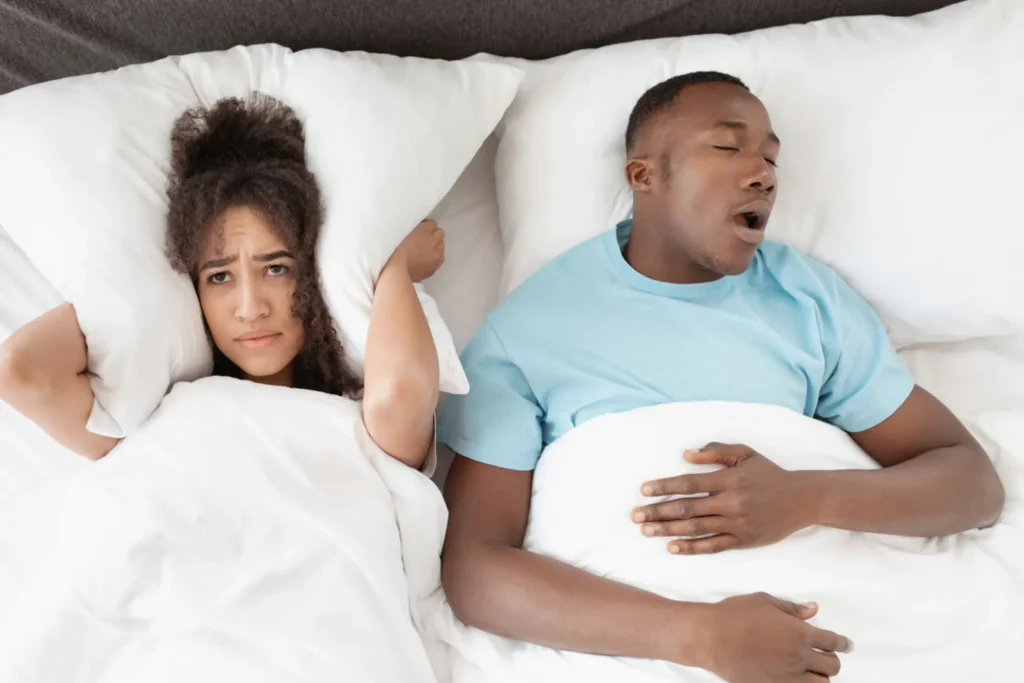
- Is the snoring new or suddenly worse? (Travel fatigue, alcohol, congestion, and burnout can all change your nights fast.)
- Is anyone hearing pauses, choking, or gasping? That’s a reason to get checked for a sleep breathing disorder.
- Is your partner “joking” about it… but actually irritated? Treat this like a teamwork problem, not a character flaw.
- Have you tried side sleeping and basic nasal support? If yes, a mouthpiece may be your next practical step.
Overview: Why snoring feels like a bigger deal right now
Snoring used to be a punchline. Lately it’s showing up in serious conversations about sleep quality, stress, and relationships. People are also paying attention to workplace burnout, late-night scrolling, and travel that wrecks routines.
At the same time, headlines keep circling back to oral appliances, connected care, and “smart” approaches to sleep. The cultural vibe is clear: fewer people want to just tolerate bad sleep. They want a plan.
If you’re worried snoring could be more than noise, skim a credible overview of Sleep apnea – Symptoms and causes. It’s a useful reality check.
Timing: When an anti snoring mouthpiece makes sense
Use an anti snoring mouthpiece when snoring is frequent, your sleep feels light or fragmented, and simple changes haven’t held up. It’s especially common to reach for one after a stretch of travel, a stressful quarter at work, or a season of poor habits.
Also consider timing in your relationship. If snoring is causing separate bedrooms, resentment, or “jokes” that land badly, act sooner. Sleep loss turns small conflicts into big ones.
When to pause and get medical input
Don’t self-manage if there are signs like choking/gasping, witnessed breathing pauses, severe daytime sleepiness, or high blood pressure concerns. A clinician can help you rule out or manage sleep apnea and guide you to appropriate options.
Supplies: What you need for a cleaner, easier start
- Your mouthpiece (follow the included fitting instructions)
- A toothbrush and mild soap or the cleaner recommended by the manufacturer
- A storage case that vents and stays dry
- A simple sleep note on your phone (snoring feedback, comfort, morning jaw feel)
If you want a combined approach that also supports mouth closure, consider an anti snoring mouthpiece. For some couples, reducing both sound and mouth-breathing dryness can be a quality-of-life upgrade.
Step-by-step (ICI): Implement, Check, Improve
1) Implement: Set up night one like a mini test
Start on a normal night, not after a late dinner and two drinks. Keep expectations realistic. You’re testing comfort and fit, not chasing perfection.
Tell your partner what you’re trying and what feedback you want. “Did it get quieter?” beats “Did I ruin your sleep?” every time.
2) Check: Confirm fit and comfort signals
A good fit feels secure without feeling aggressive. You should be able to close your lips and breathe comfortably. Mild pressure can be normal early on. Sharp pain is not.
In the morning, do a quick check-in: jaw stiffness, tooth soreness, dry mouth, and how rested you feel. Write one sentence. Patterns show up fast.
3) Improve: Make one change at a time
- Side-sleep support: If snoring spikes on your back, add a pillow strategy before you blame the mouthpiece.
- Nasal comfort: If congestion is driving mouth breathing, address that variable (humidity, allergies, basic nasal care).
- Consistency: Give it several nights. One rough night doesn’t equal failure.
Keep the focus on sleep quality, not just decibels. Quiet snoring that still leaves you exhausted is a different problem than simple “noise.”
Mistakes that waste money (and patience)
Trying to out-hack the basics
People stack gadgets—ring trackers, mouth tape, apps—then can’t tell what helped. Pick one primary tool and support it with one habit change.
Ignoring partner feedback until it becomes a fight
Snoring is shared airspace. Treat your partner like a teammate, not a critic. Ask for a simple 1–10 rating for noise and sleep disruption.
Powering through pain
Discomfort can happen during adjustment. Pain that’s intense or persistent is a stop sign. Don’t “tough it out” and hope your bite sorts itself out.
Assuming snoring is harmless by default
Sometimes it is. Sometimes it’s a clue that breathing is compromised during sleep. If red flags are present, get evaluated rather than guessing.
FAQ: Quick answers people are searching for
Is an anti snoring mouthpiece the same as a sleep apnea device?
Not always. Some oral appliances are used in sleep apnea care, but proper selection often depends on diagnosis and clinician guidance.
Will a mouthpiece stop snoring on the first night?
Some people notice improvement quickly, while others need adjustments and a short adaptation period. Treat the first week as a trial window.
What if I only snore when I’m exhausted or traveling?
That’s common. Travel fatigue, sleeping on your back, and alcohol can all worsen snoring. A mouthpiece may help, but also fix the situational triggers.
CTA: Make tonight simpler
If snoring is dragging down your mood, your focus, or your relationship, don’t wait for the “perfect” solution. Start with a clear, testable plan and track what changes.
How do anti-snoring mouthpieces work?
Medical disclaimer: This article is for general education and does not provide medical advice or a diagnosis. If you have symptoms like choking/gasping, breathing pauses, significant daytime sleepiness, or other concerns, talk with a qualified clinician or sleep specialist.