
Before you try another “miracle” sleep gadget, run this quick checklist:
- Confirm the pattern: Is it nightly, or only after travel, drinks, allergies, or burnout weeks?
- Check the impact: Are you waking up unrefreshed, or is your partner the one losing sleep?
- Rule out red flags: Choking/gasping, long pauses in breathing, morning headaches, or severe daytime sleepiness need medical evaluation.
- Decide what you want: Less noise, better sleep quality, fewer wake-ups, or all three?
- Pick a realistic first tool: For many people, an anti snoring mouthpiece is a practical starting point.
The big picture: why snoring is in the spotlight again
Snoring talk comes in waves. One week it’s new wearables and “sleep scores.” The next week it’s a headline hinting that nutrition—like vitamin D status—might be part of the conversation. Add workplace burnout, doomscrolling, and travel fatigue, and it’s no surprise people are searching for fixes that feel simple.
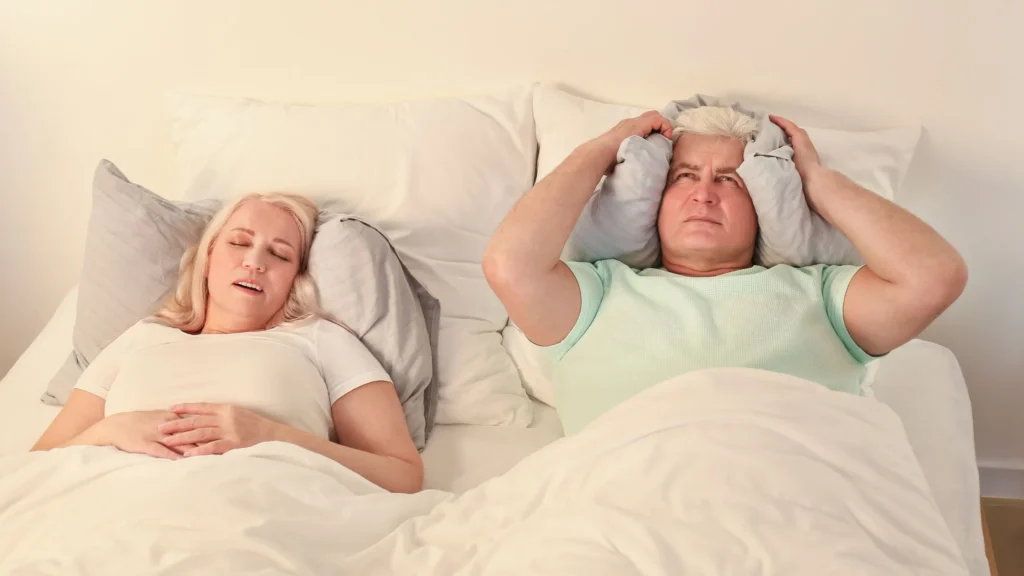
Snoring isn’t just a sound problem. It can be a sleep-quality problem. Even when the snorer feels “fine,” the bed partner may be collecting broken hours like frequent-flyer miles.
If you want a quick read on what’s being discussed in the news cycle, see Snoring at night? Low vitamin D might be playing a role.
The emotional side: pressure, jokes, and the “separate bedrooms” moment
Snoring can turn into a relationship storyline fast. People joke about it because it’s awkward to admit: “I’m tired because of your breathing.” That humor can be protective, but it can also delay action.
If you’re the snorer, it may feel like blame. If you’re the listener, it can feel like you’re begging for basic rest. The best move is to make it a shared problem with a shared plan. That keeps it from becoming a nightly argument at 2:00 a.m.
Practical next steps: a no-drama plan for better sleep
1) Do a 7-night “snore snapshot”
Keep it simple. Note bedtime, alcohol, congestion, sleep position, and whether travel or stress was high. You’re looking for triggers, not perfection.
2) Start with the easiest wins (they still count)
Try side sleeping, earlier wind-down, and nasal comfort strategies if congestion is common. These aren’t trendy. They work because they remove common snoring accelerants.
3) Where an anti snoring mouthpiece fits
A mouthpiece is popular because it’s a direct, mechanical approach. Instead of chasing ten sleep hacks, you try one tool designed to reduce the conditions that create snoring for many people.
If you want a product option that’s commonly searched in this category, see this anti snoring mouthpiece. (Tip: comfort and consistency matter more than “max adjustment.”)
4) Don’t ignore the “why now?” factors
Snoring often spikes when life gets loud. Burnout can shorten sleep and increase lighter sleep. Travel can dry the airway and disrupt routines. Even a new fitness or wellness trend can shift bedtime habits. Addressing the context helps the tool work better.
Safety and testing: how to be smart (not anxious)
Know the red flags
Snoring with choking/gasping, witnessed pauses in breathing, or severe daytime sleepiness can signal a more serious sleep-breathing issue. A clinician can help assess what’s going on. Don’t self-diagnose.
Protect your jaw and teeth
If you have jaw clicking, TMJ pain, loose crowns, or significant dental issues, get professional guidance before using a mouthpiece. Stop if you develop persistent jaw pain, tooth pain, or a bite that feels “off” after waking.
Run a simple success test
Success isn’t only “no snoring ever.” Use these markers:
- Fewer partner wake-ups
- Less dry mouth or sore throat
- Better morning energy
- More consistent sleep through the night
Give any change at least a week unless you feel pain or worsening symptoms.
FAQ
Can low vitamin D cause snoring?
Some headlines have raised the idea of a link, but snoring is usually multi-factorial. If you’re concerned about vitamin D or any deficiency, a clinician can advise on testing and safe supplementation.
What’s the difference between “simple snoring” and sleep apnea?
Simple snoring is noise from vibration in the airway. Sleep apnea involves repeated breathing disruptions during sleep. Loud snoring can happen in both, so symptoms and evaluation matter.
Do sleep gadgets replace real sleep habits?
No. Trackers can be useful for awareness, but basics like schedule, stress, and breathing comfort still drive sleep quality.
Medical disclaimer: This article is for general information only and isn’t medical advice. It doesn’t diagnose, treat, or replace care from a qualified clinician. If you suspect sleep apnea or have severe symptoms, seek professional evaluation.