
Before you try another sleep gadget, run this quick checklist:
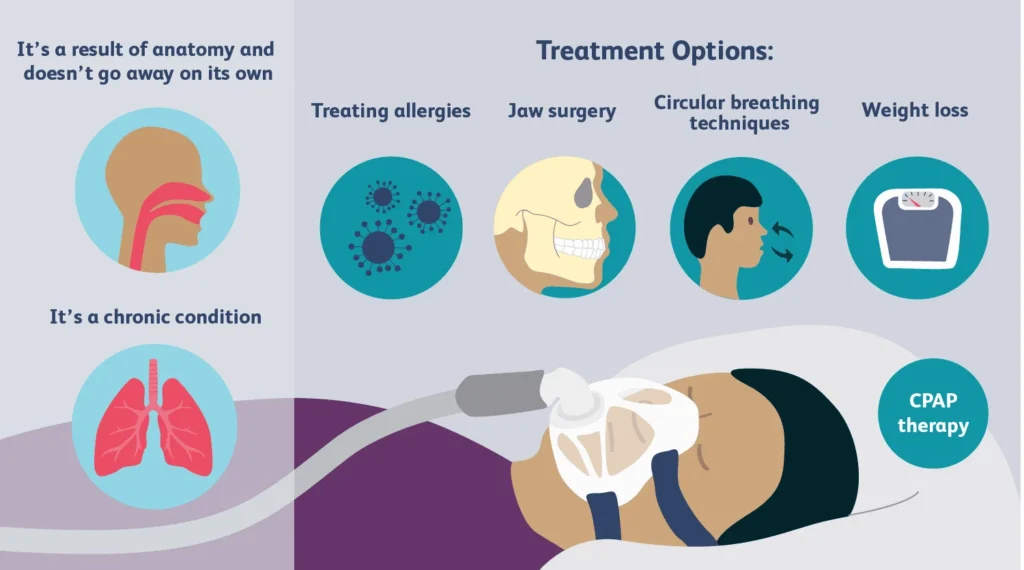
- Is it just noise—or are you tired? Track daytime sleepiness, mood, and focus.
- Any red flags? Pauses in breathing, choking/gasping, or severe fatigue need medical attention.
- What changed lately? Travel fatigue, late-night scrolling, alcohol, or burnout can spike snoring.
- Are you and your partner on the same team? Agree on a plan so it doesn’t turn into a 2 a.m. argument.
- Do you want a low-effort trial? An anti snoring mouthpiece can be one practical option.
Overview: why snoring feels so “everywhere” right now
Sleep talk is having a moment. You see quick “fall asleep faster” hacks, new-year sleep resets, and a steady stream of wearable data. At the same time, people are juggling packed calendars, travel whiplash, and work stress that follows them into bed.
Snoring lands right in the middle of that. It’s easy to joke about in a relationship—until someone has a meeting at 9 a.m. and feels wrecked. The goal isn’t perfection. It’s better sleep quality, less tension, and a plan you can stick with.
If you want a general framework, you’ll see many experts emphasize basics like sleep drive, circadian timing, sleep environment, and managing pre-bed overthinking. Here’s a related read on Here are five behavioral and psychological tips for a fresh start toward better sleep in the new year, spanning five categories — sleep drive, circadian rhythm, sleep hygiene, overthinking and pre-bed activity. https://wapo.st/3MQgP1D.
Timing: when to test changes (so you don’t fool yourself)
Snoring is inconsistent. A late dinner, a couple drinks, a stuffy nose, or sleeping on your back can change the whole night. That’s why one “good” night doesn’t prove a fix.
Pick a 7–14 day window. Keep your bedtime and wake time as steady as real life allows. Then change one major variable at a time.
A simple schedule that reduces drama
- Nights 1–3: Baseline. Don’t add new products yet.
- Nights 4–7: Add one behavior change (example: side-sleeping support).
- Nights 8–14: Trial an anti-snoring device if needed.
This approach also helps couples communicate. You’re not “trying everything.” You’re running a short experiment together.
Supplies: what you need for a realistic snore plan
- Notes app or paper log: bedtime, wake time, alcohol, congestion, stress level, and how you felt the next day.
- Phone audio (optional): a basic recording can confirm if snoring changed.
- Side-sleep support: pillow setup or a positional aid if you tend to roll onto your back.
- Comfort basics: water by the bed, nasal saline if you’re dry, and a cool/dark room.
- Device option: a properly designed mouthpiece if your pattern suggests it could help.
If you’re comparing devices, start by browsing anti snoring mouthpiece and focus on fit, comfort, and return policies.
Step-by-step (ICI): Identify → Choose → Implement
1) Identify your likely snore pattern
Use what you already know. Does snoring spike after long travel days? Does your partner say it’s worse on your back? Do you wake with a dry mouth?
- More snoring on your back: positioning may be a big lever.
- Snoring + daytime exhaustion: don’t ignore possible sleep-disordered breathing.
- Snoring during stressful weeks: pre-bed tension and schedule drift may be driving it.
2) Choose one “low-lift” change first
Pick the change you’ll actually do on a weeknight. Examples: consistent wake time, a 5-minute wind-down, or moving workouts earlier in the day. Many “fall asleep fast” tips work best when they’re repeatable, not heroic.
Keep it boring. Boring is what sticks when you’re burned out.
3) Implement a mouthpiece trial (when it makes sense)
An anti snoring mouthpiece is designed to help keep the airway more open during sleep by supporting jaw or tongue position, depending on the style. For many people, that means less vibration and less noise.
- Night 1–2: prioritize comfort. Expect a “new thing in my mouth” feeling.
- Night 3–7: look for trends: fewer wake-ups, fewer partner nudges, better mornings.
- End of week: decide based on sleep quality, not just decibel levels.
If you share a bed, set a neutral check-in: “Did you sleep better?” beats “Did I snore?” every time.
Mistakes people make (especially when they’re desperate)
Chasing viral trends instead of solving the real problem
Mouth taping gets talked about a lot online. It also raises safety concerns, and some doctors warn against it—especially if you have nasal blockage or might have sleep apnea. If you can’t breathe freely through your nose, don’t treat taping like a shortcut.
Ignoring possible sleep apnea
Snoring can be harmless, but it can also be a sign of sleep apnea. If there are witnessed breathing pauses, choking/gasping, or heavy daytime sleepiness, don’t “DIY” your way through it. Get evaluated.
Turning snoring into a character flaw
Snoring is a body thing, not a moral failing. Couples do better when they treat it like a shared logistics problem: noise, sleep debt, and a plan.
Measuring the wrong outcome
Less snoring is great. Better functioning is the win. If you’re still foggy, irritable, or dragging through meetings, keep looking at sleep quality and underlying causes.
FAQ: quick answers before you buy anything
How do I talk to my partner about snoring without a fight?
Pick a calm time. Use “I” language: “I’m not sleeping well” instead of “You keep me up.” Agree on a two-week plan and a check-in date.
What if snoring only happens during travel?
That’s common. Schedule changes, alcohol, dehydration, and back-sleeping in unfamiliar beds can all play a role. Try positional support and a consistent wind-down during trips.
Can a mouthpiece replace better sleep habits?
Usually not. Think of it as a tool, not a lifestyle. The best results often come from pairing a device with steadier timing and a calmer pre-bed routine.
Next step: pick one change tonight
If snoring is straining sleep and patience, don’t wait for a perfect moment. Start with the checklist, run a short trial, and focus on what improves mornings.
How do anti-snoring mouthpieces work?
Medical disclaimer: This article is for general education only and isn’t medical advice. Snoring can be a symptom of sleep apnea or other conditions. If you have choking/gasping, witnessed breathing pauses, significant daytime sleepiness, or other concerns, talk with a qualified clinician.