
Before you try another “viral” sleep fix, run this quick checklist.
- Is the snoring new or getting louder? If yes, treat it like a signal, not a punchline.
- Are you tired even after 7–9 hours in bed? That points to sleep quality, not just sleep time.
- Has a partner started sleeping in the other room? Relationship humor is real until it isn’t.
- Do you wake up with dry mouth, headaches, or feel “wired but tired”? Add it to your notes.
- Are you relying on gadgets, apps, or travel hacks to “force” sleep? That often means the basics need attention.
If you’re trying to fix snoring on a budget, you want moves that are measurable and low-drama. An anti snoring mouthpiece can be one of those moves, but it works best when you know what problem you’re solving.
Big picture: why snoring is suddenly everyone’s side quest
Snoring used to be background noise. Now it’s a topic in wellness chats, workplace burnout conversations, and travel fatigue threads. People are tracking sleep scores, buying new pillows, and testing every “sleep tech” add-on they see.
That cultural shift has a bright side: more people are asking smart questions about obstructive sleep apnea (OSA) and treatment options. It also has a downside: trends can make risky ideas sound harmless.
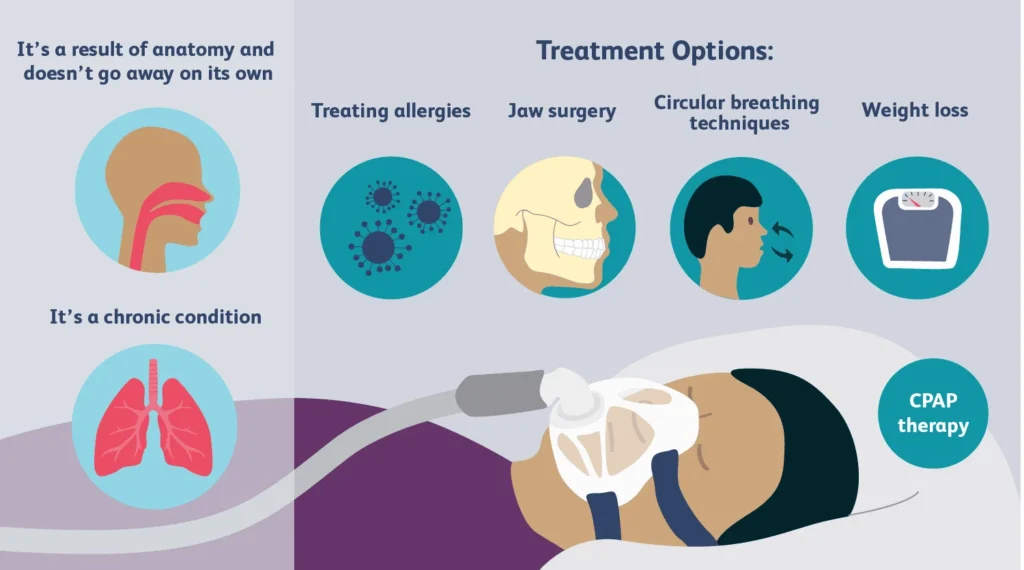
If you want a useful starting point for the medical conversation, read these Top Questions to Ask Your Doctor About OSA Treatment. Use it as a prompt list, not a self-diagnosis tool.
The emotional layer: snoring isn’t just sound—it’s social
Snoring turns bedtime into negotiation. One person wants closeness. The other wants silence. Add a new baby, a stressful job, or a red-eye flight, and patience drops fast.
It’s common to joke about it. Still, repeated sleep disruption can fuel irritability, lower focus, and that “burned out by noon” feeling. When the household is tired, everything costs more—time, money, and goodwill.
A practical plan helps. It reduces blame and replaces guesswork with simple tests.
Practical steps: a no-waste way to test what actually helps
1) Pick one goal: quieter nights or better breathing?
If the main issue is noise, you’ll track partner reports and recordings. If the issue is daytime fatigue, morning headaches, or witnessed pauses in breathing, think “breathing quality” and get screened for sleep apnea.
Both can be true. Just don’t treat a serious breathing problem like a minor annoyance.
2) Do a 7-night baseline (it’s boring, and it works)
For one week, change nothing. Log:
- Bedtime and wake time
- Alcohol timing (especially within 3–4 hours of bed)
- Nasal congestion
- Snoring intensity (partner rating 1–10 or a simple recording)
- Daytime sleepiness (morning + mid-afternoon)
This baseline prevents the classic mistake: buying three solutions and never knowing which one mattered.
3) Where an anti snoring mouthpiece fits
Many anti-snoring mouthpieces aim to support jaw and airway positioning during sleep. The goal is simple: reduce airway narrowing that can create vibration (snoring) and disturbed sleep.
People like mouthpieces because they’re:
- Portable (helpful for travel fatigue and hotel-room sleep roulette)
- One-time purchase compared with ongoing subscriptions or gadget upgrades
- Simple to test with a 1–2 week trial and consistent tracking
If you want a combined approach, consider an anti snoring mouthpiece. It’s a practical option for people who suspect mouth opening is part of the problem.
4) Pair the mouthpiece with two “free” upgrades
To keep it budget-friendly, stack only the basics:
- Side-sleep experiment: Try a pillow setup that makes back-sleeping less likely.
- Timing tweak: Avoid alcohol close to bedtime when possible.
Don’t change five things at once. You’ll lose the signal in the noise.
Safety and testing: don’t let trends outrun common sense
Snoring vs. suspected OSA: know the line
General medical guidance often highlights symptoms like loud snoring, choking/gasping, and daytime sleepiness as reasons to evaluate for sleep apnea. If you suspect OSA, a clinician can guide testing and treatment options.
About mouth taping and other viral hacks
Sleep trends come in waves. Mouth taping is one that gets a lot of attention. The problem is that “popular” doesn’t automatically mean “safe for you.” If you have nasal obstruction, allergies, or any breathing concerns, it can be a bad idea.
Use the same rule you use for supplements: if it changes breathing, treat it as medically relevant and ask first.
How to run a fair mouthpiece trial
- Give it time: Comfort and fit often improve over several nights.
- Track outcomes: Record snoring or use partner ratings.
- Watch your jaw: Stop if you get sharp pain, ongoing soreness, or bite changes.
- Keep expectations realistic: A mouthpiece may reduce snoring, but it’s not a guaranteed fix for every cause.
FAQ: quick answers people keep searching
Is snoring always a sign of sleep apnea?
No. Snoring can happen without OSA. Still, loud frequent snoring plus daytime symptoms is worth checking.
Will a mouthpiece fix my sleep quality if I’m burned out?
It can help if snoring or breathing disruptions are driving poor sleep. Burnout can also come from stress, schedule, and screen habits, so look at the whole picture.
What’s the simplest way to tell if it’s working?
Use a 1–10 snoring rating each morning (partner or recording) and compare to your baseline week. Also track how refreshed you feel.
Next step: get the answer, not another guess
If you’re tired of chasing sleep gadgets, pick one change you can measure. For many households, that means testing an anti snoring mouthpiece with a short, structured trial.
How do anti-snoring mouthpieces work?
Medical disclaimer: This article is for general education only and is not medical advice. Snoring can be a symptom of obstructive sleep apnea or other health conditions. If you have breathing pauses, choking/gasping during sleep, significant daytime sleepiness, chest pain, or other concerning symptoms, seek evaluation from a qualified clinician.