
Before you try an anti snoring mouthpiece, run this quick checklist:
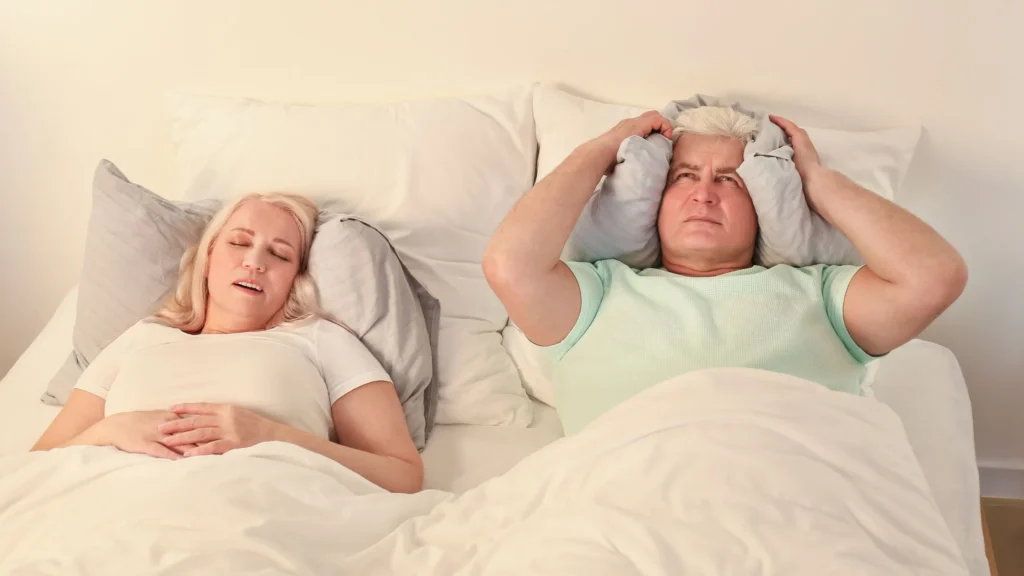
- Confirm the goal: reduce snoring and protect sleep quality, not “hack” sleep with another gadget.
- Scan for red flags: loud nightly snoring, choking/gasping, witnessed breathing pauses, morning headaches, or heavy daytime sleepiness.
- Check your nose: congestion and mouth breathing can sabotage comfort.
- Plan your timing: start on a low-stress week, not the night before a big trip or presentation.
- Commit to fit and cleanup: the basics matter more than fancy features.
Overview: Why snoring is trending again (and why you feel it)
Sleep talk is everywhere right now. People compare wearables, “recovery scores,” and new bedside devices like they’re discussing coffee orders. Add travel fatigue, irregular schedules, and workplace burnout, and it’s no surprise more households are noticing snoring.
Snoring also has relationship impact. It’s the classic “who stole my sleep?” argument, with a side of humor that stops being funny at 3 a.m. The practical goal is simple: protect sleep quality for both people in the room.
Recent health coverage has also pushed a related theme into the spotlight: mouth breathing. General reporting has highlighted that chronic mouth breathing can come with downsides like dryness and throat irritation, and it may signal nasal blockage or other issues worth addressing. If you want a general read, see this A Wake-Up Call to Mouth Breathing!.
Timing: When to test a mouthpiece (and when to pause)
Best time to start: when you can control your routine for at least a week. That means a consistent bedtime, fewer late meals, and minimal alcohol close to sleep.
Not ideal: the first night in a hotel, after a red-eye flight, or during a high-pressure work stretch. Travel fatigue and stress can worsen snoring and make any new device feel harder to tolerate.
Pause and get evaluated if you suspect obstructive sleep apnea. Snoring can be harmless, but it can also show up alongside more serious breathing disruptions during sleep. A clinician can help you sort that out safely.
Supplies: What you’ll want on the nightstand
- Your mouthpiece + case (so it doesn’t end up on a tissue on the sink).
- A mirror for quick checks on seating and alignment.
- A soft toothbrush dedicated to cleaning the device.
- Mild soap or a cleaner recommended by the manufacturer.
- Water (dry mouth happens, especially if you mouth-breathe).
If you’re still comparing styles, start with a simple list of candidates. Here are anti snoring mouthpiece to review by fit type and comfort preferences.
Step-by-step (ICI): Insert, Check, Improve
This is the “tools and technique” part. Comfort and positioning usually decide whether a mouthpiece helps or ends up in a drawer.
1) Insert: Seat it the same way every time
Wash your hands and rinse the device. Then place it gently and fully, following the product instructions. Avoid biting down hard to “force” it into place.
If your device is adjustable, make only one small change at a time. Big jumps often create jaw soreness and make it tough to troubleshoot.
2) Check: Do a 60-second comfort scan
- Jaw: Do you feel strain in the joint near your ears?
- Teeth/gums: Any sharp pressure points?
- Lips: Can you close your lips comfortably?
- Breathing: Can you breathe through your nose without fighting for air?
If your lips won’t close or your mouth pops open, you may be dealing with congestion or a fit issue. Treating nasal stuffiness (with clinician-approved options if needed) can make mouthpiece use more tolerable.
3) Improve: Make micro-adjustments and track the result
Pick one metric to follow for a week: partner feedback, a simple snore-recording app, or how refreshed you feel. Don’t chase perfection nightly. Aim for a trend.
If you wake with mild jaw tightness, try a shorter “break-in” window. Wear it for part of the night, then extend gradually as comfort improves.
Mistakes that ruin results (even with a good device)
Changing too many variables at once
If you add a mouthpiece, a new pillow, and a new bedtime in the same week, you won’t know what helped. Keep it simple and adjust one thing at a time.
Ignoring mouth breathing and dryness
Dry mouth can wake you up and make you abandon the device. Hydration helps, but persistent mouth breathing may point to nasal blockage or other factors worth discussing with a professional.
Over-tightening for “maximum effect”
More advancement or pressure is not automatically better. Comfort drives consistency, and consistency drives outcomes.
Skipping cleaning and storage
A dirty device can smell, stain, and feel rough. Clean it daily and let it dry fully. Store it in a ventilated case.
FAQ: Quick answers people want right now
- Can an anti snoring mouthpiece stop snoring instantly? Some people notice a change quickly, but many need several nights of adjustment for comfort and fit.
- What if snoring is worse after drinking? Alcohol can relax airway tissues and worsen snoring. Consider reducing alcohol close to bedtime when you’re testing any device.
- Is it normal to drool at first? Yes, extra saliva can happen early on. It often improves as you adapt.
CTA: Ready to get practical about quieter nights?
When you want a low-drama approach, focus on fit, comfort, and repeatable setup. That’s the difference between “I tried it once” and “we both slept.”
How do anti-snoring mouthpieces work?
Medical disclaimer: This article is for general education only and is not medical advice. Snoring can have many causes. If you have symptoms such as choking/gasping during sleep, witnessed breathing pauses, significant daytime sleepiness, or persistent jaw/tooth pain with a device, seek evaluation from a qualified clinician or dentist.