
Before you try anything for snoring, run this quick checklist.
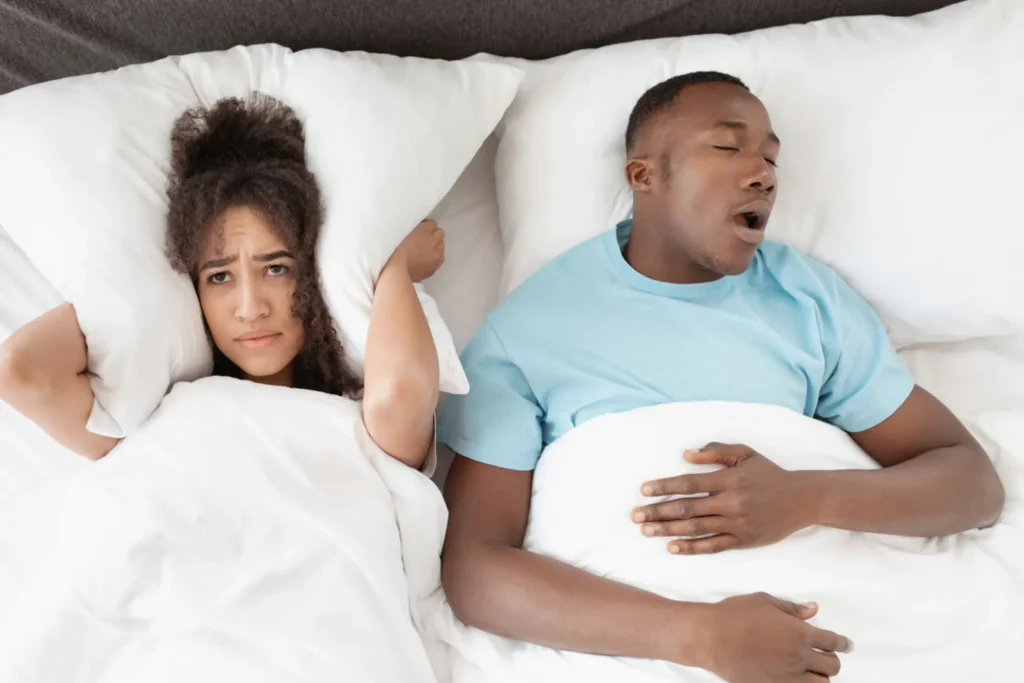
- Screen first: Any choking/gasping, witnessed breathing pauses, or extreme daytime sleepiness?
- Confirm the pattern: Is it nightly, only after alcohol, or mostly during travel and burnout weeks?
- Pick a “one change” trial: Don’t stack five sleep gadgets at once and call it “sleepmaxxing.”
- Protect your mouth: Avoid sharp edges, poor fit, and questionable materials.
- Write it down: Comfort, jaw feel, snoring reports, and morning energy for 7–14 days.
Snoring is having a cultural moment. Between wearables, sleep scores, viral hacks, and couples joking about “separate bedrooms,” it’s easy to treat noise as the only problem. But sleep quality is the real target. Better sleep can mean steadier mood, fewer afternoon crashes, and less friction at home and work.
Start here: is this just snoring, or a bigger sleep issue?
Not all snoring is the same. Sometimes it’s a simple airflow problem from sleep position, congestion, or alcohol. Other times, it can be a sign of obstructive sleep apnea, which is why health systems and sleep clinics keep pushing awareness and screening.
If you want a general, news-style overview tied to what people are discussing lately, read this An inspirational solution to obstructive sleep apnea from CommonSpirit Health.
A decision guide you can actually use (If…then…)
This is the no-drama way to choose your next step. Use the branch that matches your situation best.
If your partner hears pauses, gasps, or choking… then pause DIY and screen
Those are common warning signs that deserve medical attention. A mouthpiece may still be part of the plan later, but don’t skip evaluation. It’s also the safest way to reduce the risk of wasting money on fixes that don’t match the cause.
If snoring spikes during travel fatigue… then stabilize basics before you buy
Red-eye flights, hotel air, and irregular meals can all rough up sleep. Start with simple steps: consistent bedtime, less alcohol close to sleep, and nasal comfort measures that are appropriate for you.
If the snoring persists at home, that’s when an anti snoring mouthpiece becomes a more meaningful trial instead of a panic purchase.
If you’re “sleep tracking” but more anxious… then simplify the experiment
Wearables and sleep apps can be helpful, but they can also turn bedtime into a performance review. Pick one metric that matters—like how you feel at 10 a.m.—and use it alongside partner feedback.
One change at a time beats “sleepmaxxing” with five gadgets and zero clarity.
If snoring is position-related… then try a mouthpiece only if you can’t stay off your back
Many people snore more when they sleep on their back. If side-sleeping strategies don’t stick, a mouthpiece may help by supporting airflow mechanics during sleep.
If you want a non-surgical, at-home option… then consider a mandibular-advancement style mouthpiece
An anti snoring mouthpiece typically works by gently moving the lower jaw forward to help keep the airway more open. Fit and comfort matter. So does being realistic: it’s a trial, not a guarantee.
If you’re comparing options, look for clear instructions, a reasonable adjustment approach, and a return policy that doesn’t feel like a trap.
If you’re tempted by viral hacks (like mouth taping)… then choose safety over novelty
Trends spread fast, especially ones that promise “quiet sleep” in a single step. But anything that changes breathing during sleep deserves caution. If you have nasal obstruction, allergies, reflux, anxiety, or you’re shopping for a child, get professional guidance before trying restrictive hacks.
How to trial an anti snoring mouthpiece without guessing
Run a short, documented test so you can make a clear keep/return decision.
- Trial length: 7–14 nights (unless you have pain or new symptoms).
- Track: snoring volume (partner rating 1–10), morning dryness, jaw soreness, and daytime focus.
- Stop and reassess: sharp tooth pain, ongoing jaw pain, bite changes, or worsening sleepiness.
This approach also helps in relationships. Instead of “you’re snoring again,” you get “we’re testing one change for two weeks.” Less blame, more teamwork.
What to look for in a mouthpiece (and what to avoid)
Prefer
- Comfortable edges and stable fit
- Materials and instructions that feel legitimate and transparent
- A design that supports consistent use (because the best device is the one you’ll actually wear)
Avoid
- Anything that feels overly bulky or forces extreme jaw positioning
- Products with unclear sizing, unclear care instructions, or no support
- “Miracle cure” language that ignores screening for sleep apnea
A practical option to consider
If you want a combined approach that targets mouth position and jaw stability, you can review this anti snoring mouthpiece. Keep your trial notes. Make the decision based on sleep quality, not hype.
FAQ: quick answers people ask right now
Are sleep gadgets necessary to fix snoring?
No. They can help you observe patterns, but the fix usually comes from matching the tool to the cause.
Can burnout make snoring worse?
Stress and poor routines can fragment sleep and increase throat relaxation in some people. It’s not the only factor, but it can stack the odds.
Should I use a mouthpiece if I have dental work or jaw issues?
Be cautious. If you have TMJ pain, loose teeth, or major dental work, ask a dental professional before using an oral appliance.
Next step
Want the short, plain-language explanation before you decide?
How do anti-snoring mouthpieces work?
Medical disclaimer: This article is for general education and is not medical advice. Snoring can be a symptom of obstructive sleep apnea or other conditions. If you have breathing pauses, gasping, severe daytime sleepiness, chest pain, or concerns about a child’s sleep, seek evaluation from a qualified clinician.