
Before you try another sleep fix, run this checklist.
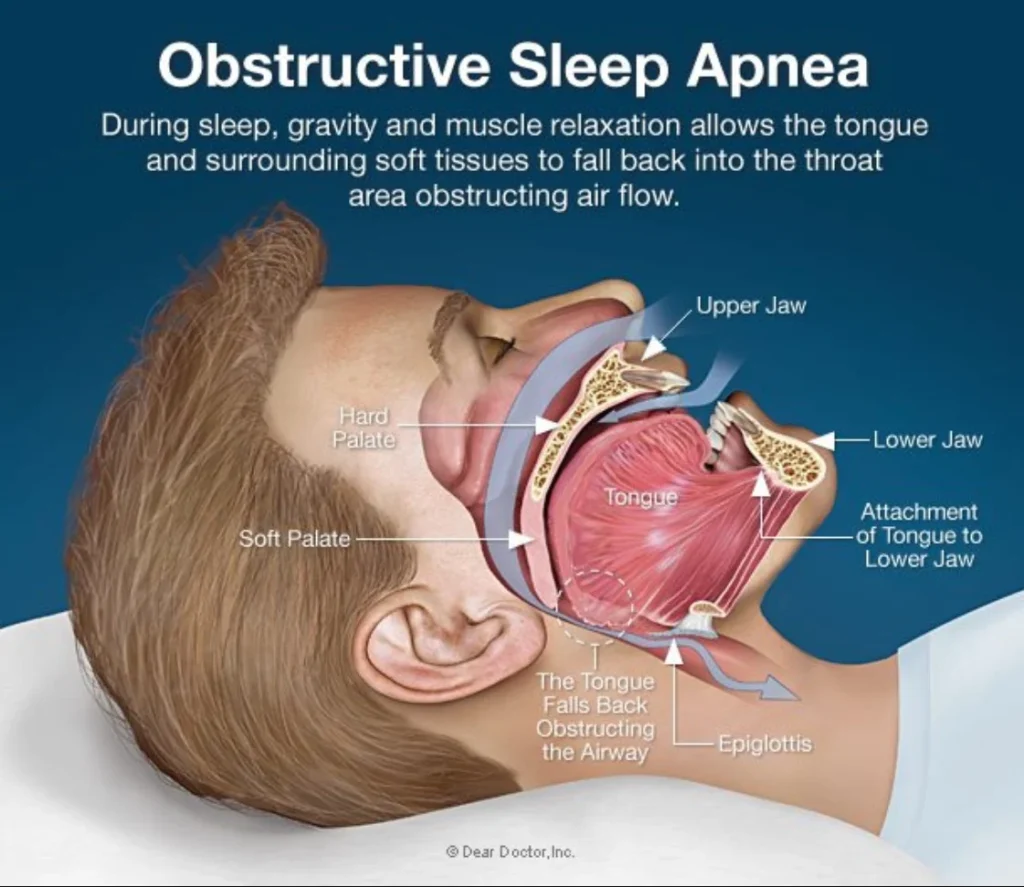
- Is it snoring only, or do you also have choking/gasping, breathing pauses, or heavy daytime sleepiness?
- Is your “sleep problem” actually a schedule problem (late screens, travel fatigue, early meetings, or shift work)?
- Have gadgets taken over your nightstand (tape, trackers, sprays, smart pillows) without a clear plan?
- Is it affecting your relationship (the “I love you, but I’m moving to the couch” phase)?
- Do you want a tool that’s simple, packable, and doesn’t require charging?
Overview: what people are talking about right now
Snoring is having a cultural moment. Sleep trackers call out “restlessness.” Social feeds push quick hacks. Work burnout makes everyone feel tired, so snoring gets blamed for everything.
At the same time, mainstream health coverage keeps circling back to a serious point: obstructive sleep apnea (OSA) is not just “annoying snoring.” It can affect long-term health, and it deserves real evaluation and treatment when it’s present. If you want a deeper read, here’s a relevant source framed like a search query: Preventing Alzheimer’s disease and dementia by treating obstructive sleep apnea.
This guide stays practical: better sleep quality, less snoring, and where an anti snoring mouthpiece fits—without pretending one tool solves every sleep problem.
Timing: when to troubleshoot vs when to get checked
Troubleshoot first when snoring is occasional and tied to clear triggers. Common ones include alcohol close to bedtime, nasal congestion, sleeping on your back, or a brutal travel week.
Escalate sooner if snoring comes with red flags. Think witnessed pauses, gasping, morning headaches, high blood pressure, or dozing off during the day. In that lane, “just try another gadget” can waste months.
If you’re unsure, write down what’s happening for two weeks. You’ll walk into a medical visit with better answers and better questions.
Supplies: what you need for a clean, repeatable setup
- A simple tracker: notes app, paper log, or your wearable’s trends (no obsession required).
- Nasal support (optional): saline rinse, shower steam, or strips if congestion is a driver.
- Side-sleep aid: body pillow, backpack trick, or wedge if back-sleeping ramps up snoring.
- Your mouthpiece plan: know the type (jaw-advancing vs tongue-holding), the fit method, and the cleaning routine.
- Morning check: a 30-second jaw/teeth comfort scan so you don’t “power through” pain.
If you’re comparing devices, start here: anti snoring mouthpiece.
Step-by-step (ICI): Install → Check → Improve
This is the repeatable loop that keeps sleep fixes from turning into a drawer full of regrets.
1) Install: set the baseline night
Pick two “normal” nights. Keep bedtime and wake time steady. Skip late alcohol if you can. Then note: snoring volume (1–5), awakenings, morning dryness, and how you feel by mid-morning.
Why it matters: if you don’t know your baseline, you can’t tell if a mouthpiece is helping or if you just had an easier week at work.
2) Check: confirm you’re targeting the right problem
Snoring can come from relaxed throat tissues, nasal blockage, or jaw/tongue position. Mouthpieces mainly target positioning. They don’t fix every cause.
Also, be cautious with viral “sleep hacks.” Mouth taping gets attention in the press, but it’s not a one-size solution. If you can’t breathe freely through your nose, forcing your mouth closed can be a bad idea.
3) Improve: use the mouthpiece like a tool, not a dare
If you’re trying an anti snoring mouthpiece, focus on comfort and consistency:
- Start conservative: choose the least aggressive setting that still feels secure.
- Give it an adjustment window: mild drooling or “new” sensation can happen early on.
- Re-check in the morning: jaw tightness, tooth soreness, or bite changes are signals to pause and reassess.
- Pair it with position: many people do better on their side, even with a device.
Think of it like noise-canceling headphones. They’re great when used correctly. They’re miserable when the fit is wrong.
Mistakes that keep snoring (and bad sleep) on repeat
- Chasing novelty: rotating gadgets nightly instead of testing one change for a full week.
- Ignoring the “why now” factor: travel fatigue, weight changes, allergies, or burnout can shift snoring fast.
- Over-tightening: more force is not automatically more effective with mouthpieces.
- Skipping cleanup: a dirty device can smell bad and feel worse, which kills compliance.
- Laughing off red flags: relationship jokes are fine; gasping and daytime sleepiness are not.
FAQ quick hits
Can a mouthpiece help sleep quality?
If it reduces snoring and micro-awakenings, many people feel more rested. If sleep apnea is present, you may need a clinician-guided plan.
What if my partner says I still snore?
Treat it like a fit problem or a trigger problem. Re-check sleep position, nasal congestion, and device comfort. Consider medical screening if symptoms point to OSA.
What’s a good “success metric”?
Fewer awakenings, better morning energy, and less partner disturbance. Volume alone isn’t the whole story.
CTA: pick the next right step (and keep it simple)
If your snoring seems position-related and you want a packable tool that fits real life, an anti snoring mouthpiece is often the simplest place to start.
How do anti-snoring mouthpieces work?
Medical disclaimer: This article is for general information only and is not medical advice. Snoring can be harmless, but it can also signal obstructive sleep apnea or other health issues. If you have choking/gasping, witnessed breathing pauses, significant daytime sleepiness, chest pain, or persistent symptoms, seek evaluation from a qualified clinician.