
Before you try anything for snoring, run this quick checklist.
- Safety first: Do you ever wake up choking, gasping, or with a racing heart?
- Daytime impact: Are you exhausted, foggy, or dozing off easily?
- Witnessed pauses: Has anyone noticed you stop breathing?
- Context: Did this start with travel fatigue, a cold, allergies, or weight changes?
- Goal: Quieter nights, better sleep quality, or both?
If you checked any “breathing pause” box, don’t treat this like a simple shopping problem. Snoring can be harmless, but it can also overlap with sleep apnea. Screening protects your health and helps you avoid wasting money on the wrong fix.
Decision guide: If this, then that
Sleep trends move fast. One week it’s a new wearable. The next it’s a viral hack. Use this branch-by-branch guide to pick a sensible next step.
If you suspect sleep apnea, then screen before you experiment
If you snore loudly and also have choking/gasping, morning headaches, or heavy daytime sleepiness, prioritize screening. A lot of recent health coverage has reiterated the same point: symptoms matter, and untreated sleep apnea can affect more than your mood.
Start by reviewing Sleep apnea – Symptoms and causes and bring your notes to a clinician. Document what your bed partner hears, how often it happens, and how you feel during the day. That paper trail is useful.
If your snoring is mostly position-related, then start with “body mechanics”
If snoring ramps up when you sleep on your back, try a positioning change first. Side-sleeping, a supportive pillow, and a consistent bedtime can improve sleep quality without adding another gadget to your nightstand.
This is also where relationship humor shows up for a reason. Many couples end up negotiating “who nudges who” at 2 a.m. A plan beats resentment. Agree on a simple signal and a non-dramatic reset.
If you feel blocked up, then think nasal airflow (not just noise)
When congestion is the main driver, improving nasal breathing can reduce snoring for some people. That’s why nasal strips keep trending in sleep conversations. They’re simple, low-commitment, and easy to test for a few nights.
If your nose is frequently blocked, treat the cause seriously. Persistent obstruction deserves medical attention, especially if it disrupts sleep.
If you want a targeted tool, then consider an anti snoring mouthpiece
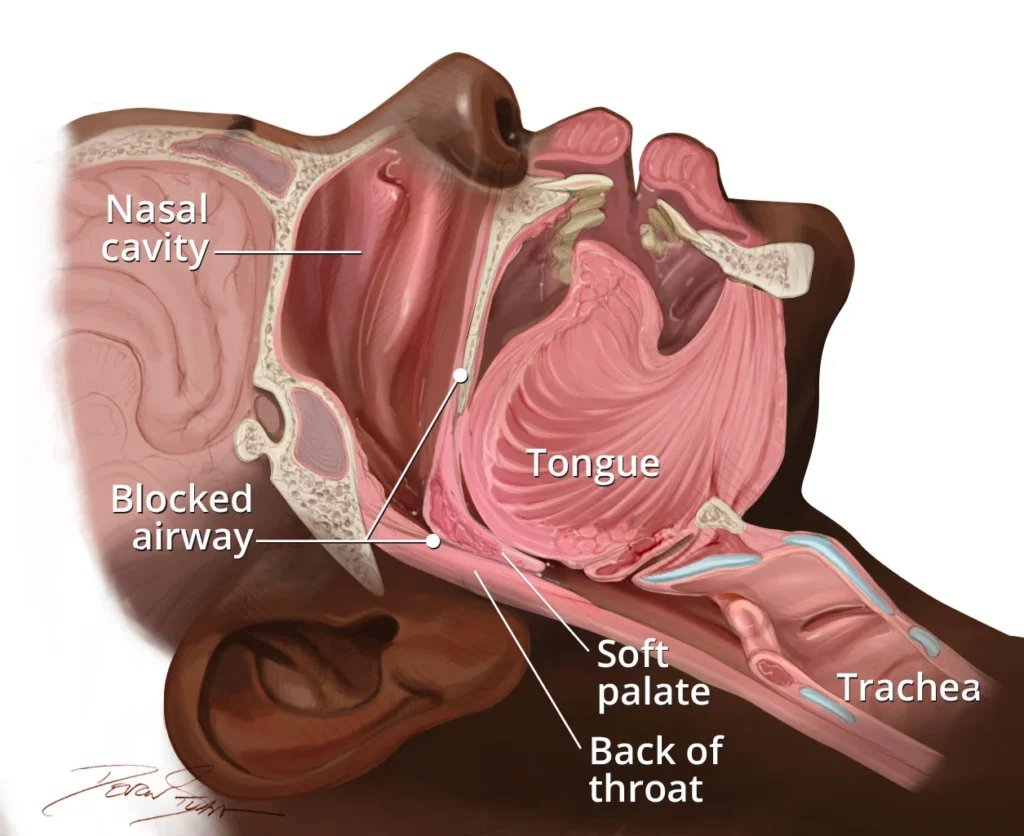
An anti snoring mouthpiece is often used when snoring is linked to jaw position and soft tissue relaxing during sleep. In plain terms, it aims to keep your airway more open by changing how your mouth and jaw sit at night.
This category has also been showing up in “connected care” conversations lately, with oral appliances being discussed alongside broader sleep-health ecosystems. You don’t need a high-tech setup to benefit, but it’s a reminder to take fit and follow-up seriously.
If you want a product option to compare, see this anti snoring mouthpiece. Keep your expectations realistic: comfort, fit, and consistency matter as much as the device itself.
If you’re tempted by viral hacks, then slow down and risk-check
Some “sleep hacks” spread because they’re dramatic, not because they’re right for you. Mouth taping is a good example of a trend that gets attention. For certain people it may feel helpful, but it can be unsafe if you have nasal obstruction, reflux, panic, or possible sleep apnea.
Use a simple rule: if a hack could limit breathing or delay screening, don’t DIY it. Choose options you can stop instantly and safely.
How to choose safely (and document your results)
Pick one change at a time
Don’t stack five interventions and hope for the best. Try one change for a week: position, alcohol timing, nasal support, or a mouthpiece. That makes your results believable.
Track sleep quality, not just snore volume
Snoring is social. Sleep quality is personal. Track both. Note morning dryness, headaches, awakenings, and daytime focus. This is especially important if workplace burnout is already draining you. Poor sleep can amplify stress fast.
Watch for red flags with mouthpieces
- Stop if you get sharp tooth pain, jaw locking, or worsening headaches.
- Keep it clean and dry to reduce irritation and infection risk.
- If you have dental work, TMJ issues, or gum disease, ask a clinician or dentist first.
FAQ: quick answers people are asking right now
Is snoring always a problem?
Not always. But frequent snoring plus poor daytime function is worth addressing, and breathing pauses need screening.
Can a mouthpiece replace medical care?
No. It can be a tool for simple snoring, but it’s not a substitute for evaluating possible sleep apnea.
What if snoring only happens when I travel?
Treat travel like a trigger: dehydration, alcohol, back-sleeping, and congestion are common culprits. Test a simple routine before buying multiple gadgets.
Next step: choose a calm, testable plan
If you want a practical starting point, begin with screening if you have apnea signs. If you don’t, pick one intervention and measure the outcome for a week. That approach protects your health and keeps your spending honest.
How do anti-snoring mouthpieces work?
Medical disclaimer: This article is for general education and does not provide medical advice, diagnosis, or treatment. If you have symptoms of sleep apnea (like breathing pauses, choking/gasping, or severe daytime sleepiness), talk with a qualified clinician or a sleep specialist.