
Before you try another “miracle” sleep fix, run this quick checklist:
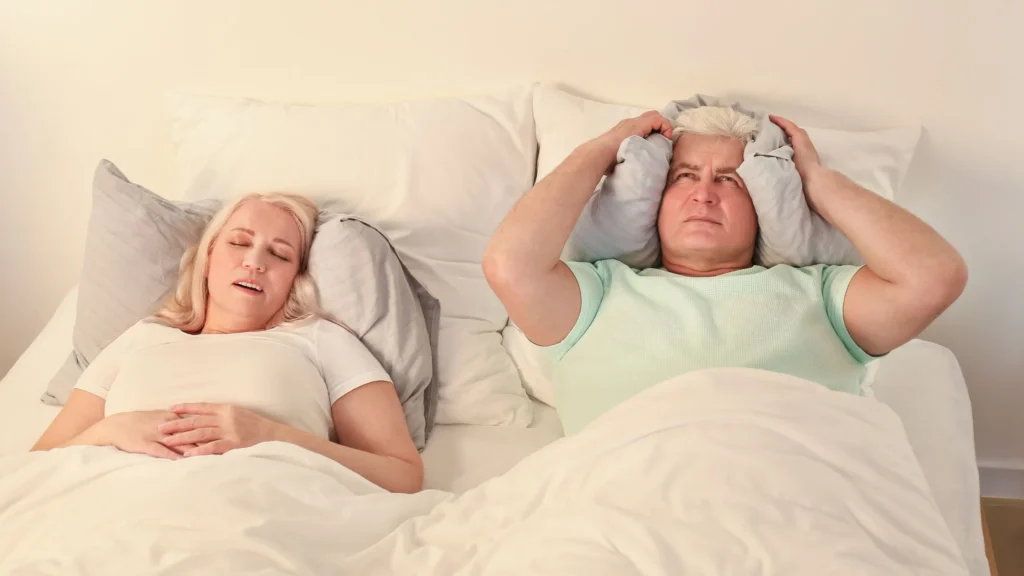
- Is snoring hurting your sleep quality (or your partner’s) more nights than not?
- Are you collecting sleep gadgets—apps, rings, white-noise machines—without feeling more rested?
- Do travel days, late meals, alcohol, or stress make the snoring louder?
- Is the bedroom vibe tense because one of you is exhausted and the other is “doing the snoring”?
If you nodded along, you’re not alone. Sleep has become a full-on culture moment. People swap “science-backed” tips, compare wearables, and joke about separate bedrooms. Meanwhile, workplace burnout and travel fatigue push sleep to the edge. In the middle of all that noise, one practical tool keeps coming up: the anti snoring mouthpiece.
Is my snoring just annoying—or a sleep quality problem?
Snoring can be a relationship punchline. It can also be a nightly sleep disruptor. Even when the snorer stays asleep, the sound and vibration can fragment a partner’s rest. That adds up fast.
Look for clues that snoring is stealing recovery time:
- You wake up unrefreshed despite “enough” hours in bed.
- Your partner reports frequent wake-ups, nudging, or earplugs becoming a lifestyle.
- You feel irritable, foggy, or more reactive under normal work stress.
Also note the red-flag pattern: loud snoring plus choking/gasping, witnessed breathing pauses, or heavy daytime sleepiness. Those signs can point to sleep apnea, which deserves medical evaluation.
Why is everyone suddenly talking about anti-snore devices?
Because sleep is trending—and people want solutions that feel immediate. You’ll see lists of clinician-informed picks and “best of” roundups that compare device types. Many of those discussions focus on practical categories: mouthpieces, nasal aids, positional supports, and lifestyle changes.
If you want a snapshot of what’s being discussed in mainstream coverage, see this related roundup-style reference: We Consulted Sleep Doctors To Find The 4 Best Anti-Snore Devices.
Here’s the grounded takeaway: the “best” option depends on why you snore, how you breathe at night, and what you’ll actually tolerate wearing.
Could an anti snoring mouthpiece help my specific kind of snoring?
Often, yes—especially when snoring relates to airflow narrowing as throat muscles relax during sleep. A mouthpiece typically aims to improve airflow by changing jaw or tongue position. Less restriction can mean less vibration. Less vibration can mean less noise.
That matters for sleep quality in two ways:
- For you: steadier breathing can reduce micro-wake-ups you don’t remember.
- For your partner: fewer disruptions can lower resentment and the “I’m moving to the couch” routine.
Keep expectations realistic. A mouthpiece is not a universal fix. If nasal congestion is the main driver, you may need to address that too. If sleep apnea is involved, you should get assessed rather than guessing.
What should I look for in a mouthpiece so I don’t quit after two nights?
Comfort is the real feature. The most effective device on paper won’t help if it sits in a drawer. Focus on practical fit and nightly usability.
Fit and adjustability
People vary. Jaw shape varies. Sensitivity varies. A better fit usually means better compliance, and compliance is what turns a “maybe” into a real result.
Side effects to watch
Some users notice drooling, dry mouth, or jaw soreness at first. Mild issues often fade as you adapt. Persistent pain, tooth discomfort, or bite changes are reasons to stop and consult a dental professional.
Your sleep context (the part lists ignore)
If you’re dealing with burnout, you may also be clenching or grinding. If you’re traveling a lot, you may be dehydrated and sleeping in unfamiliar positions. Those factors can change how a mouthpiece feels night to night.
How do I bring this up without starting a fight?
Snoring isn’t a character flaw. Still, it can land like one at 2:13 a.m. when someone has a meeting at 8.
Try this script:
- Name the shared goal: “I want us both sleeping better.”
- Describe the impact, not the blame: “I’m waking up a lot and I’m dragging at work.”
- Offer a trial plan: “Can we test one approach for two weeks and re-check?”
That last line matters. A short experiment lowers pressure and keeps the conversation practical.
If I try a mouthpiece, what’s a smart, low-drama plan?
Keep it simple and measurable.
- Pick one change at a time: mouthpiece first, then add other tweaks if needed.
- Track outcomes that matter: partner wake-ups, your morning energy, and daytime sleepiness.
- Pair it with basics: consistent bedtime, less alcohol close to bed, and side-sleep support if that helps you.
If you’re looking at combined options, you can review an anti snoring mouthpiece as one approach some people consider for mouth-breathing and jaw support.
When is snoring a sign I should get checked for sleep apnea?
Don’t self-diagnose, but don’t ignore warning signs either. Health resources commonly flag symptoms like loud snoring with choking/gasping, witnessed pauses in breathing, and significant daytime sleepiness as reasons to seek evaluation.
If any of that matches your nights, talk to a clinician or a sleep specialist. Treating sleep apnea can be a major health move, not just a noise fix.
Common questions (quick answers)
- Will a mouthpiece stop snoring instantly? Sometimes you’ll notice changes quickly, but comfort and fine-tuning can take several nights.
- Can I use it if I’m a side sleeper? Many side sleepers do, but fit and jaw comfort matter more than position.
- What if my snoring is worse after travel? That’s common. Dehydration, alcohol, and odd sleep positions can amplify snoring.
Medical disclaimer: This article is for general education and does not provide medical advice. Snoring can have multiple causes, including sleep apnea. If you have severe symptoms, breathing pauses, chest pain, or significant daytime sleepiness, seek professional evaluation.
Ready to get practical about better sleep?