
Before you try another sleep hack, run this checklist:
- Is it “just snoring”—or are there red flags like gasping, pauses in breathing, or crushing daytime sleepiness?
- Is your sleep getting worse because of travel fatigue, burnout, or late-night screens?
- Are you chasing trends (mouth taping, wearables, “connected” gadgets) without a baseline?
- Do you want a practical tool you can actually stick with, like an anti snoring mouthpiece?
Snoring is having a moment online. So are sleep gadgets, mouth-taping debates, and relationship jokes about “who woke who.” Under the humor is a real issue: poor sleep quality can spill into mood, focus, and health. Let’s sort signal from noise and map a simple plan.
Overview: why snoring is in the spotlight again
People are paying closer attention to sleep. Wearables score it, apps gamify it, and workplaces talk about burnout like it’s a weather report. Add frequent travel and irregular schedules, and many sleepers hit a tipping point.
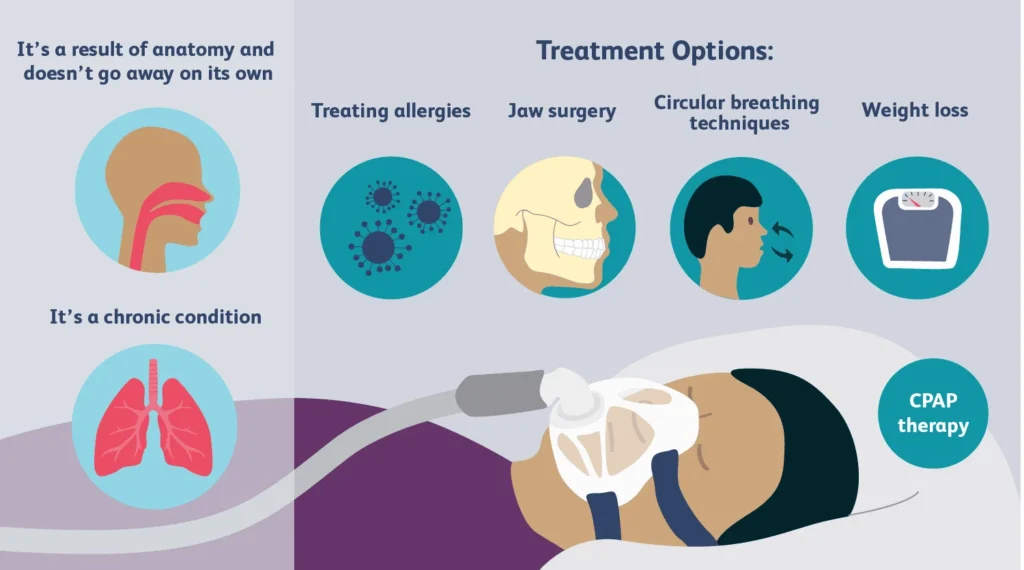
Snoring can be a nuisance, but it can also be a clue. Medical sources commonly note that obstructive sleep apnea involves repeated breathing disruptions during sleep and is associated with symptoms like loud snoring, choking or gasping, and daytime fatigue. If any of that sounds familiar, don’t treat it like a joke.
If you want a quick read on the bigger health conversation, see this related coverage: Sleep Apnea and Your Heart: Why Snoring Isn’t Just a Nuisance – NewYork-Presbyterian.
Timing: when to act (and when to escalate)
Timing matters because snoring isn’t equally bad every night. Most people have “amplifiers” that stack up.
Act this week if sleep quality is sliding
Do something now if snoring is triggering arguments, separate sleeping, or daytime brain fog. Those are quality-of-life alarms. Fixing sleep often improves everything else you’re trying to do.
Escalate sooner if you see red flags
Don’t wait months if you have any of these:
- Witnessed breathing pauses
- Choking or gasping at night
- Severe daytime sleepiness
- Morning headaches
- High blood pressure concerns or heart-risk conversations with your clinician
Self-help tools can still play a role, but screening matters when apnea is possible.
Use “travel weeks” as a diagnostic window
Travel fatigue makes snoring louder for many people. Dry hotel air, alcohol at dinners, and back-sleeping can all pile on. If snoring spikes only on the road, your fix might be simpler than you think.
Supplies: what you actually need (skip the gadget pile)
You don’t need a lab setup. Start with basics that create clarity:
- A 7-night note: bedtime, wake time, alcohol, congestion, sleep position, and how you felt the next day.
- A simple snore check: a phone audio recording or a partner’s quick rating (quiet / moderate / loud).
- Nasal support if needed: saline rinse or strips can help if congestion is driving mouth-breathing.
- An anti-snoring tool you can tolerate: for many, that’s a mouthpiece designed for snoring.
Sleep tech can be useful, but it also creates noise. If your tracker says you slept “great” while you feel awful, trust your body and your symptoms.
Step-by-step (ICI): Identify → Choose → Implement
This is the fastest way to make progress without guessing.
1) Identify your likely snoring pattern
Use your 7-night note to spot your pattern:
- Position-driven: worse on your back, better on your side.
- Congestion-driven: worse with allergies, colds, or dry air.
- Jaw/tongue relaxation: worse after alcohol or when overtired.
If the pattern is unclear, that’s still useful. It means you should prioritize screening if symptoms are significant.
2) Choose a tool that matches the pattern
Here’s the trend reality check people are debating right now:
- Mouth taping: It’s popular because it’s cheap and “biohack-y.” It’s not a universal fix, and it can be a bad idea if your nose is blocked or if you might have sleep apnea. Keep it in the “ask first” category.
- Wearables and connected devices: Great for awareness. They don’t replace a proper evaluation. Some newer oral appliances are being discussed alongside connected care ideas, which shows where the market is headed.
- Anti snoring mouthpiece: Often considered when snoring seems linked to jaw position or airway narrowing during sleep. The big test is comfort and consistency.
If you’re researching mouthpieces, start here: anti snoring mouthpiece.
3) Implement like a minimalist (two-week sprint)
Give your plan a fair trial. Keep it simple for 14 nights:
- Pick one primary change (example: mouthpiece use) and one support change (example: side-sleeping).
- Keep bedtime steady within a 60-minute window. Irregular sleep can mimic “bad sleep” symptoms even when snoring improves.
- Track three outcomes: partner report, your morning energy, and any nighttime awakenings.
- Re-check fit and comfort if you choose a mouthpiece. Discomfort kills adherence faster than snoring kills romance.
At the end of two weeks, decide: continue, adjust, or escalate to a clinician for evaluation.
Mistakes: what wastes money (and sleep) fast
Stacking five “sleep hacks” at once
If you change everything, you learn nothing. Also, your sleep becomes a project, which can backfire and increase anxiety at bedtime.
Ignoring daytime symptoms
Snoring volume is not the only metric. If you’re fighting sleep at your desk, relying on caffeine all afternoon, or feeling unsafe driving, treat that as urgent.
Assuming a relationship problem is a relationship problem
A lot of snoring humor is really sleep deprivation in disguise. Separate bedrooms can be a smart short-term move, but it’s not a treatment plan.
Forcing a trend that doesn’t fit your body
If you can’t breathe well through your nose, mouth-taping is not a “willpower” challenge. If a mouthpiece hurts, that’s not “normal adjustment” forever either. Comfort is part of effectiveness.
FAQ: quick answers people want right now
Medical note: This article is for general education and does not replace medical advice. If you suspect sleep apnea or have significant symptoms, consult a qualified clinician for evaluation and treatment options.
Next step: make the choice that’s easiest to repeat
You don’t need perfect sleep. You need better sleep you can sustain.