
Before you try another sleep fix, run this checklist.
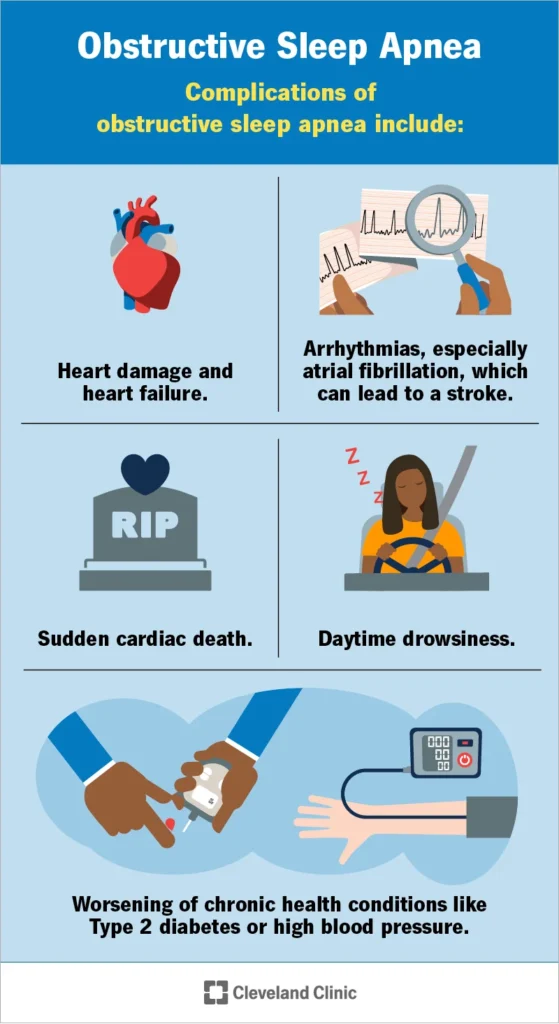
- Screen first: Are there signs of sleep apnea (breathing pauses, gasping, severe daytime sleepiness)?
- Know your goal: Less snoring noise, better sleep quality, or both?
- Pick the right tool: Mouthpiece, nasal support, positional changes, or a clinician-led plan.
- Protect comfort: Jaw pain and poor fit are the fastest way to quit.
- Document what you try: Simple notes reduce wasted money and reduce risk from random “sleep gadget hopping.”
Snoring is having a cultural moment again. People are swapping stories about smart rings, white-noise machines, mouth tape, and “travel fatigue” recovery kits. Add workplace burnout and the classic relationship joke—“I love you, but your snoring is committing crimes”—and you get one big trend: everyone wants better sleep, fast.
Here’s the practical middle ground. An anti snoring mouthpiece can be a reasonable option for the right person, but it’s not a one-size solution. Use the questions below to decide what to do next without guessing.
Could my snoring be more than “just snoring”?
Snoring can be harmless noise. It can also be a clue that airflow is getting restricted during sleep. That’s why so many recent health pieces emphasize “start tonight” steps and smart screening.
Red flags that deserve medical attention
- Someone notices breathing pauses, choking, or gasping
- You wake up unrefreshed despite enough time in bed
- Morning headaches, dry mouth, or frequent nighttime bathroom trips
- High sleepiness while driving or during meetings
If those sound familiar, don’t rely on a gadget alone. Consider talking with a clinician about evaluation and options. For general context on practical sleep-apnea-focused steps people discuss, see 7 Ways to Help Manage Sleep Apnea, Starting Tonight.
What’s the fastest way to improve sleep quality while you troubleshoot snoring?
When people feel run down—after work travel, a stressful quarter at the office, or a week of short nights—they often chase the newest sleep gadget. A simpler approach is to stabilize the basics first. It makes every other intervention easier to judge.
Quick wins that pair well with mouthpieces
- Side-sleeping: Many people snore more on their back.
- Alcohol timing: Alcohol close to bedtime can worsen snoring for some.
- Nasal breathing support: If you’re congested, snoring can spike.
- Consistent schedule: A steady sleep window helps your body settle.
Keep it measurable. Track two things for a week: (1) your morning energy and (2) the number of times your partner nudges you. That’s enough data to avoid placebo-by-hype.
How does an anti snoring mouthpiece fit into today’s “sleep health” trend?
Mouthpieces are getting attention because they’re tangible and relatively simple. They also feel like a “do something now” option, which fits the current vibe around sleep optimization.
Most anti-snoring mouthpieces fall into two broad categories:
- Mandibular advancement style: Gently positions the lower jaw forward to help keep the airway more open.
- Tongue-stabilizing style: Aims to keep the tongue from falling back.
In parallel, you may have seen headlines about research teams testing new anti-snoring devices in clinical settings. That’s a good sign for innovation, but it doesn’t mean every product online is right for you. Your best move is still: match the tool to your pattern and tolerance.
Which mouthpiece features matter most (and what’s just marketing)?
Ignore the buzzwords and focus on what affects real-world use: comfort, fit, and consistency. If you can’t wear it, it can’t help.
Look for practical design details
- Adjustability: Small changes can reduce jaw strain.
- Breathing room: If you sometimes breathe through your mouth, you’ll want a design that doesn’t feel suffocating.
- Material and edges: Rough edges can irritate gums.
- Cleaning simplicity: The harder it is to clean, the more often people “skip it.”
Safety and screening: reduce risk, reduce regret
- Dental status matters: Loose teeth, gum disease, or major jaw issues can change what’s safe.
- Start low, go slow: Over-advancing the jaw quickly can cause soreness.
- Stop if pain persists: Pain is a signal, not a challenge.
Simple documentation tip: Write down the date you started, the setting/fit you used, and any jaw or tooth symptoms. If you ever need dental or medical help, this reduces confusion and improves the conversation.
What if my partner is the one pushing for a fix?
That dynamic is common. Snoring turns into a relationship issue fast, especially when one person is running on fumes. Try making it a shared experiment instead of a nightly argument.
A low-drama plan for couples
- Agree on a two-week trial window for one change at a time.
- Use a simple “snore score” (0–3) each morning.
- Keep humor, lose blame. The goal is sleep, not winning.
What product option makes sense if I want a mouthpiece approach?
If you’re exploring mouthpiece-based solutions, consider options designed to support both jaw position and mouth closure for people who struggle with open-mouth breathing. One example is an anti snoring mouthpiece.
Whatever you choose, prioritize comfort and a return policy. “Best” lists are useful for narrowing choices, but your anatomy and tolerance decide the winner.
FAQ: quick answers people are asking right now
Is an anti snoring mouthpiece the same as a CPAP?
No. A mouthpiece may reduce snoring for some people, while CPAP is a medical therapy often used for diagnosed sleep apnea.
How do I know if my snoring could be sleep apnea?
Look for breathing pauses, gasping, and major daytime sleepiness. If you see them, talk to a clinician.
Do boil-and-bite mouthpieces work?
They can for some users, but fit and comfort vary a lot. Poor fit is a common failure point.
Can a mouthpiece damage my teeth or jaw?
Some people get jaw soreness or tooth discomfort. Stop if symptoms persist and get professional guidance.
What else can I do tonight to improve sleep quality?
Try side sleeping, avoid late alcohol, address nasal congestion, and keep a consistent bedtime.
Ready to stop guessing and start testing?
Pick one change, track it for a week, then decide. That’s how you avoid buying five sleep gadgets and using none of them.
How do anti-snoring mouthpieces work?
Medical disclaimer: This article is for general education only and is not medical advice. Snoring can be a symptom of sleep apnea or other health conditions. If you have choking/gasping, breathing pauses, severe daytime sleepiness, chest pain, or persistent symptoms, seek evaluation from a qualified clinician.