
Breaking Down the Myths of CPAP Therapy for Snoring
Snoring is a common problem that affects millions of people worldwide. It is not only disruptive to the person snoring but also to their bed partner and can lead to poor sleep quality. While there are various treatments available for snoring, one of the most commonly recommended options is CPAP (Continuous Positive Airway Pressure) therapy. However, this treatment is often surrounded by myths and misconceptions that may prevent people from giving it a try. In this blog post, we will break down these myths and provide a clear understanding of CPAP therapy for snoring.
Myth #1: CPAP therapy is uncomfortable and difficult to use.
One of the most common myths surrounding CPAP therapy is that it is uncomfortable and difficult to use. Many people believe that wearing a mask and having air pressure forced into their airways can be claustrophobic and uncomfortable. However, with advancements in technology, CPAP machines and masks have become more lightweight, quiet, and comfortable to use. Additionally, most machines come with adjustable settings, allowing users to find the right level of air pressure that suits their needs. With proper fitting and adjustments, CPAP therapy can be a comfortable and effective treatment for snoring.
Myth #2: CPAP therapy is only for severe sleep apnea.
CPAP therapy is often associated with sleep apnea, a disorder where breathing repeatedly stops and starts during sleep. While it is an effective treatment for sleep apnea, CPAP therapy is also recommended for snoring. Snoring occurs when the airway is partially blocked, causing vibrations that result in the familiar snoring sound. CPAP therapy helps keep the airway open, preventing snoring and improving sleep quality. It is not just for severe sleep apnea but can also be used for mild to moderate cases of snoring.
Myth #3: CPAP therapy is only for older people.
Another myth surrounding CPAP therapy is that it is only for older people. While snoring and sleep apnea are more common in older adults, they can affect people of any age. In fact, many young adults and even children can also suffer from snoring and sleep apnea. As such, CPAP therapy can be recommended for people of all ages, depending on the severity of their snoring or sleep apnea. It is essential to consult a doctor to determine the best treatment plan for individual cases.
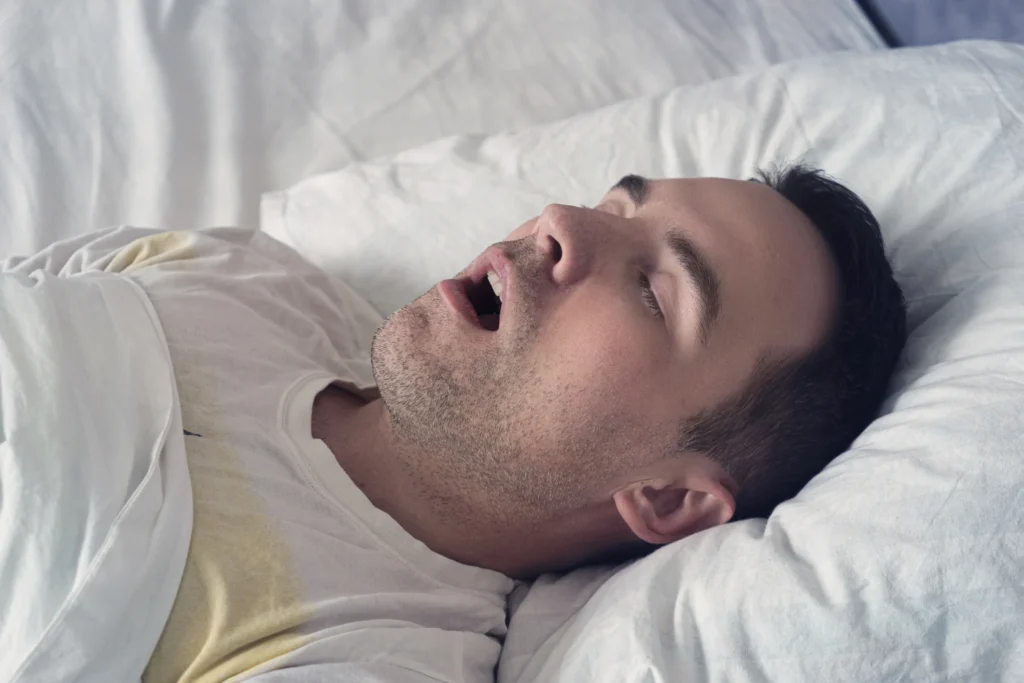
Breaking Down the Myths of CPAP Therapy for Snoring
Myth #4: CPAP therapy is only for men.
It is a common misconception that snoring and sleep apnea only affect men. However, research shows that women are also susceptible to these conditions, and CPAP therapy can be an effective treatment for them as well. In fact, snoring and sleep apnea can be more severe in women due to factors such as hormonal changes, pregnancy, and menopause. Therefore, it is crucial to break the myth that CPAP therapy is only for men and encourage women to seek treatment if they are experiencing snoring or sleep apnea.
Myth #5: CPAP therapy is a quick fix for snoring.
While CPAP therapy can provide immediate relief for snoring, it is not a quick fix. It is a long-term treatment that requires consistent and regular use to be effective. Many people give up on CPAP therapy because they do not see immediate results or feel uncomfortable with the treatment. However, with patience and commitment, CPAP therapy can significantly reduce snoring and improve sleep quality. It is essential to understand that it may take some time to get used to the treatment, and adjustments may be needed to find the right fit for each individual.
Myth #6: CPAP therapy is expensive and not covered by insurance.
There is a common belief that CPAP therapy is expensive and not covered by insurance. While it is true that CPAP machines and masks can be costly, they are often covered by insurance. Many insurance plans cover all or part of the cost of CPAP therapy for sleep apnea and snoring. It is vital to check with your insurance provider to determine your coverage and options for affordable CPAP therapy. Additionally, there are also programs available that offer financial assistance for those who cannot afford CPAP therapy.
Myth #7: CPAP therapy is not effective.
There is a misconception that CPAP therapy is not an effective treatment for snoring and sleep apnea. However, research has shown that CPAP therapy is highly effective in reducing snoring and improving sleep quality. In fact, it is considered the gold standard for treating sleep apnea. If used consistently and correctly, CPAP therapy can significantly improve the quality of life for those suffering from snoring and sleep apnea.
In summary, CPAP therapy is a safe, effective, and non-invasive treatment for snoring and sleep apnea. Many of the myths surrounding it are not true, and it is essential to break these misconceptions to encourage people to seek treatment for their snoring. With advancements in technology and various options available, CPAP therapy has become more comfortable, affordable, and accessible. If you or a loved one is struggling with snoring or sleep apnea, consult a doctor and consider CPAP therapy as a potential solution.