
Breaking the Cycle: 50 Ways to Stop Snoring and Sleepwalking
Snoring and sleepwalking are two common sleep disorders that can greatly disrupt an individual’s quality of sleep, as well as the sleep of those around them. These issues can lead to fatigue, irritability, and other health problems if left untreated. Fortunately, there are many ways to break the cycle of snoring and sleepwalking and improve your sleep habits. In this blog post, we will explore 50 effective ways to stop snoring and sleepwalking and get a better night’s rest.
1. Understand the Causes
Before we dive into ways to stop snoring and sleepwalking, it’s important to understand the underlying causes of these sleep disorders. Snoring is often caused by a blocked airway, while sleepwalking can be triggered by stress, sleep deprivation, or other medical conditions. Identifying the root cause of your snoring and sleepwalking can help you find the most effective solution.
2. Keep a Sleep Journal
Keeping a sleep journal can help you track your sleep patterns and identify any triggers for snoring and sleepwalking. Make note of what time you go to bed, how long it takes you to fall asleep, and any factors that may have affected your sleep, such as stress or alcohol consumption.
3. Establish a Consistent Sleep Schedule
Maintaining a consistent sleep schedule can help regulate your body’s internal clock and improve your sleep quality. Try to go to bed and wake up at the same time each day, even on weekends.
4. Create a Relaxing Sleep Environment
Your sleep environment can greatly impact your ability to sleep soundly. Keep your bedroom cool, dark, and quiet to promote relaxation and reduce the likelihood of snoring and sleepwalking.
5. Invest in a Quality Mattress and Pillow
A comfortable and supportive mattress and pillow can make a world of difference in your sleep quality. Invest in high-quality bedding that suits your individual needs and preferences.
6. Elevate Your Head
Elevating your head while sleeping can help keep your airway open and reduce snoring. You can achieve this by using an extra pillow or investing in an adjustable bed frame.
7. Use Nasal Strips
Nasal strips are adhesive strips that are placed on the nose to help open up the nasal passages and improve airflow. They can be particularly helpful for those who snore due to nasal congestion.
8. Try a Humidifier
Dry air can irritate the throat and nasal passages, leading to snoring. Using a humidifier can add moisture to the air and help reduce snoring.
9. Avoid Alcohol and Sedatives Before Bed
Alcohol and sedatives can relax the muscles in the throat and increase the likelihood of snoring and sleepwalking. Avoid consuming these substances before bedtime.
10. Quit Smoking
Smoking can irritate the throat and cause inflammation, leading to snoring. Quitting smoking can not only improve your overall health but also reduce snoring.
11. Lose Excess Weight
Being overweight can contribute to snoring by narrowing the airway. Losing excess weight can help reduce snoring and improve overall health.
12. Exercise Regularly
Regular exercise can help improve your overall health and promote better sleep. It can also reduce snoring by strengthening the muscles in the throat and reducing excess weight.
13. Try Yoga or Meditation
Yoga and meditation can promote relaxation and reduce stress, which can be a trigger for sleepwalking. Incorporating these practices into your daily routine can help improve sleep quality.
14. Avoid Heavy Meals Before Bed
Eating a heavy meal close to bedtime can cause discomfort and disrupt sleep. It can also increase the likelihood of snoring and sleepwalking. Try to eat at least two hours before going to bed.
15. Limit Caffeine and Spicy Foods
Caffeine and spicy foods can irritate the stomach and cause acid reflux, which can disrupt sleep and lead to snoring. Limit your intake of these substances in the evening.
16. Use Essential Oils
Certain essential oils, such as lavender and peppermint, have calming and soothing properties that can promote relaxation and improve sleep quality. Try diffusing these oils in your bedroom or using them in a bath before bedtime.
17. Try Herbal Remedies
Herbal remedies, such as valerian root and chamomile, have been used for centuries to promote relaxation and improve sleep. Consult with a healthcare professional before trying any herbal remedies.
18. Consider Acupuncture
Acupuncture has been shown to help improve sleep quality and reduce snoring. This ancient Chinese practice involves inserting thin needles into specific points on the body to promote balance and healing.
19. Use White Noise
White noise, such as a fan or a white noise machine, can help drown out external noises and promote relaxation. It can also reduce the likelihood of sleepwalking by helping you stay in a deeper sleep.
20. Practice Good Sleep Hygiene
Good sleep hygiene refers to healthy habits and routines that promote better sleep. This includes avoiding screens before bed, establishing a bedtime routine, and creating a comfortable sleep environment.
21. Seek Medical Treatment
Breaking the Cycle: 50 Ways to Stop Snoring and Sleepwalking
If your snoring and sleepwalking are severe or persistent, it’s important to seek medical treatment. A doctor can help identify any underlying medical conditions and provide appropriate treatment.
22. Get Tested for Sleep Apnea
Sleep apnea is a serious sleep disorder in which breathing repeatedly stops and starts during sleep. It can contribute to snoring and sleepwalking and can have serious health consequences if left untreated.
23. Use a Continuous Positive Airway Pressure (CPAP) Machine
A CPAP machine is the most common treatment for sleep apnea. It delivers a steady stream of air through a mask worn over the nose or mouth, keeping the airway open and reducing snoring.
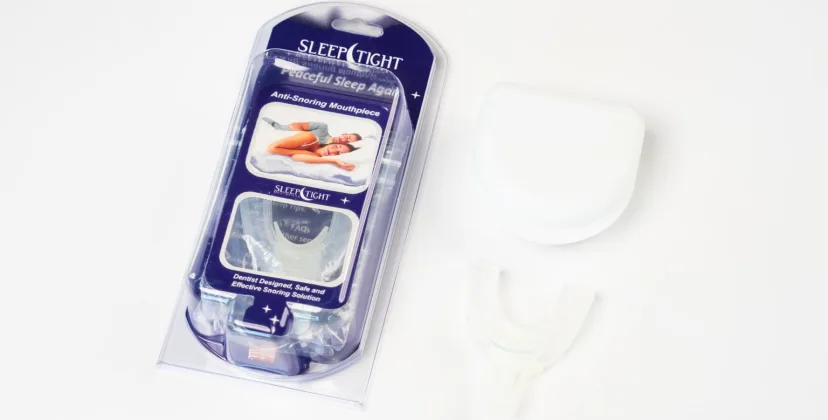
24. Try Oral Appliances
Oral appliances, such as mouthguards, can help keep the airway open and reduce snoring. They are often used as an alternative treatment for sleep apnea or in cases of mild to moderate snoring.
25. Consider Surgery
In some cases, surgery may be recommended to treat snoring and sleepwalking. This may involve removing excess tissue from the throat or correcting structural issues in the nose or throat.
26. Use a Jaw Supporter
A jaw supporter is a device that wraps around the head and supports the jaw to keep the airway open. It can be particularly helpful for those who snore due to a relaxed jaw during sleep.
27. Try Tongue Retaining Devices
Tongue retaining devices are similar to mouthguards but are designed to hold the tongue in place and prevent it from blocking the airway. They can be beneficial for those who snore due to a large tongue.
28. Use a Chin Strap
A chin strap is a device that wraps around the head and holds the jaw in place to prevent the mouth from falling open during sleep. This can help reduce snoring caused by mouth breathing.
29. Consider Nasal Dilators
Nasal dilators are small devices that are inserted into the nostrils to help keep the nasal passages open and improve airflow. They can be helpful for those who snore due to nasal congestion.
30. Try a Tongue Stabilizing Device
A tongue stabilizing device is a small suction cup that is placed on the tongue and helps keep it in place during sleep. This can be beneficial for those who snore due to a relaxed tongue.
31. Use a Throat Spray
Throat sprays can help lubricate the throat and reduce irritation, which can contribute to snoring. Look for sprays that contain natural ingredients such as peppermint or eucalyptus.
32. Use Nasal Irrigation
Nasal irrigation involves flushing out the nasal passages with a saline solution. This can help clear out any mucus or irritants and improve airflow, reducing snoring.
33. Consult with a Dentist
A dentist can provide specialized treatment for snoring and sleep apnea, such as oral appliances or surgery. They can also help identify any structural issues in the mouth that may contribute to snoring.
34. Practice Breathing Exercises
Breathing exercises, such as pranayama, can help improve respiratory function and reduce snoring. They can also promote relaxation and improve overall sleep quality.
35. Try Therapeutic Pillows
Therapeutic pillows are designed to promote proper alignment of the head, neck, and spine. This can help reduce snoring and improve sleep quality.
36. Use a Weighted Blanket
Weighted blankets provide gentle pressure that can promote relaxation and reduce anxiety. This can be particularly helpful for those who sleepwalk due to stress or anxiety.
37. Consult with a Sleep Specialist
If your snoring and sleepwalking are persistent and affecting your daily life, consult with a sleep specialist. They can help identify the underlying cause and provide personalized treatment options.
38. Practice Good Posture
Poor posture can lead to breathing difficulties and contribute to snoring. Make an effort to maintain good posture throughout the day, especially when sitting or standing for long periods.
39. Avoid Sleeping on Your Back
Sleeping on your back can cause your tongue and soft palate to collapse onto the back of your throat, leading to snoring. Try sleeping on your side instead to keep your airway open.
40. Use a Body Pillow
A body pillow can help keep your body in a side-sleeping position and prevent you from rolling onto your back during sleep. This can be beneficial for reducing snoring.
41. Try Side-Sleeping Devices
Side-sleeping devices, such as special pillows or vests, can help keep you in a side-sleeping position and prevent you from rolling onto your back. This can reduce snoring caused by sleeping on your back.
42. Address Allergies
Allergies can cause nasal congestion and inflammation, leading to snoring. Addressing allergies through