
Blog Post: Breathe Better, Sleep Better: The Connection Between Nasal Passages and Snoring
Snoring is a common issue that affects millions of people every night. It can disrupt sleep for both the snorer and their partner, leading to fatigue, irritability, and even health problems. While there are many factors that can contribute to snoring, one often overlooked aspect is the connection between nasal passages and snoring.
In order to understand this connection, it’s important to first understand the function of the nasal passages. The nose is responsible for filtering, warming, and moisturizing the air we breathe before it reaches the lungs. It also helps to regulate the flow of air and control the amount of pressure in the lungs. When the nasal passages are obstructed or compromised, it can lead to snoring.
One of the main causes of snoring is nasal congestion. When the nasal passages are congested, the air has a harder time flowing through, resulting in vibrations that cause the loud snoring sound. This congestion can be caused by allergies, sinus infections, or even the common cold. It can also be a result of structural issues such as a deviated septum or enlarged turbinates, which are small structures inside the nose that help with air flow. These structural issues can make it difficult for air to pass through freely, leading to snoring.
Another common cause of snoring is nasal polyps. These are small growths that can develop in the nasal passages, obstructing the flow of air and causing snoring. While they are usually benign, they can still cause significant problems with breathing and sleeping.
So, how can you tell if your snoring is related to your nasal passages? If you experience congestion, sinus pressure, or difficulty breathing through your nose during the day, it’s likely that your snoring is caused by a nasal issue. You may also notice that your snoring is worse when you have a cold or allergies.
Fortunately, there are ways to improve nasal breathing and reduce snoring. The first step is to identify the cause of your nasal congestion. If it’s due to allergies, taking an antihistamine or using a nasal spray can help. If it’s a structural issue, such as a deviated septum, surgery may be necessary to correct it. In some cases, nasal polyps may also need to be removed surgically.
Breathe Better, Sleep Better: The Connection Between Nasal Passages and Snoring
Nasal breathing exercises can also be helpful in improving snoring. These exercises involve using specific techniques to strengthen the muscles in your nose and throat, making it easier for air to flow through. One simple exercise is to press your tongue to the roof of your mouth and then slide it back towards your throat. This can help to open up the airway and reduce snoring.
Using a nasal dilator can also be effective in reducing snoring. These are small devices that are inserted into the nostrils to keep them open and improve air flow. They are often used by athletes to improve breathing during exercise, but they can also be helpful for snorers.
In addition to addressing any underlying nasal issues, there are some lifestyle changes you can make to improve nasal breathing and reduce snoring. These include avoiding alcohol before bed, as it can cause the muscles in your throat to relax and lead to snoring. Maintaining a healthy weight can also help, as excess weight can put pressure on the airway and contribute to snoring.
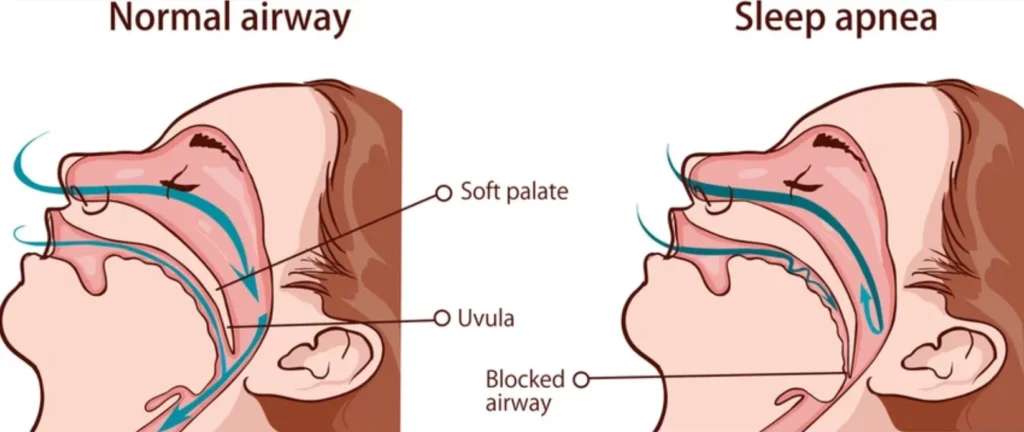
If you sleep on your back, try switching to your side or using a body pillow to keep you in that position. Sleeping on your back can cause the tongue and soft tissues in the back of the throat to collapse, obstructing the airway and causing snoring.
In some cases, snoring may also be a symptom of a more serious condition called sleep apnea. This is a disorder in which breathing repeatedly stops and starts during sleep. It can lead to serious health problems if left untreated. If you suspect you may have sleep apnea, it’s important to consult a doctor for proper diagnosis and treatment.
In conclusion, the connection between nasal passages and snoring is a crucial one. Nasal congestion, structural issues, and other factors can all contribute to snoring by obstructing the flow of air. By addressing these issues and making lifestyle changes, you can improve nasal breathing and reduce snoring for a better night’s sleep.
Summary:
Snoring is a common problem that can disrupt sleep and lead to various health issues. One often overlooked aspect is the connection between nasal passages and snoring. When the nasal passages are obstructed or compromised, it can lead to snoring. Causes of nasal congestion include allergies, sinus infections, and structural issues. Nasal breathing exercises, nasal dilators, and lifestyle changes can help improve nasal breathing and reduce snoring. However, if snoring is accompanied by other symptoms, it may be a sign of sleep apnea and should be evaluated by a doctor.