
Breathe Better, Sleep Soundly: 30 Exercises for Snoring Relief
Snoring is a common problem that affects people of all ages and can disrupt not only the snorer’s sleep but also that of their partner. It occurs when the airway is partially blocked, causing vibrations in the throat that produce the loud, often unpleasant sound we know as snoring. Not only can snoring lead to poor sleep quality, but it can also be a sign of a more serious underlying health issue. Fortunately, there are exercises that can help alleviate snoring and promote better breathing, leading to a more restful night’s sleep. In this blog post, we will explore 30 exercises for snoring relief that can help you breathe better and sleep soundly.
1. Jaw Exercises
One of the main causes of snoring is the relaxation of the jaw during sleep, which can cause the tongue to fall back and block the airway. To combat this, try jaw exercises such as opening and closing your mouth while pressing your tongue to the roof of your mouth. This will help strengthen the muscles in your jaw and keep it from falling back during sleep.
2. Tongue Exercises
Another common cause of snoring is a weak tongue, which can also fall back and block the airway. To strengthen your tongue, try holding it against the roof of your mouth for a few seconds and then relaxing it. Repeat this exercise several times a day to see results.
3. Throat Exercises
Exercises that target the muscles in your throat can also be effective in reducing snoring. One simple exercise is to sing or hum for a few minutes each day. This will help strengthen and tone the muscles in your throat, making them less likely to collapse during sleep.
4. Soft Palate Exercises
The soft palate is the fleshy tissue at the back of the roof of your mouth. When it becomes too relaxed, it can block the airway and cause snoring. To strengthen the soft palate, try saying the vowels (A, E, I, O, U) out loud for a few minutes each day. This will help to tighten the muscles and prevent them from vibrating during sleep.
5. Nasal Breathing Exercises
Nasal breathing exercises can help open up the nasal passages and make breathing easier, reducing snoring. One exercise involves inhaling deeply through your nose and then exhaling slowly through your mouth. Repeat this exercise several times a day to improve nasal breathing and reduce snoring.
6. Tongue Slide Exercises
This exercise involves sticking your tongue out as far as possible and then sliding it back into your mouth. Repeat this exercise several times a day to strengthen the muscles in your tongue and prevent it from falling back and blocking the airway during sleep.
7. Side Sleeping
Many people tend to snore more when they sleep on their back, as this can cause the tongue to fall back and block the airway. Sleeping on your side can help keep the airway open and reduce snoring. You can also try using a body pillow to keep you in a side-sleeping position throughout the night.
8. Weight Loss
Being overweight can contribute to snoring as excess fat around the neck can put pressure on the airway, making it more likely to collapse during sleep. Losing weight can help reduce snoring and improve overall health.
9. Avoid Alcohol and Sedatives
Alcohol and sedatives can relax the muscles in the throat, making it more likely for them to collapse and cause snoring. Avoiding these substances before bedtime can help reduce snoring and promote better sleep.
10. Quit Smoking
Smoking can irritate the lining of the throat and cause inflammation, leading to snoring. Quitting smoking can not only improve snoring but also overall health and well-being.
11. Use a Humidifier
Dry air can irritate the nasal passages and throat, making it more difficult to breathe. Using a humidifier in your bedroom can help keep the air moist and reduce snoring.
12. Stay Hydrated
Dehydration can also contribute to snoring as it can cause the nasal passages and throat to become dry and irritated. Make sure to drink plenty of water throughout the day to keep your airways hydrated and reduce snoring.
13. Nasal Strips
Nasal strips are adhesive strips that are placed on the nose to help open up the nasal passages and improve breathing. They can be an effective solution for snorers who have trouble breathing through their nose.
14. Nasal Dilators
Similar to nasal strips, nasal dilators are small devices that are inserted into the nostrils to help open up the nasal passages and improve breathing. They can be a helpful tool for those who have trouble breathing through their nose.
Breathe Better, Sleep Soundly: 30 Exercises for Snoring Relief
15. Oral Devices
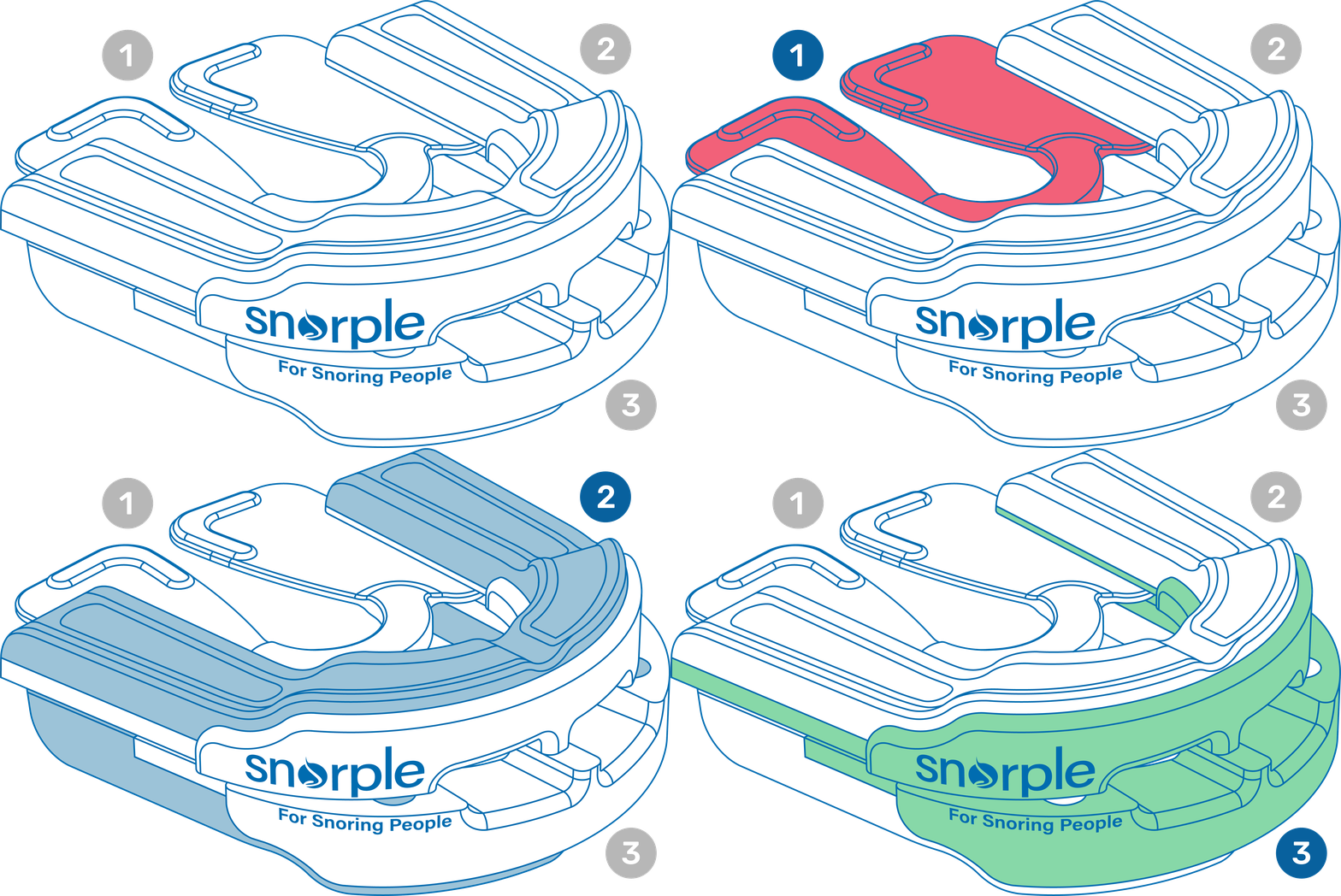
Oral devices, also known as mandibular advancement devices, are worn in the mouth during sleep and work by pushing the jaw forward to keep the airway open. They can be an effective solution for snorers with a mild to moderate case of sleep apnea.
16. Continuous Positive Airway Pressure (CPAP)
CPAP is a common treatment for sleep apnea, a serious condition that can cause snoring. It involves wearing a mask over the nose and mouth that delivers a continuous flow of air to keep the airway open during sleep.
17. Throat Sprays
Throat sprays can help reduce snoring by lubricating the throat and reducing inflammation, making it easier to breathe. They can be a helpful temporary solution for snorers.
18. Essential Oils
Certain essential oils, such as peppermint and eucalyptus, have anti-inflammatory properties that can help reduce snoring. You can try diffusing these oils in your bedroom or adding a few drops to a warm bath before bedtime.
19. Acupuncture
Acupuncture involves the insertion of thin needles into specific points on the body to promote relaxation and improve overall health. It can also be beneficial in reducing snoring by targeting the muscles and tissues in the throat.
20. Yoga
Yoga is a form of exercise that focuses on breathing techniques and relaxation. Certain poses and breathing exercises can help open up the airway and reduce snoring.
21. Singing Bowl Therapy
Singing bowls are a type of instrument that produces soothing sounds when struck. This therapy can help reduce snoring by promoting relaxation and reducing tension in the throat muscles.
22. Throat Exercises with Props
Using props such as a straw or a balloon can make throat exercises more effective by adding resistance and strengthening the muscles even further. This can be especially helpful for those with severe snoring issues.
23. Meditation
Meditation can help reduce stress and promote relaxation, which can be beneficial for snorers. It can also improve sleep quality and reduce snoring caused by tension and anxiety.
24. Hypnosis
Hypnosis can be used to retrain the mind to stop snoring by addressing any underlying issues that may be causing it, such as stress or poor sleep habits.
25. Cognitive Behavioral Therapy (CBT)
CBT can help identify and change negative thoughts and behaviors that may contribute to snoring. It can also address any underlying issues that may be causing snoring, such as anxiety or stress.
26. White Noise Machines
White noise machines can help mask the sound of snoring and promote better sleep for both the snorer and their partner. They produce a consistent, soothing sound that can help drown out any disruptive noises.
27. Sleep Positioning Devices
There are various devices on the market that can help keep you in a specific sleep position to reduce snoring. These include anti-snore pillows, chin straps, and positional therapy devices.
28. Surgery
In some cases, surgery may be recommended as a last resort to address snoring. This can involve procedures such as removing excess tissue in the throat or correcting a deviated septum.
29. Sound Therapy
Sound therapy involves listening to specific sounds or frequencies to promote relaxation and improve sleep. It can also be used to reduce snoring by targeting the muscles and tissues in the throat.
30. Consult a Doctor
If snoring persists and is affecting your sleep quality and overall health, it is important to consult a doctor. They can help identify any underlying issues and provide personalized solutions to help reduce snoring.
In conclusion, snoring can be a frustrating and disruptive issue, but there are many exercises and techniques that can help alleviate it. By incorporating these exercises into your daily routine, you can strengthen the muscles in your throat, open up your airway, and promote better breathing and sleep. Remember to also maintain a healthy lifestyle and consult a doctor if snoring persists. With these tips and exercises, you can breathe better and sleep soundly without the disruptive sound of snoring.