
Blog Post:
We all know how frustrating it can be to try and sleep in a room with a snorer. The constant noise can disrupt our sleep and leave us feeling exhausted the next day. Not to mention, it can also affect the snorer’s health and well-being. That’s why it’s important to find ways to breathe better and snore less. Thankfully, there are simple exercises that can help improve breathing and reduce snoring, leading to a quieter bedroom and better sleep for everyone. In this blog post, we’ll discuss 30 exercises that can help you and your partner breathe better and snore less, creating a more peaceful and restful sleep environment.
1. Tongue and Throat Exercises:
One of the main causes of snoring is a weak tongue and throat muscles. These exercises can help strengthen them, reducing snoring. The first exercise is to press your tongue to the roof of your mouth and hold it for a count of five, then relax. Repeat this exercise 10 times. The second exercise is to stick your tongue out as far as you can and hold for five seconds, then relax. Repeat this 10 times as well.
2. Jaw Exercises:
A tense jaw can also contribute to snoring. To relax your jaw muscles, start by opening your mouth as wide as you can and hold for five seconds, then relax. Repeat this 10 times. The next exercise is to move your jaw from side to side, slowly and smoothly, for 10 repetitions.
3. Lip Exercises:
Exercising your lips can also help with snoring. Start by puckering your lips and hold for five seconds, then relax. Repeat this 10 times. The next exercise is to smile as wide as you can and hold for five seconds, then relax. Repeat this 10 times as well.
4. Neck and Shoulder Exercises:
Tension in the neck and shoulders can also contribute to snoring. To relax these muscles, start by rolling your shoulders forward and backward for 10 repetitions. Then, tilt your head to one side and hold for five seconds, then to the other side. Repeat this 10 times.
5. Breathing Exercises:
Proper breathing can also impact snoring. One exercise to try is deep breathing, where you inhale for four seconds, hold for two seconds, and exhale for four seconds. Repeat this 10 times. Another exercise is to take deep breaths through your nose and slowly exhale through your mouth for 10 repetitions.
6. Humming Exercises:
Humming can help strengthen the muscles in your throat and reduce snoring. To do this exercise, close your mouth and hum for a count of five, then relax. Repeat this 10 times.
7. Mouth and Nose Exercises:
Sometimes, the position of our mouth and nose can contribute to snoring. To help with this, try holding a pencil between your teeth for a few minutes each day. This will help keep your mouth in a more closed position while you sleep. You can also use nasal strips to open your nasal passages and improve airflow.
8. Side Sleeping:
Sleeping on your back can make snoring worse, so try sleeping on your side instead. You can use pillows to prop yourself up and prevent yourself from rolling onto your back while you sleep.
9. Throat Sprays and Oils:
There are also natural remedies, such as throat sprays and essential oils, that can help reduce snoring. These can lubricate the throat and reduce congestion, making it easier to breathe while sleeping.
10. Weight Loss:
Excess weight can put pressure on your airways and cause snoring. By maintaining a healthy weight, you can reduce snoring and improve your overall health.
11. Avoid Alcohol and Smoking:
Both alcohol and smoking can relax the muscles in your throat, leading to snoring. Try to limit or avoid these substances, especially close to bedtime.
12. Stay Hydrated:
Dehydration can lead to congestion and make snoring worse. Make sure to drink plenty of water throughout the day to keep your airways clear.
13. Nasal Irrigation:
Using a saline solution to rinse out your nasal passages can help reduce congestion and improve your breathing.
14. Throat Exercises with a Straw:
This exercise involves placing a straw between your lips and blowing air through it. This can help strengthen the muscles in your throat and reduce snoring.
15. Yoga and Meditation:
Practicing yoga and meditation can help improve overall breathing and relaxation, reducing snoring.
Breathe Better, Snore Less: 30 Exercises for a Quieter Bedroom
16. Singing:
Singing can also help strengthen throat muscles and improve breathing. So, go ahead and belt out your favorite tunes to help reduce snoring.
17. Throat and Neck Stretches:
Stretching your throat and neck muscles can help relieve tension and improve breathing. You can try simple stretches, such as tilting your head back and looking at the ceiling, or tilting your head from side to side.
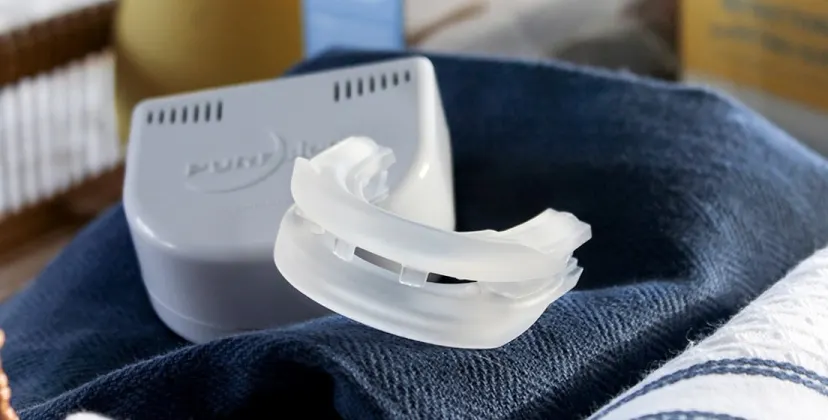
18. Mouth Guard:
For those who snore due to a misaligned jaw or teeth grinding, a mouth guard can help improve breathing and reduce snoring.
19. Sleep Apnea Exercises:
If you have been diagnosed with sleep apnea, there are specific exercises that can help improve breathing and reduce snoring. Consult with your doctor for recommendations.
20. Acupuncture:
Acupuncture is an alternative therapy that has been known to help with snoring by improving overall breathing and relaxation.
21. Hypnosis:
Hypnosis can help you relax and change the habits that contribute to snoring, leading to better sleep and less snoring.
22. Essential Oils:
Certain essential oils, such as eucalyptus and peppermint, can help open up your airways and reduce congestion, leading to less snoring.
23. Soft Palate Exercises:
The soft palate at the back of your mouth can contribute to snoring. You can exercise it by saying “ahh” and holding the sound for a count of five, then relaxing. Repeat this 10 times.
24. Throat Singing:
Throat singing is a traditional form of singing that involves using the muscles in your throat to create a low humming sound. This can help strengthen these muscles and reduce snoring.
25. Relaxation Techniques:
Stress and tension can contribute to snoring. Practicing relaxation techniques such as deep breathing, meditation, and yoga can help reduce snoring by promoting relaxation and better breathing.
26. Facial Exercises:
Facial exercises can help tone the muscles in your face and throat, reducing the chances of snoring.
27. Vocal Cord Exercises:
Vocal cord exercises, such as humming, can help strengthen the muscles in your throat and reduce snoring.
28. Throat Massage:
Massaging the muscles in your throat can help relieve tension and improve breathing, leading to less snoring.
29. Sound Therapy:
Listening to soothing sounds, such as white noise or nature sounds, can help promote relaxation and better sleep, reducing snoring.
30. Consult a Doctor:
If snoring persists despite trying these exercises, it’s essential to consult with a doctor. They can help identify any underlying medical conditions that may be contributing to snoring and provide further recommendations.
Summary:
Snoring can be a significant disturbance in the bedroom, affecting both the snorer and their partner’s sleep. Thankfully, there are simple exercises that can help improve breathing and reduce snoring, leading to a quieter bedroom and better sleep for everyone. These exercises include tongue and throat exercises, jaw and lip exercises, neck and shoulder exercises, breathing exercises, humming exercises, side sleeping, throat sprays and oils, weight loss, avoiding alcohol and smoking, staying hydrated, nasal irrigation, throat exercises with a straw, yoga and meditation, singing, throat and neck stretches, mouth guard, sleep apnea exercises, acupuncture, hypnosis, essential oils, soft palate exercises, throat singing, relaxation techniques, facial exercises, vocal cord exercises, throat massage, sound therapy, and consulting a doctor if snoring persists. By incorporating these exercises into your daily routine, you and your partner can enjoy a quieter and more restful sleep.