
Breathing is an essential function of our bodies, providing us with oxygen and keeping us alive. However, many of us do not pay enough attention to our breathing and may not even realize that we are not breathing efficiently. This can lead to various health issues, including snoring. But fear not, there are simple exercises that can help you breathe better and snore less. In this blog post, we will explore 30 exercises that can improve your breathing and help you get a good night’s sleep.
Firstly, let’s understand why breathing efficiently is crucial for our overall health. When we take shallow breaths, we are not allowing enough oxygen to enter our bodies, which can lead to fatigue, headaches, and even mood swings. On the other hand, deep and controlled breathing can have numerous benefits, such as reducing stress and anxiety, improving digestion, and boosting our immune system. It can also help with snoring, as snoring is often caused by a blockage in the airway due to improper breathing.
Now, let’s dive into the 30 exercises that can improve your breathing and reduce snoring.
1. Diaphragmatic Breathing:
Also known as belly breathing, this exercise involves inhaling through your nose and filling your belly with air, then exhaling through your mouth and pulling your belly button towards your spine. This exercise helps to strengthen the diaphragm and increase lung capacity.
2. Pursed Lip Breathing:
Inhale through your nose and then purse your lips as if you are about to blow out a candle. Slowly exhale through your pursed lips, and this will help to keep your airways open and prevent snoring.
3. Alternate Nostril Breathing:
This yoga breathing technique involves using your fingers to close one nostril while inhaling through the other, then switching and exhaling through the other nostril. This exercise helps to balance the flow of air through both nostrils and can help with snoring caused by a deviated septum.
4. Humming Bee Breath:
Inhale through your nose and then make a humming sound as you exhale through your nose. This exercise helps to relax the muscles in your throat and can reduce snoring.
5. Lion’s Breath:
Inhale deeply through your nose and then open your mouth wide and stick out your tongue. Exhale forcefully while making a “ha” sound. This exercise can help to strengthen the muscles in your throat and prevent snoring.
6. Tongue Stretch:
Stick out your tongue as far as you can and hold it for a few seconds, then relax. Repeat this exercise a few times to help strengthen the muscles in your tongue and throat.
7. Jaw Release:
Open your mouth as wide as you can and then slowly close it. Repeat this exercise a few times to help relax the muscles in your jaw and throat.
8. Neck Rolls:
Gently roll your head in a circular motion, starting from one shoulder and going all the way around. This exercise helps to loosen the muscles in your neck and can improve breathing.
9. Shoulder Shrugs:
Raise your shoulders towards your ears, hold for a few seconds, and then relax. Repeat this exercise a few times to help release tension in your neck and shoulders.
10. Chest Expansion:
Stand tall and place your hands on your lower ribs. Inhale deeply through your nose and expand your chest, then exhale through your mouth and relax. This exercise helps to improve the expansion of your lungs and can reduce snoring.
11. Happy Baby Pose:
Lie on your back and bring your knees towards your chest. Hold onto the outer edges of your feet and gently rock from side to side. This exercise can help to open up your hips and improve your breathing.
12. Cat-Cow Pose:
Start on all fours, with your hands directly under your shoulders and your knees under your hips. Inhale and arch your back, then exhale and round your back. This exercise helps to stretch and strengthen the muscles in your back and can improve breathing.
13. Forward Fold:
Stand with your feet hip-distance apart and slowly bend forward, bringing your chest towards your thighs. This exercise helps to open up your chest and improve your breathing.
14. Reclined Bound Angle Pose:
Lie on your back and bring the soles of your feet together, allowing your knees to fall out to the sides. This exercise helps to open up the chest and improve lung capacity.
Breathe Better, Snore Less: 30 Exercises to Improve Your Breathing
15. Corpse Pose:
Lie on your back with your arms by your sides and palms facing up. Close your eyes and focus on your breathing. This exercise helps to relax the body and mind and can improve breathing.
16. Belly Breathing with a Pillow:
Lie on your stomach with a pillow under your abdomen. Inhale through your nose and feel your belly rise against the pillow, then exhale through your mouth and feel your belly lower. This exercise helps to strengthen the diaphragm and can reduce snoring.
17. Side-Lying Position:
Lie on your side and prop yourself up on your elbow. Place a pillow between your knees and rest your head on another pillow. This position can help to keep your airways open and reduce snoring.
18. Sleeping on Your Back with a Pillow:
Place a pillow under your knees when sleeping on your back. This can help to keep your airways open and reduce snoring.
19. Tongue Retaining Device:
This is a small device that keeps your tongue in place while you sleep, which can help to prevent snoring.
20. Nasal Strips:
These adhesive strips are placed on the bridge of your nose and help to open up your nasal passages, allowing for better breathing and reduced snoring.
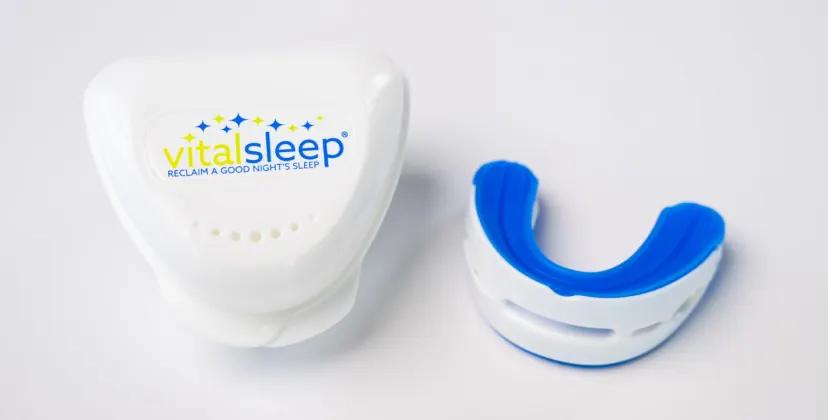
21. Mouthguard:
A mouthguard can help to keep your jaw in a forward position, preventing it from falling back and blocking your airway.
22. Throat Sprays:
Throat sprays can help to lubricate and soothe the tissues in your throat, reducing snoring caused by dryness or inflammation.
23. Essential Oils:
Certain essential oils, such as eucalyptus and peppermint, can help to open up your airways and reduce snoring when diffused or applied topically.
24. Weight Loss:
Excess weight can contribute to snoring as it can put pressure on your airways. Losing weight can help to reduce snoring.
25. Hydration:
Drinking enough water can help to thin out mucus and reduce congestion, improving breathing and reducing snoring.
26. Avoid Alcohol and Sedatives:
Alcohol and sedatives can relax the muscles in your throat, causing them to collapse and block your airway, resulting in snoring.
27. Quit Smoking:
Smoking can irritate your throat and cause inflammation, leading to snoring. Quitting smoking can improve breathing and reduce snoring.
28. Nasal Irrigation:
Using a neti pot or saline spray can help to clear out any mucus or congestion in your nasal passages, improving breathing and reducing snoring.
29. Humidifier:
Using a humidifier can help to add moisture to the air, reducing dryness in your nose and throat and improving breathing.
30. Seek Medical Advice:
If your snoring is severe and affecting your quality of life, it is essential to seek medical advice to rule out any underlying health conditions or to explore other treatment options.
In conclusion, these 30 exercises can help you breathe better and snore less, leading to improved overall health and a better night’s sleep. Incorporate these exercises into your daily routine, and you will notice a significant difference in your breathing and snoring. Remember to consult with a medical professional if your snoring persists or is accompanied by other symptoms.