
Blog post:
Do you or your partner suffer from loud, disruptive snoring? If so, you may have a deviated septum. This common condition occurs when the thin wall between the nostrils, known as the septum, is crooked or displaced. A deviated septum can cause difficulty breathing, snoring, and even sleep apnea. While surgery is often recommended to correct a deviated septum, there are also non-invasive methods that can help alleviate snoring. In this blog post, we will discuss tips for treating snoring from a deviated septum, so you can breathe easy and get a good night’s rest.
1. Use nasal strips
Nasal strips are a simple and effective way to open up your nasal passages and improve airflow. These adhesive strips are placed on the bridge of the nose and work by gently pulling the nostrils open. This can help reduce snoring caused by a deviated septum, as it allows for easier breathing through the nose. Nasal strips are available over-the-counter and can be used nightly to improve snoring and quality of sleep.
2. Try nasal dilators
Similar to nasal strips, nasal dilators are another non-invasive method for treating snoring caused by a deviated septum. These small, plastic devices are inserted into the nostrils and work by gently expanding the nasal passages. This can improve airflow and reduce snoring. Nasal dilators are typically reusable and can be easily cleaned with soap and water.
3. Use a humidifier
Dry air can irritate the nasal passages and make snoring worse. Using a humidifier in your bedroom can help add moisture to the air and alleviate congestion. This can make it easier to breathe through your nose and reduce snoring. Additionally, a humidifier can help prevent dryness in the throat and reduce the intensity of snoring.
4. Elevate your head while sleeping
Sleeping with your head elevated can help alleviate snoring caused by a deviated septum. This position helps to keep the airways open and reduce congestion. You can achieve this by using a wedge pillow or by propping up the head of your bed with blocks or risers. It is important to note that elevating your head too much can cause discomfort and may not be suitable for everyone.
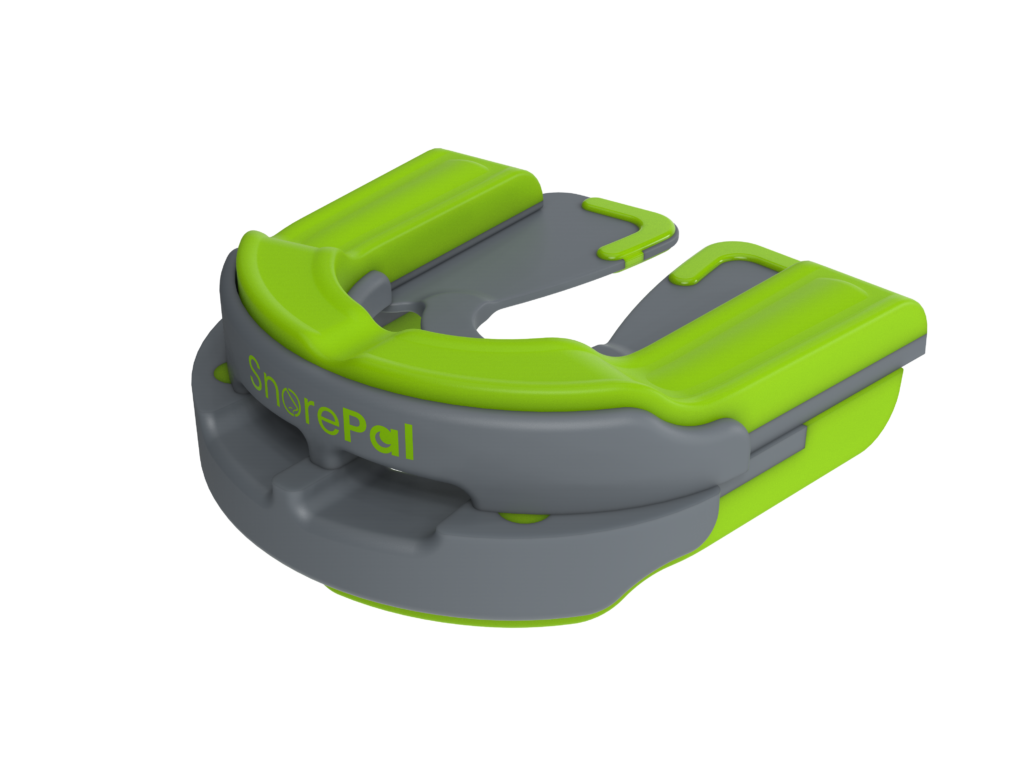
Breathe Easy: Tips for Treating Snoring from Deviated Septum
5. Try nasal irrigation
Nasal irrigation, also known as nasal flushing, is a technique that involves using a saline solution to clear out the nasal passages. This can help reduce congestion and improve breathing. You can purchase a nasal irrigation kit at your local pharmacy or make your own saline solution at home. It is important to follow the instructions carefully when using a nasal irrigation kit to avoid any potential complications.
6. Use essential oils
Certain essential oils, such as eucalyptus, peppermint, and lavender, have anti-inflammatory properties and can help reduce congestion and improve breathing. You can add a few drops of these oils to a diffuser or a bowl of hot water and inhale the steam. This can help soothe the nasal passages and make it easier to breathe through your nose.
7. Consider surgery
If your snoring is severe and significantly affecting your quality of sleep, surgery may be recommended to correct your deviated septum. This procedure, known as septoplasty, involves repositioning or removing the obstructing cartilage or bone in the septum. It is typically performed by an ear, nose, and throat specialist and can provide long-term relief for snoring caused by a deviated septum.
In conclusion, a deviated septum can be a major contributor to snoring, but there are various non-invasive methods that can help alleviate this issue. From nasal strips and dilators to humidifiers and essential oils, there are many options to choose from. However, if your snoring is severe and impacting your daily life, it may be best to consult a doctor and consider surgery. By following these tips, you can breathe easy and enjoy a peaceful night’s sleep.
Summary:
A deviated septum can cause snoring and difficulty breathing. While surgery is often recommended to correct this issue, there are also non-invasive methods that can help alleviate snoring. These include using nasal strips and dilators, using a humidifier, elevating your head while sleeping, trying nasal irrigation, using essential oils, and considering surgery if the snoring is severe. By following these tips, you can breathe easy and enjoy a good night’s rest.