
Caffeine and Snoring: What You Need to Know for a Better Night’s Sleep
Caffeine is a widely consumed substance that is found in many beverages and foods. It is known for its ability to increase alertness and energy levels, making it a popular choice for those who need a quick pick-me-up. However, caffeine can also have negative effects on our sleep, and can even contribute to snoring. In this blog post, we will explore the relationship between caffeine and snoring, and provide tips for a better night’s sleep.
Understanding Caffeine
Caffeine is a natural stimulant that is found in coffee, tea, energy drinks, and chocolate. It works by blocking the effects of adenosine, a chemical in the brain that promotes sleepiness. This results in increased alertness, improved mood, and enhanced cognitive function. Caffeine is also known to increase heart rate and blood pressure, which gives us a temporary burst of energy.
Effects of Caffeine on Sleep
While caffeine can be beneficial for staying awake and alert during the day, it can have negative effects on our sleep. Caffeine has a half-life of about 5-6 hours, which means that it takes that amount of time for the body to eliminate half of the caffeine consumed. This means that even if you have a cup of coffee in the morning, there may still be caffeine in your system when it’s time for bed.
Caffeine can disrupt our natural sleep patterns by reducing the amount of deep sleep we get. Deep sleep is important for physical and mental restoration, and a lack of it can lead to daytime sleepiness, irritability, and difficulty concentrating. Caffeine can also cause frequent awakenings throughout the night, leading to a fragmented and restless sleep.
Caffeine and Snoring
Snoring is a common sleep issue that affects approximately 90 million Americans. It is the sound caused by the vibration of the tissues in the back of the throat during sleep. While it may seem like a harmless annoyance, snoring can actually be a symptom of a more serious sleep disorder known as sleep apnea.
Caffeine can contribute to snoring in several ways. Firstly, it is a diuretic, meaning that it increases the production of urine and can lead to more frequent bathroom trips during the night. This disrupts our sleep and can result in a dry mouth and throat, making snoring more likely to occur.
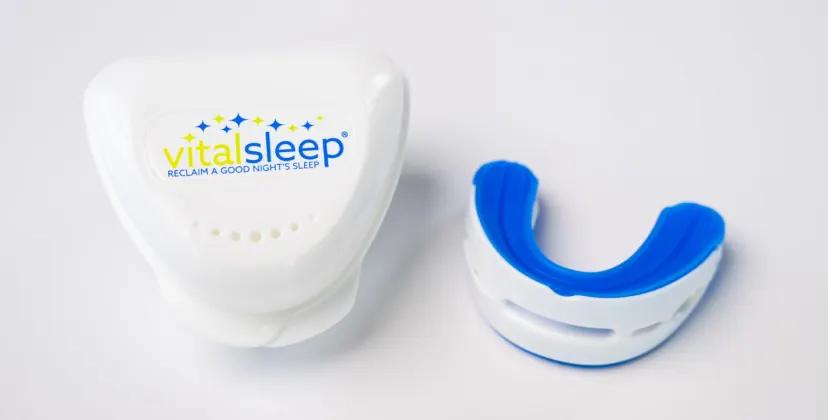
Caffeine and Snoring: What You Need to Know for a Better Night's Sleep
Secondly, caffeine can cause muscle tension in the throat, which can narrow the airway and lead to snoring. This is especially true for those who already have a narrow airway due to factors such as obesity or genetics. Additionally, caffeine can worsen acid reflux, which can also contribute to snoring.
Tips for a Better Night’s Sleep
If you are a regular caffeine consumer and are experiencing snoring or other sleep issues, here are some tips to help you get a better night’s sleep:
1. Avoid caffeine close to bedtime: As mentioned earlier, caffeine has a half-life of 5-6 hours, so it’s important to avoid consuming it at least 6 hours before bedtime. This will give your body enough time to eliminate the caffeine and reduce its effects on your sleep.
2. Limit caffeine intake: Instead of quitting caffeine completely, try to limit your intake to no more than 400 mg per day (equivalent to about 4 cups of coffee). This will help reduce the negative effects on your sleep while still allowing you to enjoy your favorite caffeinated beverages.
3. Stay hydrated: Drinking plenty of water throughout the day can help offset the diuretic effects of caffeine. This will also help keep your throat and mouth moisturized, reducing the likelihood of snoring.
4. Practice good sleep hygiene: Developing a regular sleep schedule, creating a comfortable sleep environment, and avoiding electronics before bedtime can all contribute to a better night’s sleep. This will help you fall asleep faster and stay asleep for longer periods of time.
5. Consider alternative sleep aids: If you are struggling with both caffeine and snoring, it may be worth considering alternative sleep aids such as herbal teas, melatonin supplements, or relaxation techniques. These can help you fall asleep without relying on caffeine and may also improve the quality of your sleep.
In conclusion, while caffeine can help us stay awake and alert during the day, it can have negative effects on our sleep, including contributing to snoring. By understanding the relationship between caffeine and snoring and implementing some simple tips, we can improve the quality of our sleep and wake up feeling more rested and refreshed.
Summary: Caffeine is a widely consumed substance that can have negative effects on our sleep, including contributing to snoring. Caffeine’s ability to increase alertness and energy levels can disrupt our natural sleep patterns and lead to a fragmented and restless sleep. Tips for a better night’s sleep include avoiding caffeine close to bedtime, limiting caffeine intake, staying hydrated, practicing good sleep hygiene, and considering alternative sleep aids.