
Blog Post: Common Misconceptions About Snoring and Sleep Apnea
Snoring and sleep apnea are two common sleep disorders that affect millions of people worldwide. Despite their prevalence, there are still many misconceptions and misunderstandings surrounding these conditions. In this blog post, we will debunk some of the most common misconceptions about snoring and sleep apnea.
Myth #1: Snoring is harmless
Snoring is often seen as a harmless annoyance that can be easily dismissed. However, this is far from the truth. Snoring can be a sign of sleep apnea, a serious sleep disorder where the person experiences pauses in breathing while asleep. These pauses can last for a few seconds to a few minutes and can occur multiple times throughout the night. Sleep apnea can lead to various health issues such as high blood pressure, heart disease, and stroke. It is essential to address snoring as it could be a warning sign of a more severe condition.
Myth #2: Only overweight people snore and have sleep apnea
While being overweight can increase the risk of snoring and sleep apnea, it is not the only factor. People of any weight can snore and have sleep apnea. In fact, thin individuals can also suffer from these conditions due to structural issues in the airway or other underlying health conditions. It is crucial to consult a doctor if you or your partner notice chronic snoring, regardless of weight.
Myth #3: Snoring is a male problem
It is a common misconception that only men snore. While it is true that men are more likely to snore, women can also snore, and they are just as likely to have sleep apnea. However, women are often underdiagnosed as the symptoms of sleep apnea in women differ from those in men. Women with sleep apnea are more likely to experience insomnia, morning headaches, and fatigue, while men are more likely to have loud snoring and pauses in breathing. This difference in symptoms can lead to women being misdiagnosed or not diagnosed at all.
Myth #4: Snoring and sleep apnea only affect older adults
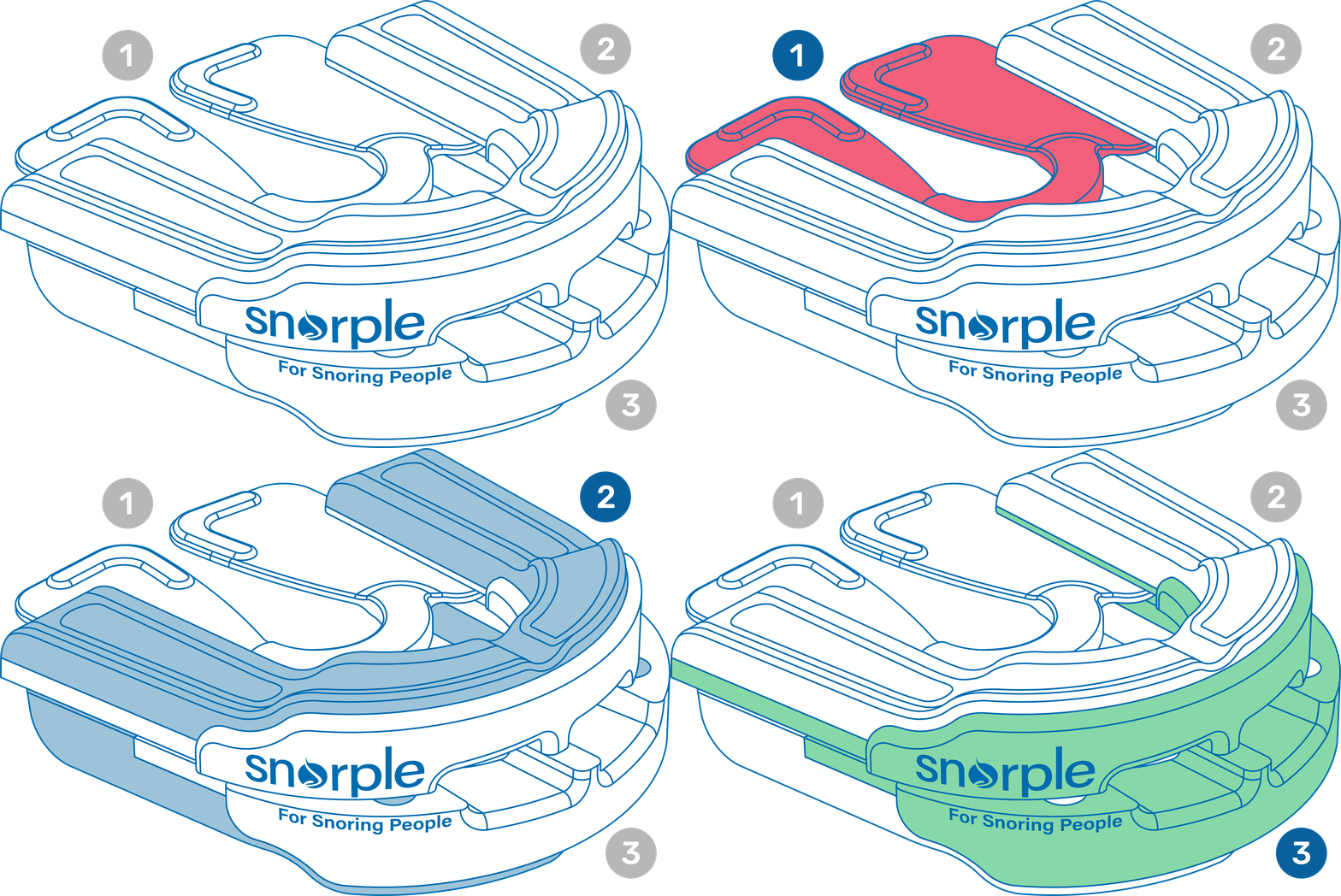
Common Misconceptions About Snoring and Sleep Apnea
While snoring and sleep apnea are more common in older adults, they can affect anyone at any age. In fact, research has shown an increase in sleep apnea cases among younger individuals, primarily due to obesity and lifestyle factors such as smoking and alcohol consumption. It is essential to address snoring and sleep apnea at any age to prevent potential health complications.
Myth #5: You will know if you have sleep apnea
Many people assume that if they have sleep apnea, they would know it. However, this is not always the case. Sleep apnea can manifest differently in each person, and some may not experience any noticeable symptoms. In some cases, the person’s partner may be the first to notice the pauses in breathing or loud snoring. If you suspect that you or your partner may have sleep apnea, it is best to consult a doctor for a proper diagnosis.
Myth #6: Surgery is the only solution for sleep apnea
Surgery is often seen as a quick fix for sleep apnea, but it is not the only solution. In most cases, the first line of treatment for sleep apnea is a continuous positive airway pressure (CPAP) machine, which delivers a steady stream of air through a mask to keep the airway open during sleep. Other alternatives include oral devices, lifestyle changes, and in some cases, surgery may be recommended. It is essential to work with a doctor to determine the best treatment plan for your specific case.
Myth #7: Snoring and sleep apnea only affect your sleep
Snoring and sleep apnea not only affect your sleep but also have a significant impact on your overall health. As mentioned earlier, sleep apnea can increase the risk of various health issues, including heart disease and stroke. It can also lead to daytime fatigue and drowsiness, which can affect your performance at work or school. If left untreated, sleep apnea can significantly impact your quality of life.
In conclusion, snoring and sleep apnea are not always harmless and should not be dismissed. It is essential to address these conditions and seek medical help if you or your partner notice chronic snoring or other symptoms of sleep apnea. With proper diagnosis and treatment, you can improve your sleep and overall health.
Summary:
Snoring and sleep apnea are two common sleep disorders that are often misunderstood. Many people believe that snoring is harmless, only overweight people snore, and it is a male problem. However, snoring can be a sign of sleep apnea, which can lead to various health issues. It is also a misconception that only older adults are affected by snoring and sleep apnea, and surgery is the only solution. Sleep apnea can have a significant impact on one’s overall health and should not be ignored. It is crucial to consult a doctor if you or your partner notice chronic snoring or other symptoms of sleep apnea.