
Blog Post:
Sleep is a vital part of a child’s overall health and development. It allows their bodies to rest and recharge, and it also plays a crucial role in their cognitive and emotional growth. However, many children struggle with sleep disorders that can disrupt their sleep patterns and cause various problems. As a parent, it can be challenging to see your child struggle with sleep, but it’s essential to understand that sleep disorders are common in children and can be addressed with the right approach. In this blog post, we will discuss some of the most common sleep disorders in children and how to address them.
1. Insomnia
Insomnia is one of the most common sleep disorders in children. It is characterized by difficulty falling asleep, staying asleep, or waking up too early. Insomnia can be caused by various factors, such as stress, anxiety, and changes in routine. If your child is experiencing insomnia, it’s essential to identify the root cause and address it. You can try implementing a consistent bedtime routine, creating a calm and comfortable sleep environment, and limiting screen time before bed. If these strategies don’t work, it’s best to consult a pediatrician for further guidance.
2. Sleep Apnea
Sleep apnea is a sleep disorder that causes a child to stop breathing repeatedly during sleep. It can be caused by enlarged tonsils or adenoids, obesity, or structural problems in the nose or throat. Children with sleep apnea may snore loudly, gasp for air, and have pauses in breathing during sleep. This condition can lead to daytime fatigue, irritability, and difficulty concentrating. If you suspect your child has sleep apnea, it’s crucial to consult a pediatrician for a proper diagnosis and treatment. Treatment options may include the removal of tonsils or adenoids, using a continuous positive airway pressure (CPAP) machine, or wearing oral appliances.
3. Restless Leg Syndrome
Restless Leg Syndrome (RLS) is a neurological disorder that causes an irresistible urge to move the legs, especially at night. Children with RLS may experience uncomfortable sensations in their legs, such as itching, tingling, or crawling. This condition can disrupt their sleep and cause daytime fatigue and irritability. In severe cases, it can also affect a child’s mood and behavior. If your child has RLS, it’s essential to consult a pediatrician for proper diagnosis and treatment. Treatment options may include lifestyle changes, such as regular exercise, and medication to relieve symptoms.
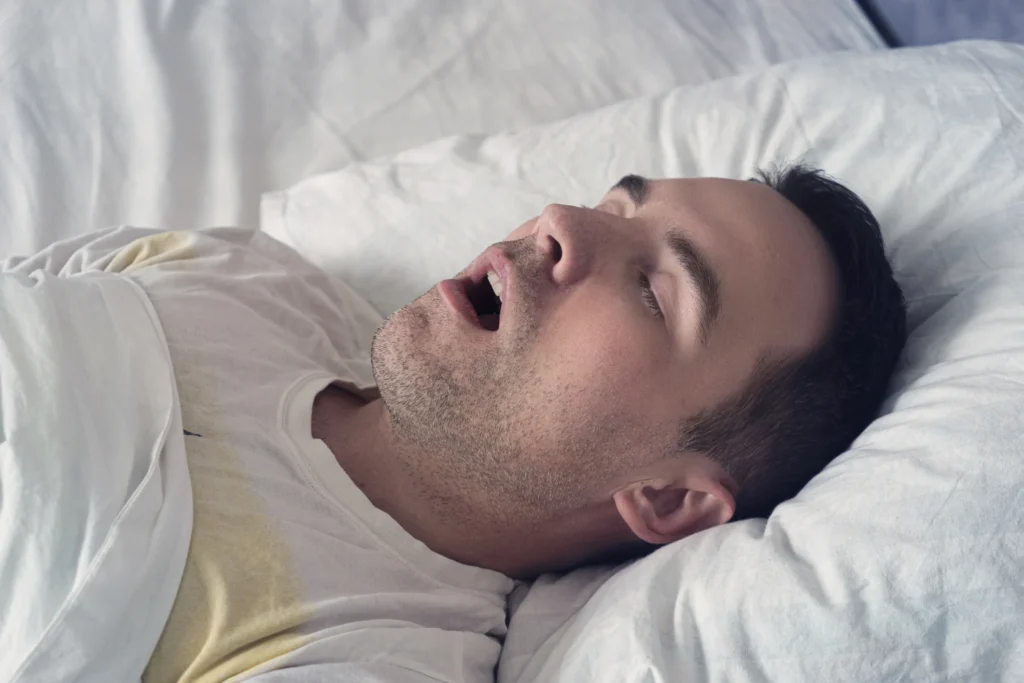
Common Sleep Disorders in Children and How to Address Them
4. Night Terrors
Night terrors are episodes of intense fear, screaming, and thrashing during sleep. Unlike nightmares, which occur during the REM stage of sleep, night terrors occur during the non-REM stage. They usually happen within two hours of a child falling asleep and can last for several minutes. Night terrors can be frightening for both the child and the parent, but they are not harmful. If your child experiences night terrors, it’s essential to provide comfort and reassurance during the episode and ensure a safe sleep environment. It’s also crucial to establish a consistent bedtime routine and address any underlying stress or anxiety that may be triggering the episodes.
5. Narcolepsy
Narcolepsy is a chronic neurological disorder that affects the brain’s ability to regulate sleep-wake cycles. It causes excessive daytime sleepiness, sudden episodes of sleep, and cataplexy, which is a sudden loss of muscle tone. Narcolepsy can significantly impact a child’s daily life, as they may fall asleep at school or during other activities. If you suspect your child has narcolepsy, it’s vital to seek medical help for proper diagnosis and treatment. Treatment options may include medication, lifestyle changes, and counseling to manage symptoms.
6. Delayed Sleep Phase Syndrome
Delayed Sleep Phase Syndrome (DSPS) is a circadian rhythm disorder that affects a child’s sleep-wake cycle. Children with DSPS have difficulty falling asleep at a regular bedtime and tend to stay up late at night and wake up late in the morning. This can significantly impact their daily routine and lead to sleep deprivation. If your child has DSPS, it’s essential to implement a consistent sleep schedule and limit stimulants, such as caffeine, before bedtime. Light therapy and chronotherapy, which involves gradually adjusting bedtime and wake-up time, may also be helpful in managing this condition.
In conclusion, sleep disorders are prevalent in children, and they can significantly impact their overall health and well-being. As a parent, it’s crucial to be aware of these disorders and their symptoms, and to seek medical help if necessary. With the right approach, most sleep disorders in children can be effectively managed, allowing them to get the restful sleep they need for optimal growth and development.
Summary:
Sleep disorders are common in children and can significantly impact their overall health and development. Some of the most common sleep disorders in children include insomnia, sleep apnea, restless leg syndrome, night terrors, narcolepsy, and delayed sleep phase syndrome. These disorders can disrupt a child’s sleep and cause various problems, including daytime fatigue, irritability, and difficulty concentrating. However, with the right approach, most sleep disorders in children can be effectively managed. It’s crucial to consult a pediatrician for proper diagnosis and treatment, and to implement strategies such as creating a consistent bedtime routine, providing a comfortable sleep environment, and limiting screen time before bed. By addressing sleep disorders in children, we can ensure that they get the restful sleep they need for optimal growth and development.