
Blog Post Title: CPAP Therapy: The Secret to a Restful Night’s Sleep for Snorers
Summary:
Snoring can be a major nuisance for both the snorer and their partner. It can disrupt sleep, cause daytime fatigue and even lead to more serious health issues. Fortunately, there is a solution that can help alleviate snoring and improve overall sleep quality – CPAP therapy.
CPAP (Continuous Positive Airway Pressure) therapy is a non-invasive treatment for sleep apnea, a common condition that causes pauses in breathing during sleep. It involves wearing a mask connected to a machine that delivers a steady stream of air pressure to keep the airway open and prevent pauses in breathing. While CPAP therapy is primarily used to treat sleep apnea, it has also been proven effective in reducing snoring.
This blog post will dive into the ins and outs of CPAP therapy and how it can be the secret to a restful night’s sleep for snorers.
Understanding Sleep Apnea and Snoring:
Before we delve into the benefits of CPAP therapy, it’s important to understand the relationship between sleep apnea and snoring. Sleep apnea occurs when the muscles in the back of the throat relax too much during sleep, causing the airway to become blocked. This can lead to pauses in breathing and a decrease in oxygen levels in the body. Snoring, on the other hand, is the sound produced when the airway becomes partially blocked during sleep.
While not all snorers have sleep apnea, most people with sleep apnea also snore. This is why CPAP therapy, which is primarily used to treat sleep apnea, can also be effective in reducing snoring.
The Benefits of CPAP Therapy for Snorers:
CPAP therapy works by delivering a steady flow of pressurized air through a mask worn over the nose and mouth. This air pressure helps to keep the airway open and prevents pauses in breathing. As a result, snorers can experience a significant reduction in their snoring and enjoy a more restful night’s sleep.
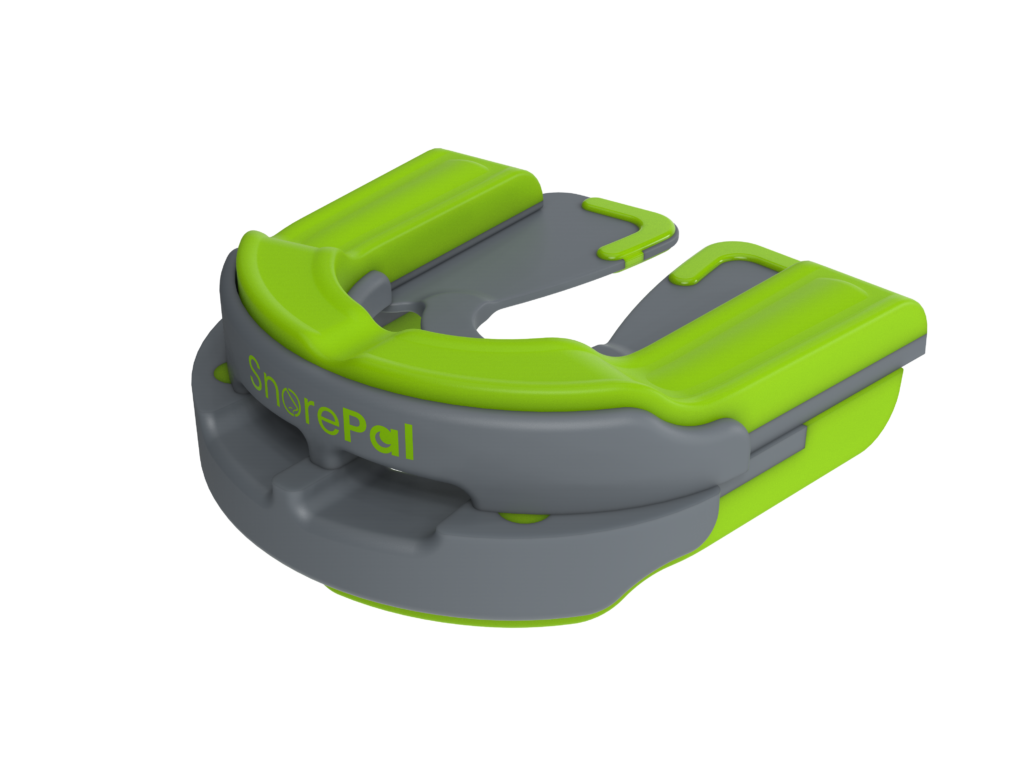
CPAP Therapy: The Secret to a Restful Night's Sleep for Snorers
One of the main benefits of CPAP therapy for snorers is improved sleep quality. With a steady flow of oxygen, snorers are less likely to experience interruptions in their breathing, leading to a more restful and rejuvenating sleep. This can also lead to reduced daytime fatigue and increased alertness throughout the day.
Additionally, CPAP therapy can also improve overall health. Sleep apnea has been linked to various health issues, such as high blood pressure, heart disease, and diabetes. By treating sleep apnea with CPAP therapy, snorers can reduce their risk of developing these health conditions.
Choosing the Right CPAP Machine and Mask:
When it comes to CPAP therapy, one size does not fit all. It’s important to choose the right machine and mask that best suits your needs and preferences. The first step is to consult with a sleep specialist who can help determine the severity of your snoring and recommend the appropriate machine settings.
There are various types of CPAP machines available, such as standard CPAP, APAP (Auto-Adjusting Positive Airway Pressure), and BiPAP (Bi-Level Positive Airway Pressure). Each type works differently and is designed for different levels of sleep apnea. It’s important to work closely with a sleep specialist to find the right machine that will effectively treat your snoring.
In addition to the machine, the mask is also a crucial component of CPAP therapy. It’s important to find a mask that is comfortable and fits securely, as it will be worn for several hours each night. There are various types of masks available, including nasal masks, full face masks, and nasal pillows. Experimenting with different types of masks can help find the best fit for your individual needs.
Adjusting to CPAP Therapy:
CPAP therapy may take some time to get used to, but the benefits are well worth the adjustment period. It’s important to understand that it may take a few weeks to see significant improvements in snoring and sleep quality. It’s also common to experience some discomfort or dryness in the nose and throat when first starting CPAP therapy. However, these issues can be easily addressed by adjusting the machine’s settings or using a heated humidifier.
It’s also crucial to use CPAP therapy consistently each night for the best results. Skipping nights or only using the machine for a few hours will not provide the full benefits of the treatment.
In addition to using CPAP therapy, there are also lifestyle changes that can help reduce snoring and improve sleep, such as maintaining a healthy weight, avoiding alcohol and sedatives before bed, and sleeping on your side instead of your back.
In conclusion, CPAP therapy can be the secret to a restful night’s sleep for snorers. By keeping the airway open and preventing pauses in breathing, CPAP therapy can significantly reduce snoring and improve overall sleep quality. With the help of a sleep specialist and proper adjustments, CPAP therapy can be a game-changer for those struggling with snoring and sleep apnea.