
Summary:
Snoring is a common problem that affects millions of people worldwide. While most people associate snoring with a deviated septum, there are many misconceptions and myths surrounding this condition. In this blog post, we will debunk some of the most common myths about snoring and deviated septums.
Myth #1: Snoring is a normal part of aging.
Many people believe that snoring is a normal part of aging, but this is not entirely true. While it is true that snoring can become more common as we age, it is not a natural part of the aging process. In fact, snoring is often a sign of an underlying health issue, such as a deviated septum.
Myth #2: Only overweight people snore.
While being overweight can contribute to snoring, it is not the only factor. People of all shapes and sizes can snore, and it is not solely dependent on their weight. In fact, snoring can be caused by a variety of factors, including allergies, nasal congestion, and even genetics.
Myth #3: A deviated septum causes snoring.
A deviated septum is a common condition where the wall between the nostrils is off-center, causing one nostril to be smaller than the other. While this can contribute to snoring, it is not always the main cause. Other factors, such as enlarged tonsils, can also lead to snoring.
Myth #4: Snoring only affects men.
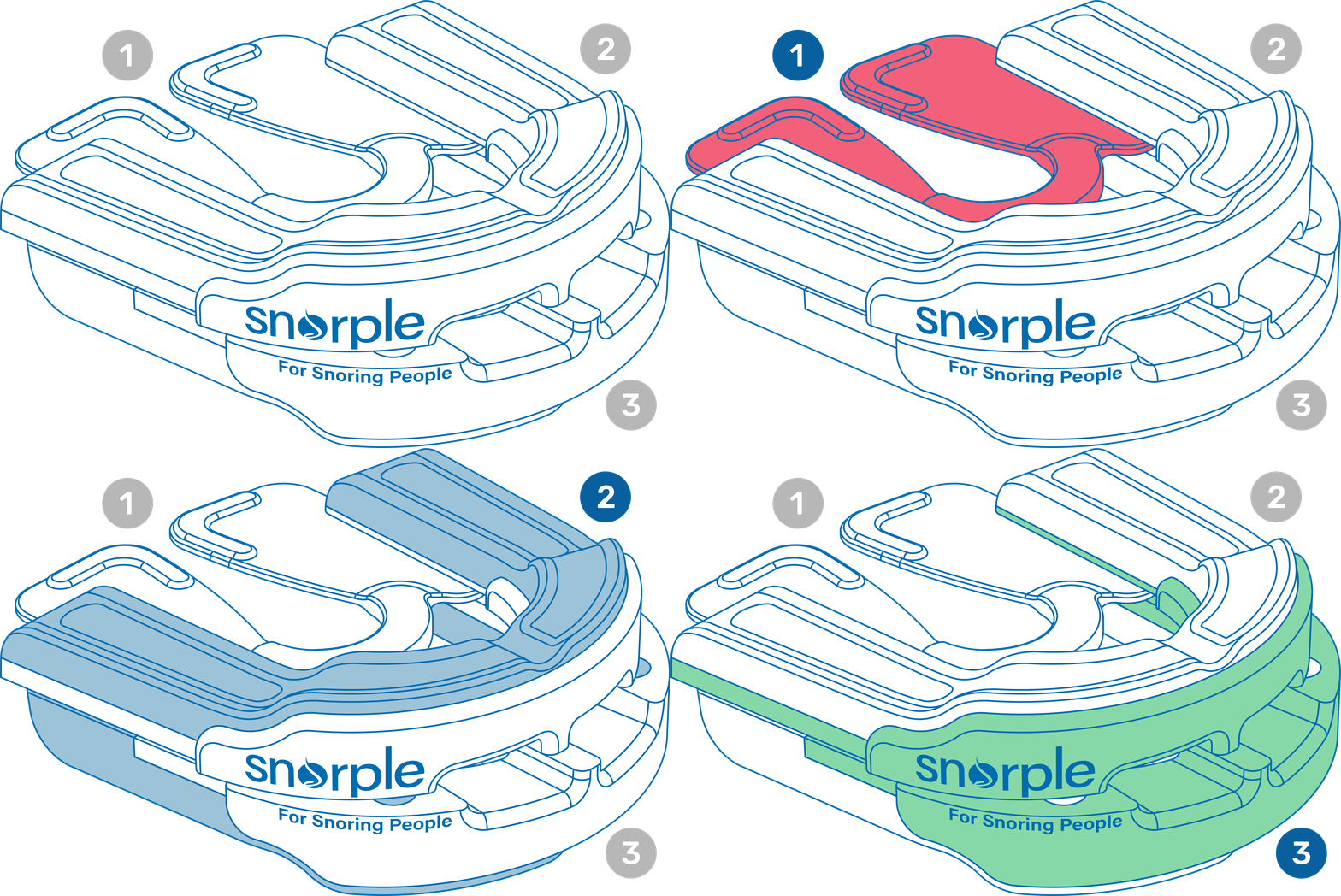
Debunking Common Myths About Snoring and Deviated Septums
While men are more likely to snore than women, snoring can affect anyone regardless of gender. In fact, studies have shown that women are more likely to underreport snoring because it is often seen as a male issue. This misconception can prevent women from seeking treatment for their snoring.
Myth #5: Snoring is just a nuisance.
Many people dismiss snoring as just a minor inconvenience, but it can have serious consequences. Snoring can disrupt sleep patterns and lead to daytime fatigue and irritability. It can also put a strain on relationships, especially if a partner is constantly being disturbed by the snoring.
Myth #6: Surgery is the only solution for a deviated septum.
While surgery may be necessary in severe cases, it is not the only solution for a deviated septum. In fact, many people find relief from snoring and breathing problems by using nasal strips, decongestants, and other non-invasive methods.
Myth #7: Snoring can’t be treated.
Contrary to popular belief, snoring can be treated. There are a variety of options available, depending on the underlying cause of the snoring. For those with a deviated septum, nasal surgery may be the most effective solution. However, lifestyle changes, such as losing weight and avoiding alcohol before bedtime, can also help reduce snoring.
Myth #8: Snoring is harmless.
While snoring may seem harmless, it can actually be a sign of a more serious health issue. Loud and persistent snoring can be a symptom of sleep apnea, a condition where breathing repeatedly stops and starts during sleep. Sleep apnea can lead to high blood pressure, heart disease, and other health problems if left untreated.
In conclusion, there are many myths surrounding snoring and deviated septums. It is important to debunk these myths and educate ourselves on the true causes and treatments for snoring. If you or a loved one is dealing with snoring, it is important to seek medical advice to determine the underlying cause and find the best solution for a good night’s sleep.