
Blog Post:
Do you often find yourself waking up tired and groggy, despite getting a full night’s sleep? Has your partner complained about your loud snoring keeping them up at night? If so, you may be one of the millions of people who suffer from snoring. While snoring may seem like a minor annoyance, it can actually have a significant impact on your overall health and well-being.
Snoring occurs when the muscles in your throat relax, causing the airway to narrow and making it difficult for air to pass through. This results in the vibration of the surrounding tissues, which produces the familiar snoring sound. While snoring can be caused by a variety of factors such as age, weight, and sleep position, one of the most common causes is a condition called obstructive sleep apnea (OSA).
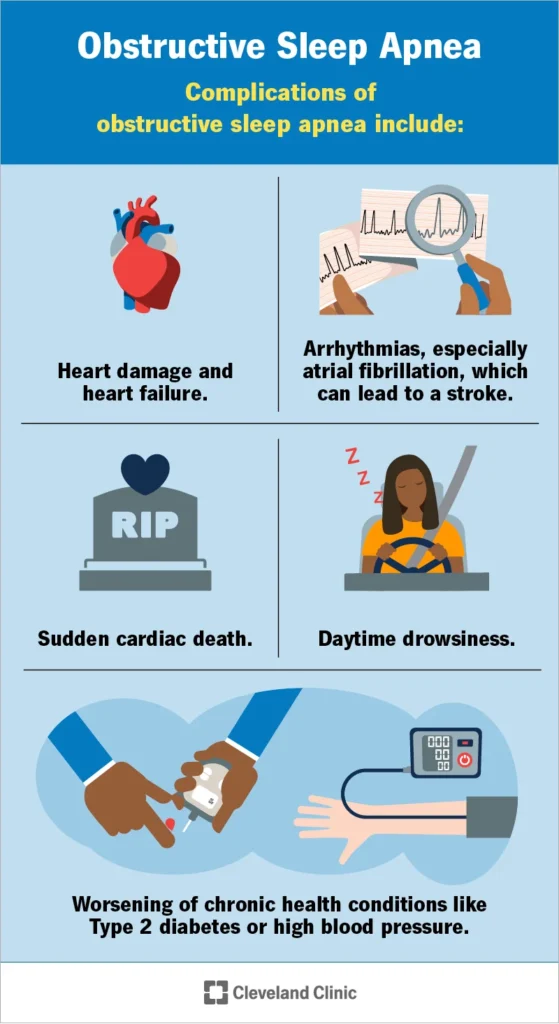
OSA is a serious sleep disorder that causes repeated pauses in breathing while asleep. These pauses can last from a few seconds to a few minutes and can occur multiple times throughout the night. This not only disrupts your sleep but also puts a strain on your heart and can lead to other health issues such as high blood pressure, heart disease, and stroke. OSA can also result in daytime sleepiness, irritability, and difficulty concentrating, affecting your overall quality of life.
Thankfully, there are several dental appliances available that can help alleviate snoring and treat OSA. These devices work by either repositioning the jaw or holding the tongue in place to keep the airway open while sleeping. Let’s take a closer look at some of the most common dental appliances for snoring and how they can improve your sleep and overall health.
1. Mandibular Advancement Devices (MADs)
MADs are the most commonly used dental appliances for snoring and OSA. They are custom-made to fit your mouth and work by pushing the lower jaw forward, which in turn opens up the airway. This prevents the collapse of the soft tissues at the back of the throat and reduces snoring and sleep apnea episodes. MADs are easy to use and can be adjusted to find the perfect fit for your mouth. They are also portable, making them convenient for travel.
2. Tongue-Retaining Devices (TRDs)
TRDs are similar to MADs, but instead of holding the jaw in place, they hold the tongue forward. This prevents it from falling back and blocking the airway. TRDs are a good option for those who have a smaller jaw or have trouble adjusting to MADs. They are also easy to use and portable, making them a popular choice for those with mild to moderate OSA.
3. Oral Pressure Therapy (OPT) Devices
Dental Appliances for Snoring: The Key to a Good Night's Sleep
OPT devices are relatively new in the market but have shown promising results in treating snoring and OSA. These devices use a small vacuum pump to create negative pressure in the mouth, pulling the soft palate forward and keeping the airway open. OPT devices are typically used in combination with a nasal mask and have been found to be effective for those with severe OSA who cannot use CPAP machines.
4. Tongue Stabilizing Devices (TSDs)
TSDs are similar to TRDs in that they hold the tongue forward, but they do not require any custom fitting. Instead, they use suction to hold the tongue in place and prevent it from falling back. TSDs are a good option for those who have dentures or a small jaw. They are also easy to use and portable.
5. Positional Therapy Devices
In some cases, snoring and OSA can be caused by sleeping in a certain position that causes the airway to become blocked. Positional therapy devices aim to keep you in a specific sleep position to prevent snoring and sleep apnea episodes. Some devices use sensors to detect when you are sleeping on your back and gently vibrate, prompting you to change positions. Others use a backpack-like device to keep you on your side while sleeping.
While dental appliances for snoring and OSA can be highly effective, it’s important to consult with a dentist or sleep specialist before using them. They can determine the severity of your condition and recommend the best device for your specific needs. It’s also essential to have regular check-ups and adjustments to ensure the device is still fitting properly and providing the desired results.
In addition to dental devices, there are also lifestyle changes that can help reduce snoring and improve sleep quality. These include maintaining a healthy weight, avoiding alcohol and sedatives before bedtime, and sleeping on your side instead of your back.
In conclusion, snoring may seem like a minor inconvenience, but it can have a significant impact on your health and well-being. If you or your partner are struggling with snoring, consider trying one of these dental appliances for snoring to improve your sleep and overall quality of life. Remember to consult with a professional and make necessary lifestyle changes for the best results.
Summary:
Snoring may seem like a minor annoyance, but it can have a significant impact on your overall health and well-being. It is often caused by a condition called obstructive sleep apnea (OSA), which can lead to other health issues such as high blood pressure, heart disease, and stroke. Thankfully, there are several dental appliances available that can help alleviate snoring and treat OSA. These include Mandibular Advancement Devices (MADs), Tongue-Retaining Devices (TRDs), Oral Pressure Therapy (OPT) Devices, Tongue Stabilizing Devices (TSDs), and Positional Therapy Devices. It’s essential to consult with a dentist or sleep specialist before using these devices and make necessary lifestyle changes for the best results.