
Blog Post:
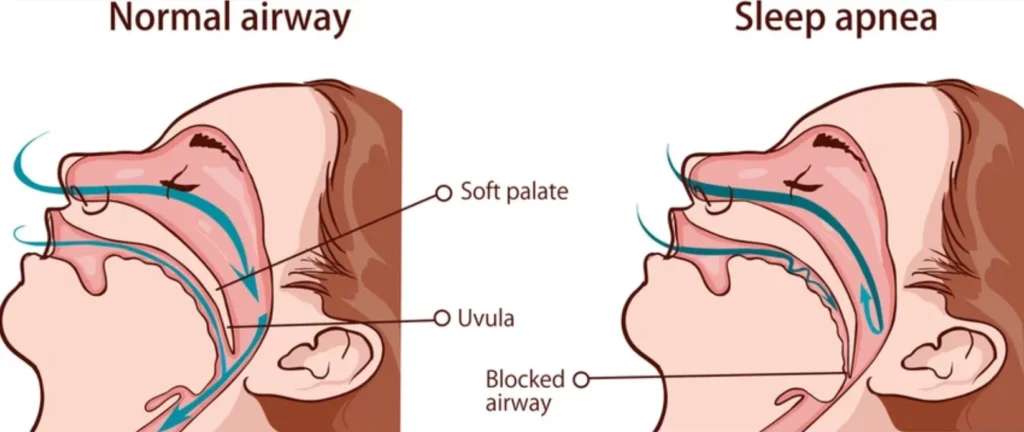
Snoring is a common problem that affects millions of people worldwide. It is often associated with sleep disorders such as sleep apnea, where the airway becomes blocked, causing interruptions in breathing. While snoring itself may not seem like a serious issue, it can lead to various dental problems that can affect your overall oral health. In this blog post, we will discuss the dental issues caused by snoring and what you need to know to prevent and treat them.
1. Dry Mouth:
One of the most common dental issues caused by snoring is dry mouth. When you snore, your mouth remains open, causing a decrease in saliva production. Saliva plays a crucial role in keeping your mouth lubricated and preventing bacteria from building up. Without enough saliva, you are at a higher risk of developing tooth decay and gum disease. To prevent dry mouth, it is essential to stay hydrated and use a humidifier in your bedroom while sleeping.
2. Tooth Grinding:
Snoring can also lead to tooth grinding, also known as bruxism. This condition occurs when you clench or grind your teeth while sleeping. The vibrations from snoring can cause your teeth to rub against each other, leading to tooth wear and tear, jaw pain, and headaches. If left untreated, bruxism can cause severe damage to your teeth and jaw muscles. Your dentist may recommend a custom mouthguard to protect your teeth while you sleep.
3. Sore Throat and Tonsillitis:
Snoring can also cause a sore throat and tonsillitis. The vibrations from snoring can irritate the throat and cause inflammation, leading to a sore throat. If you have enlarged tonsils, snoring can aggravate the problem and lead to tonsillitis. If you suffer from frequent sore throats or tonsillitis, consult your doctor for proper treatment.
4. Temporomandibular Joint (TMJ) Disorder:
The temporomandibular joint connects your jawbone to your skull, allowing you to open and close your mouth. Snoring can cause strain on this joint, leading to TMJ disorder. Symptoms include jaw pain, difficulty opening your mouth, and clicking or popping sounds when you move your jaw. Your dentist may recommend a nightguard or other treatments to alleviate the symptoms of TMJ disorder.
Dental Issues Caused by Snoring: What You Need to Know
5. Periodontal Disease:
Snoring can also increase your risk of developing periodontal disease, a severe gum infection that can lead to tooth loss if left untreated. The vibrations from snoring can cause the gums to pull away from the teeth, creating pockets where bacteria can thrive. This can lead to inflammation, bleeding gums, and ultimately, tooth loss. To prevent periodontal disease, it is crucial to maintain good oral hygiene and visit your dentist regularly for cleanings and checkups.
6. Enlarged Uvula:
The uvula is the small, fleshy tissue that hangs at the back of your throat. Snoring can cause this tissue to become enlarged, leading to breathing difficulties and an increased risk of sleep apnea. If you notice that your snoring has become louder and more frequent, consult your doctor to determine if an enlarged uvula is the cause.
7. Tooth Sensitivity:
Snoring can also cause tooth sensitivity. The vibrations from snoring can cause the enamel on your teeth to erode, exposing the sensitive dentin layer underneath. This can lead to tooth sensitivity, making it uncomfortable to eat or drink cold or hot foods. Your dentist may recommend using a toothpaste specifically designed for sensitive teeth to alleviate this issue.
8. Sleep Apnea:
As mentioned earlier, snoring is often associated with sleep apnea, a condition where the airway becomes blocked, causing disruptions in breathing. If left untreated, sleep apnea can lead to serious health problems, including high blood pressure, heart disease, and stroke. It is essential to consult a doctor if you suspect you or your partner may have sleep apnea. Treatment options include lifestyle changes, oral devices, or surgery, depending on the severity of the condition.
Prevention and Treatment:
To prevent dental issues caused by snoring, it is essential to address the root cause of snoring. Lifestyle changes such as losing weight, sleeping on your side, and avoiding alcohol and sedatives before bedtime can help reduce snoring. Additionally, using a continuous positive airway pressure (CPAP) machine or oral devices can help keep your airway open while you sleep. It is also crucial to maintain good oral hygiene, visit your dentist regularly, and address any underlying dental issues that may contribute to snoring.
In conclusion, snoring may seem like a minor issue, but it can have a significant impact on your oral health. If you or your partner snores, it is essential to address the problem to prevent or treat any dental issues that may arise. Consult your doctor and dentist for proper diagnosis and treatment, and remember to maintain good oral hygiene to keep your teeth and gums healthy.
Summary:
Snoring is a common problem that can lead to various dental issues such as dry mouth, tooth grinding, sore throat, TMJ disorder, periodontal disease, and more. It can also increase the risk of sleep apnea, a serious sleep disorder. To prevent these dental issues, it is crucial to address the root cause of snoring and maintain good oral hygiene. Consult your doctor and dentist for proper diagnosis and treatment.