
Blog Post Title: Deviated Septum and Snoring: Finding Relief and Managing Symptoms
Deviated septum is a condition where the nasal septum, the thin wall that separates the nostrils, is shifted to one side. This can cause a variety of symptoms, including difficulty breathing through the nose, frequent sinus infections, and snoring. In fact, deviated septum is one of the leading causes of snoring, affecting approximately 80% of people who snore. Snoring can not only be a nuisance for both the snorer and their partner, but it can also lead to serious health problems if left untreated. In this blog post, we will discuss the connection between deviated septum and snoring, how to find relief and manage symptoms, and the potential treatment options available.
The Connection Between Deviated Septum and Snoring:
When a deviated septum is present, it can obstruct the airflow through the nose, causing a person to breathe through their mouth. This can lead to dry mouth and throat, which can contribute to snoring. Additionally, the deviated septum can also cause turbulence in the airflow, resulting in the loud, vibrating sound we know as snoring.
Moreover, a deviated septum can also lead to other conditions that can worsen snoring, such as chronic sinusitis and nasal polyps. These conditions can cause inflammation and blockages in the nasal passages, making it even harder for a person to breathe through their nose and increasing the likelihood of snoring.
Finding Relief and Managing Symptoms:
If you suspect that you have a deviated septum and it is contributing to your snoring, it is essential to seek medical advice. A doctor will perform a physical examination and may also recommend imaging tests, such as X-rays or CT scans, to confirm the diagnosis.
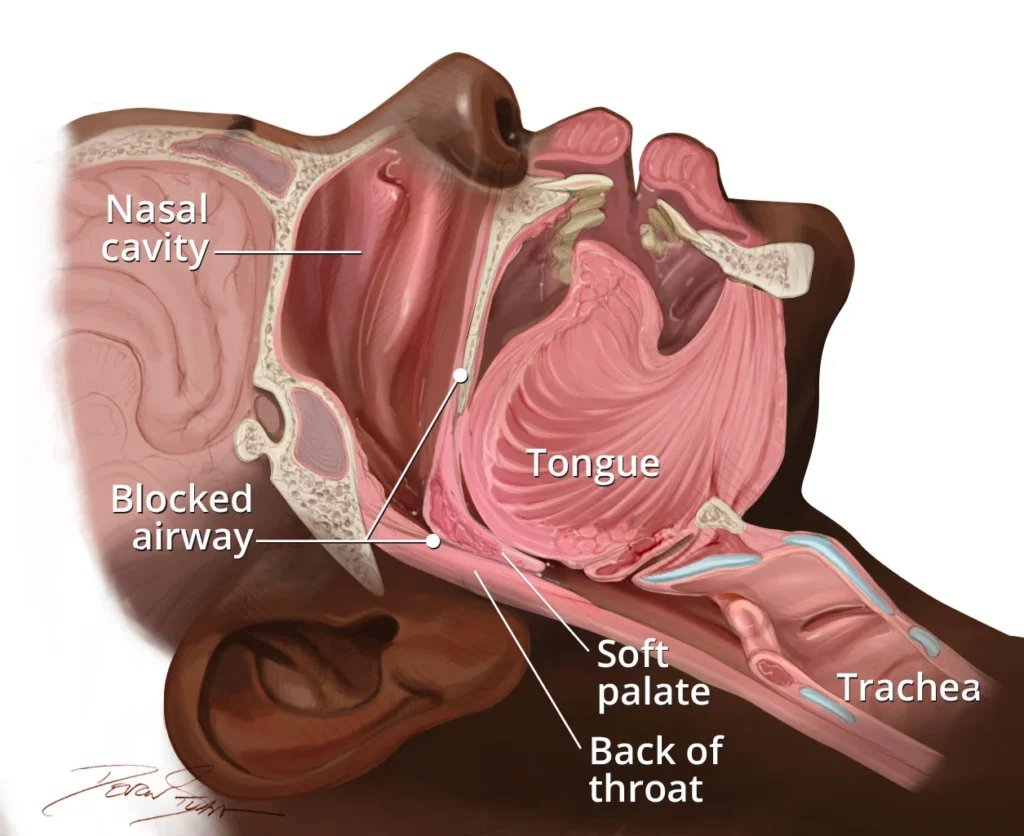
Deviated Septum and Snoring: Finding Relief and Managing Symptoms
One of the first steps in finding relief from snoring caused by a deviated septum is to treat the underlying condition. This may include using nasal decongestants or saline sprays to reduce inflammation and congestion in the nasal passages. In cases of chronic sinusitis or nasal polyps, surgery may be necessary to remove the blockages and improve breathing.
In addition to treating the underlying condition, there are also lifestyle changes that can help manage snoring caused by a deviated septum. These include avoiding alcohol and sedatives before bedtime, as they can relax the muscles in the throat and worsen snoring. Maintaining a healthy weight and exercising regularly can also help improve breathing and reduce snoring.
Treatment Options:
In cases where the deviated septum is severe and is causing significant obstruction, surgery may be recommended. Septoplasty is a surgical procedure that involves straightening the nasal septum and correcting any structural abnormalities. This surgery can improve airflow through the nose and reduce snoring.
Another treatment option for snoring caused by a deviated septum is the use of a continuous positive airway pressure (CPAP) machine. This device delivers a steady stream of air through a mask worn over the nose and mouth, keeping the airway open and preventing snoring.
In some cases, a combination of treatments may be necessary to effectively manage snoring caused by a deviated septum. For example, a person may undergo septoplasty to correct the deviated septum and then use a CPAP machine to maintain open airways during sleep.
In Summary:
Deviated septum is a common condition that can lead to snoring. It is important to seek medical advice if you suspect that you have a deviated septum, as it can cause other health issues if left untreated. Treatment options include addressing the underlying condition, lifestyle changes, surgery, and the use of a CPAP machine. A combination of treatments may be necessary for effective management of snoring caused by a deviated septum.