
Summary:
Snoring is a common problem that affects millions of people worldwide. Not only does it disrupt the sleep of the person snoring, but it also affects the quality of sleep of their partner or roommates. Fortunately, there are various anti-snoring aids available in the market that can help alleviate this issue. However, with so many options to choose from, it can be overwhelming to find the best one for your unique needs. In this blog post, we will discuss the different types of anti-snoring aids, their effectiveness, and how to determine the best one for you.
Firstly, it is essential to understand the causes of snoring before looking for a solution. Snoring can be caused by various factors such as obesity, nasal congestion, sleep position, and alcohol consumption. Therefore, it is crucial to identify the root cause of your snoring to find the most suitable aid.
One of the most popular and effective anti-snoring aids is the Continuous Positive Airway Pressure (CPAP) machine. It works by delivering a constant flow of air through a mask that keeps the airway open during sleep. CPAP machines are often recommended for people with sleep apnea, a condition where breathing repeatedly stops and starts during sleep. While it is highly effective, some people may find the mask uncomfortable or noisy, leading to non-compliance.
Another popular choice is oral appliances, which are custom-made and fitted by a dentist. These devices work by keeping the jaw in a forward position, preventing the tongue and soft tissues from blocking the airway. While oral appliances are effective for mild to moderate snoring, they may not be suitable for people with severe sleep apnea.
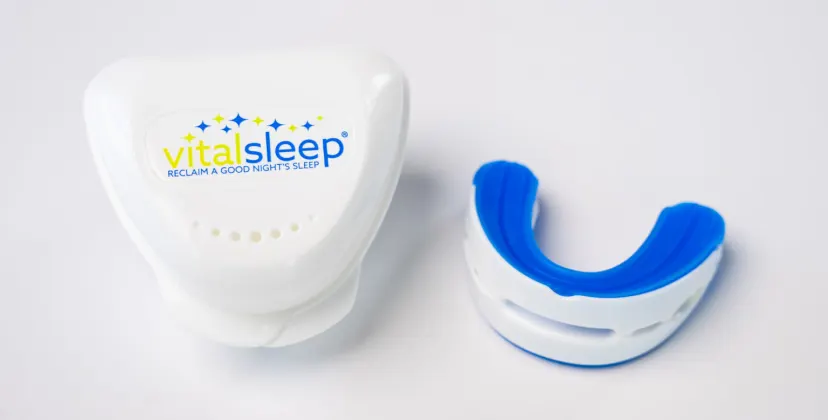
Discovering the Best Anti-Snoring Aids for Your Unique Needs
Nasal strips and dilators are another commonly used anti-snoring aid. These adhesive strips or plastic devices are placed on the nose to open up the nasal passages and improve airflow. While they may provide temporary relief, they are not suitable for people with nasal deformities or chronic nasal congestion.
For those who prefer a non-invasive approach, there are also natural remedies and lifestyle changes that can help reduce snoring. Losing weight, avoiding alcohol before bedtime, and sleeping on your side are some effective ways to reduce snoring. There are also special pillows designed to keep the head and neck in the proper position to prevent snoring.
In recent years, there has been an increase in the use of anti-snoring apps and devices that claim to detect and reduce snoring. These devices work by monitoring your snoring patterns and either vibrating or emitting a sound to encourage you to change your sleep position. While they may be effective for some, the accuracy and reliability of these devices are still questionable.
When looking for an anti-snoring aid, it is crucial to consider factors such as effectiveness, comfort, and cost. What works for one person may not work for another, so it may require some trial and error to find the right solution. It is also essential to consult with a medical professional to rule out any underlying medical conditions and to ensure that the chosen aid is suitable for your specific needs.
In conclusion, snoring is a common issue that can have a significant impact on one’s quality of sleep. With the various anti-snoring aids available, it is possible to find a solution that works for you. Whether it is a CPAP machine, oral appliance, nasal strips, or natural remedies, the key is to identify the root cause of your snoring and choose an aid that addresses it effectively.