
Blog Post:
Drinking and snoring often go hand in hand, but what many people don’t realize is that they can create a vicious cycle that can be difficult to break. While drinking may initially help you fall asleep, it can ultimately lead to snoring, which can disrupt your sleep and cause a variety of health issues. In this blog post, we will explore the relationship between drinking and snoring, the reasons why it happens, and most importantly, how to break the cycle for a better night’s sleep.
The Link Between Drinking and Snoring:
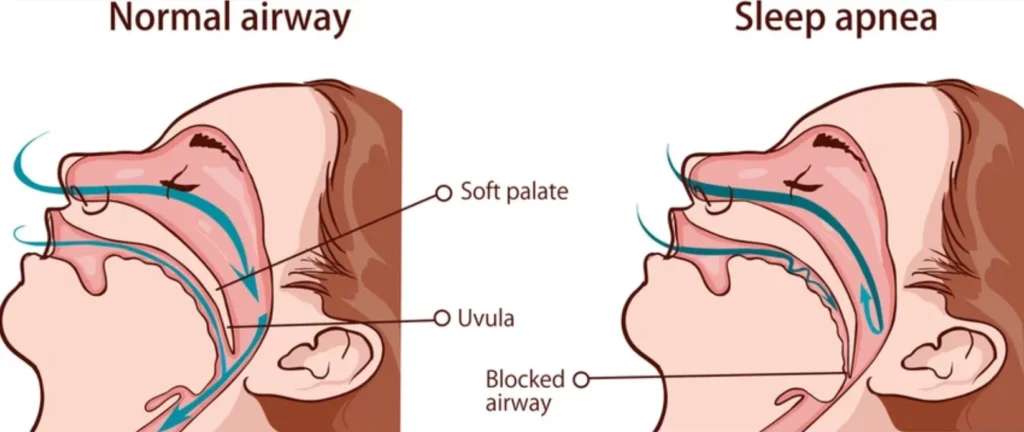
Many people turn to alcohol as a way to unwind and relax after a long day. It is true that alcohol can help you fall asleep faster, but the quality of your sleep is greatly affected. Drinking alcohol before bedtime can cause you to snore more loudly and frequently. This happens because alcohol relaxes the muscles in your throat, making them more likely to collapse and block your airway. As a result, you may experience snoring, gasping, or even pauses in breathing during the night.
Why It’s Important to Break the Cycle:
While snoring may seem like a minor annoyance, it can have serious consequences on your health. For one, it can lead to poor sleep quality, which can leave you feeling tired and irritable the next day. Chronic snoring can also increase the risk of developing sleep apnea, a serious sleep disorder where breathing repeatedly stops and starts during sleep. This can have a negative impact on your overall health, including an increased risk of heart disease, stroke, and diabetes.
Breaking the Cycle:
The good news is that the cycle of drinking and snoring can be broken. Here are some tips to help you get started:
1. Avoid Alcohol Before Bedtime:
The most obvious solution is to avoid drinking alcohol close to bedtime. Try to have your last drink at least two to three hours before you go to bed to allow your body enough time to metabolize the alcohol.
Drinking and Snoring: How to Break the Cycle
2. Stay Hydrated:
Drinking alcohol can dehydrate your body, which can lead to a dry throat and increased snoring. Make sure to drink plenty of water throughout the day to keep your body hydrated.
3. Sleep in a Proper Position:
Some sleeping positions can make snoring worse. Sleeping on your back, for example, can cause your tongue to fall back and block your airway. Try sleeping on your side or elevating your head with an extra pillow to keep your airway open.
4. Use Nasal Strips:
Nasal strips can help open up your nasal passages, making it easier for you to breathe and reducing snoring. They are a simple and non-invasive solution that can provide relief for snorers.
5. Try Oral Appliances:
Oral appliances are custom-made devices that can help keep your airway open while you sleep. They work by holding your jaw in a forward position, preventing the collapse of your throat muscles. Consult with your dentist or doctor to see if this option is right for you.
6. Seek Professional Help:
If your snoring is persistent and causing disruptions in your sleep, it’s important to seek professional help. Your doctor can help determine the underlying cause of your snoring and provide treatment options that are tailored to your specific needs.
The Benefits of Breaking the Cycle:
Breaking the cycle of drinking and snoring can have a positive impact on your health and overall well-being. By reducing your snoring, you can improve the quality of your sleep, leading to increased energy levels, improved mood, and better overall health. You may also notice a decrease in daytime sleepiness and a better ability to concentrate and focus.
In conclusion, while drinking may seem like a quick fix for a good night’s sleep, it can ultimately lead to snoring and disrupt your sleep. By following the tips mentioned above and seeking professional help if needed, you can break the cycle and improve your sleep quality. Remember, a good night’s sleep is crucial for your overall health and well-being.
Summary:
Drinking and snoring can create a vicious cycle that can be difficult to break. Drinking alcohol before bedtime can relax the muscles in your throat, leading to increased snoring and poor sleep quality. This can have serious consequences on your health, such as an increased risk of sleep apnea and other health issues. To break the cycle, it is important to avoid alcohol before bedtime, stay hydrated, sleep in a proper position, use nasal strips or oral appliances, and seek professional help if needed. Breaking the cycle can have numerous benefits, including improved sleep quality and overall health.