
Exploring the Relationship Between Snoring and Heart Failure
Snoring is a common sleep issue that affects millions of people worldwide. It is characterized by loud, hoarse noises made during sleep due to the vibration of the tissues in the throat. While snoring may seem like a harmless annoyance, recent research has shown that it may be linked to a more serious health condition – heart failure. In this blog post, we will explore the relationship between snoring and heart failure and discuss the potential risks and implications for individuals who suffer from snoring.
What is Heart Failure?
Before delving into the connection between snoring and heart failure, it is essential to understand what heart failure is. Also known as congestive heart failure, it is a chronic condition in which the heart is unable to pump enough blood to meet the body’s needs. This can be caused by various factors, including high blood pressure, coronary artery disease, and heart muscle damage. As a result, the body’s tissues and organs do not receive adequate oxygen and nutrients, leading to a range of symptoms such as fatigue, shortness of breath, and swelling in the legs.
Snoring and Sleep Apnea
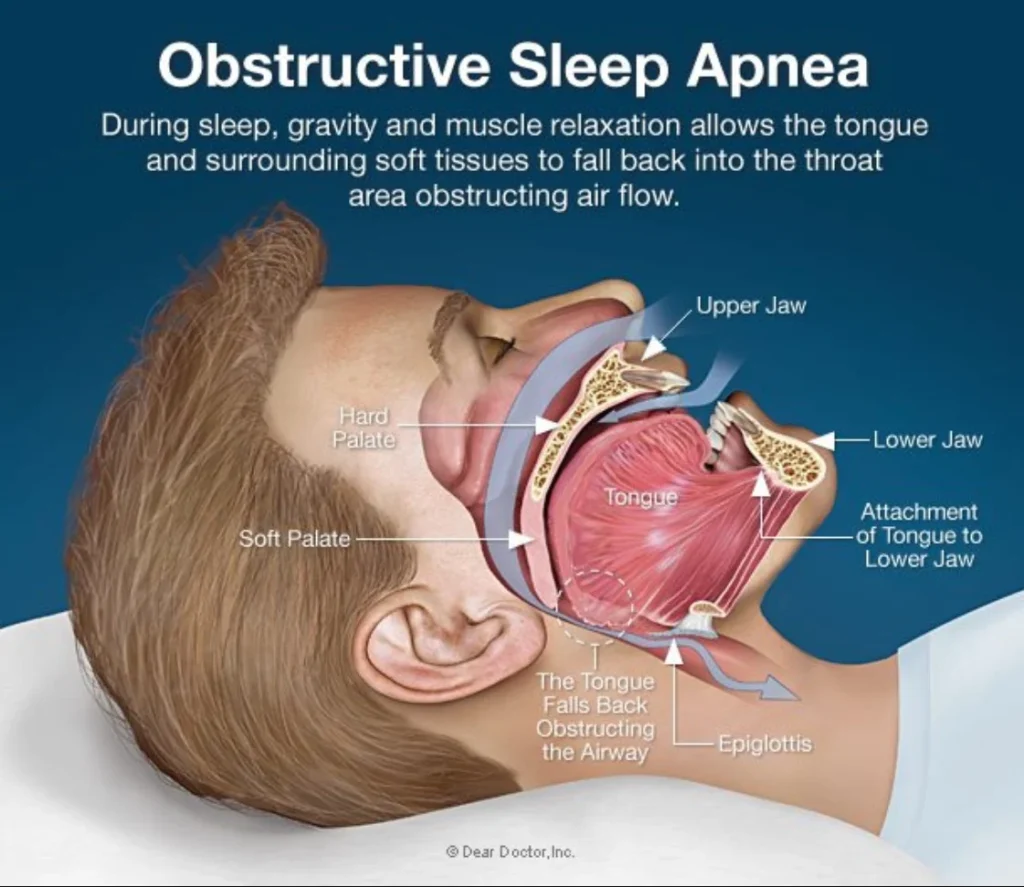
One of the most commonly known causes of snoring is sleep apnea. This is a sleep disorder characterized by pauses in breathing or shallow breathing during sleep. These pauses can last from a few seconds to minutes and can occur multiple times throughout the night. As a result, the brain and body may not receive enough oxygen, leading to a range of health issues, including heart failure.
The Connection Between Snoring and Heart Failure
Recent studies have shown a strong connection between snoring and heart failure. One study conducted by researchers at the University of Pittsburgh found that individuals who snore regularly are at a higher risk of developing heart failure. The researchers analyzed data from over 10,000 participants and found that those who snored were 34% more likely to develop heart failure than those who did not snore.
Another study published in the European Respiratory Journal also found a link between snoring and heart failure. The researchers followed over 6,000 participants for 11 years and found that those who snored had a higher risk of developing heart failure, even after accounting for other risk factors such as age, weight, and smoking.
Exploring the Relationship Between Snoring and Heart Failure
The Impact of Sleep Apnea on the Heart
As mentioned earlier, sleep apnea is a common cause of snoring. It is also known to increase the risk of heart failure. This is because the pauses in breathing during sleep can lead to a drop in oxygen levels, causing the heart to work harder to deliver enough oxygen to the body. Over time, this can lead to damage to the heart muscle, increasing the risk of heart failure.
In addition, sleep apnea is also associated with other risk factors for heart failure, such as high blood pressure, obesity, and diabetes. These factors can further increase the strain on the heart and contribute to the development of heart failure.
Treating Snoring to Reduce the Risk of Heart Failure
The good news is that treating snoring and sleep apnea can help reduce the risk of heart failure. One of the most effective treatments is the use of continuous positive airway pressure (CPAP) therapy. This involves wearing a mask over the nose and mouth during sleep, which delivers a constant flow of air to keep the airway open. This can help reduce snoring and prevent pauses in breathing, reducing the strain on the heart.
Lifestyle changes such as maintaining a healthy weight, quitting smoking, and avoiding alcohol close to bedtime can also help reduce snoring and improve sleep quality. In some cases, surgery may be recommended to correct structural issues in the nose or throat that may be contributing to snoring and sleep apnea.
Conclusion
In conclusion, snoring may seem like a harmless annoyance, but it can have serious implications for heart health. It is important for individuals who snore regularly to speak to their doctor and undergo a sleep study to determine if they have sleep apnea. Treating snoring and sleep apnea can not only improve sleep quality but also reduce the risk of heart failure. Making lifestyle changes and seeking appropriate medical treatment can help individuals with snoring and sleep apnea lead a healthier and happier life.
Summary: Snoring is a common sleep issue that may be linked to heart failure. Recent research has shown a strong connection between snoring and heart failure, with sleep apnea being a common cause. Sleep apnea can increase the risk of heart failure by causing drops in oxygen levels and contributing to other risk factors such as high blood pressure and obesity. Treating snoring and sleep apnea through lifestyle changes and medical interventions can help reduce the risk of heart failure and improve overall health.