
Summary: Pregnancy is a beautiful and miraculous time, but it can also come with its fair share of discomforts and challenges. For some expecting mothers, snoring and deviated septums can make the experience even more difficult. However, there are ways to manage and find relief for these issues during pregnancy. In this blog post, we will discuss the causes of snoring and deviated septums during pregnancy, the potential risks and complications, and practical tips for managing and finding relief.
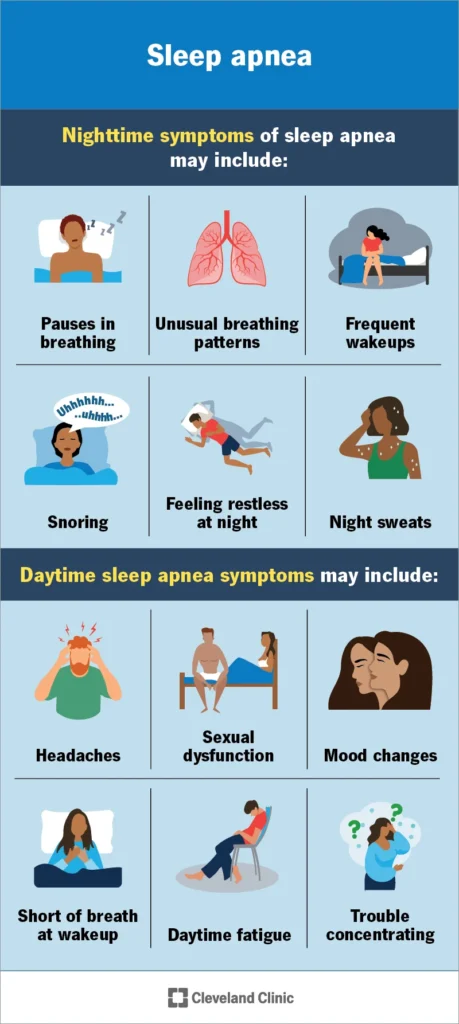
Snoring is a common issue during pregnancy, affecting approximately 30% of pregnant women. This is due to the increased weight and pressure on the airways caused by the growing uterus. Hormonal changes and nasal congestion are also contributing factors. Snoring can lead to poor sleep quality, which can result in fatigue, irritability, and difficulty concentrating.
Deviated septums, on the other hand, occur when the thin wall between the nostrils is off-center, making it difficult to breathe through one or both nostrils. This condition is often present before pregnancy but can worsen during this time due to the increased blood flow and swelling in the nasal passages. Deviated septums can also lead to snoring and poor sleep quality.
Both snoring and deviated septums can cause discomfort and affect the quality of life for pregnant women. However, they can also pose potential risks and complications for both the mother and the baby. Snoring has been linked to an increased risk of high blood pressure, preeclampsia, and gestational diabetes, while deviated septums can affect oxygen levels in the mother’s blood, which can also impact the baby’s growth and development.
Fortunately, there are ways to manage and find relief for these issues during pregnancy. The first step is to consult with your healthcare provider. They can evaluate the severity of your snoring or deviated septum and provide appropriate recommendations. In some cases, they may refer you to an otolaryngologist, also known as an ear, nose, and throat (ENT) specialist, for further evaluation and treatment.
Finding Relief: Managing Snoring and Deviated Septums During Pregnancy
Some practical tips for managing snoring and deviated septums during pregnancy include sleeping on your side, using a pregnancy pillow for support, elevating your head with an extra pillow, and using nasal strips or saline nasal sprays to improve breathing. It is also crucial to maintain a healthy weight and stay hydrated to reduce nasal congestion and swelling. Avoiding allergens and irritants such as smoke, dust, and strong scents can also help.
In some cases, your doctor may recommend a mandibular advancement device (MAD), a custom-made mouthpiece that helps keep the airway open during sleep. However, this should only be used under the guidance of your healthcare provider, as it may not be suitable for all pregnant women.
Surgery is typically not recommended during pregnancy unless it is an emergency. However, in rare cases where the snoring or deviated septum is causing severe complications, such as obstructive sleep apnea or chronic sinus infections, your doctor may discuss the option of surgery with you. It is essential to weigh the potential risks and benefits carefully before making a decision.
In addition to these practical tips, it is vital to prioritize self-care during pregnancy. Getting enough rest, staying active, and practicing relaxation techniques can help reduce stress and improve overall well-being, which can also help with snoring and deviated septum symptoms.
In conclusion, snoring and deviated septums during pregnancy can be challenging, but there are ways to manage and find relief. It is essential to consult with your healthcare provider and follow their recommendations. By prioritizing self-care and implementing practical tips, expecting mothers can improve their sleep quality and reduce the potential risks and complications associated with these issues. Remember, a happy and healthy mom leads to a happy and healthy baby.