
From Boozy Nights to Peaceful Sleep: How Avoiding Alcohol Can Reduce Snoring
Snoring is a common problem that affects millions of people around the world. While it may seem like a harmless annoyance, snoring can actually have negative effects on your health and well-being. One of the main causes of snoring is alcohol consumption. In this blog post, we will explore how avoiding alcohol can reduce snoring and improve your sleep.
The Link Between Alcohol and Snoring
Before we dive into how avoiding alcohol can reduce snoring, it’s important to understand the link between the two. When you consume alcohol, it relaxes the muscles in your body, including the muscles in your throat. This relaxation can cause your airway to become narrower, making it more difficult for air to pass through. As a result, the tissues in your throat vibrate, creating the snoring sound.
Additionally, alcohol can also lead to inflammation and congestion in your nasal passages, making it harder for you to breathe through your nose. This can also contribute to snoring as you are more likely to breathe through your mouth, which can cause the soft tissues in your throat to vibrate.
How Avoiding Alcohol Can Reduce Snoring
Now that we understand the connection between alcohol and snoring, let’s explore how avoiding alcohol can reduce snoring and improve your sleep.
1. Reduced Inflammation and Congestion
As mentioned earlier, alcohol can cause inflammation and congestion in your nasal passages, making it difficult to breathe through your nose. By avoiding alcohol, you can reduce this inflammation and congestion, allowing for easier breathing through your nose. This, in turn, can reduce or even eliminate snoring.
2. Better Sleep Quality
Alcohol consumption can disrupt your sleep cycle and prevent you from getting deep, restful sleep. This is because alcohol can disrupt the production of melatonin, a hormone that helps regulate your sleep-wake cycle. By avoiding alcohol, you can improve your sleep quality, leading to a decrease in snoring.
3. Reduced Weight Gain
Alcohol is high in calories and can contribute to weight gain. Excess weight, especially around the neck and throat area, can put pressure on your airway and lead to snoring. By avoiding alcohol, you can reduce your calorie intake and potentially lose weight, reducing the likelihood of snoring.
4. Improved Muscle Tone
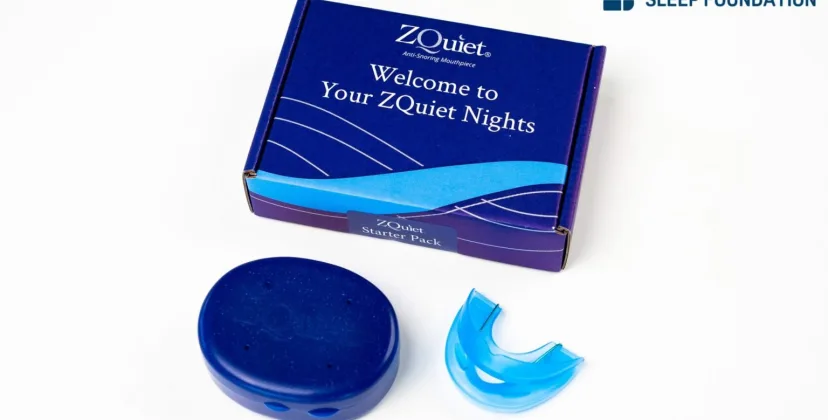
From Boozy Nights to Peaceful Sleep: How Avoiding Alcohol Can Reduce Snoring
As mentioned earlier, alcohol relaxes the muscles in your body, including the muscles in your throat. By avoiding alcohol, you can improve the tone of these muscles, making them less likely to collapse or vibrate during sleep. This can lead to a decrease in snoring.
5. Decreased Risk of Sleep Apnea
Snoring can also be a symptom of a more serious condition known as sleep apnea. Sleep apnea occurs when your airway becomes completely blocked, causing you to stop breathing for short periods of time during sleep. Alcohol consumption can increase the risk of sleep apnea, so avoiding alcohol can reduce this risk and improve your overall health.
Tips for Avoiding Alcohol and Reducing Snoring
If you’re looking to reduce your snoring by avoiding alcohol, here are some tips to help you get started:
1. Set Limits for Yourself
If you’re used to consuming alcohol regularly, suddenly cutting it out completely may be difficult. Instead, try setting limits for yourself, such as only drinking on weekends or limiting yourself to one or two drinks per day.
2. Find Other Ways to Relax
Many people turn to alcohol as a way to relax and unwind after a long day. However, there are many other ways to relax without alcohol, such as exercise, meditation, or taking a warm bath. Find what works best for you and try incorporating it into your daily routine.
3. Avoid Triggers
If certain events or situations tend to lead to excessive alcohol consumption for you, try to avoid them or have a plan in place to resist the temptation. For example, if you tend to drink heavily at social gatherings, try sticking to non-alcoholic beverages or setting a limit for yourself beforehand.
4. Seek Support
Changing your habits and avoiding alcohol can be challenging, so don’t be afraid to seek support from friends, family, or a support group. Having a support system can make the process easier and more successful.
In conclusion, avoiding alcohol can have a significant impact on reducing snoring and improving your sleep quality. By reducing inflammation and congestion in your nasal passages, improving muscle tone, and getting better quality sleep, you can say goodbye to boozy nights and hello to peaceful nights of uninterrupted sleep.