
From Espresso to Zzz’s: How Caffeine Affects Your Snoring
Caffeine is a stimulant that is found in many popular beverages such as coffee, tea, and energy drinks. It is known for its ability to keep us awake and alert, but did you know that it can also affect our snoring? In this blog post, we will explore the relationship between caffeine and snoring, as well as provide tips for managing snoring caused by caffeine consumption.
Caffeine and Snoring: The Connection
First, let’s understand how caffeine works. When we consume caffeine, it blocks the effects of adenosine, a chemical in the brain that promotes relaxation and drowsiness. This results in increased alertness and energy. However, caffeine also increases muscle activity in the body, including the muscles in our throat. This can lead to a narrower airway and cause snoring.
While occasional caffeine consumption may not have a significant effect on snoring, regular consumption can worsen snoring in some individuals. This is especially true for those who are already prone to snoring due to factors such as obesity, allergies, or sleep apnea.
Tips for Managing Caffeine-Induced Snoring
If you are a regular caffeine consumer and have noticed an increase in your snoring, here are some tips to help manage it:
1. Limit caffeine intake: The most obvious solution is to limit or cut back on your caffeine consumption. This may be easier said than done for some, but reducing your caffeine intake can have a positive impact on your snoring.
2. Avoid caffeine close to bedtime: Consuming caffeine within six hours of bedtime can disrupt your sleep, leading to a more restless night and potentially worsening your snoring. Try to avoid caffeine in the evening and opt for a non-caffeinated beverage instead.
3. Stay hydrated: Dehydration can contribute to snoring, so it’s essential to stay hydrated throughout the day. This will also help flush out caffeine from your system, reducing its effects on your snoring.
4. Elevate your head: If you find that you snore more after consuming caffeine, try sleeping with an extra pillow or propping up the head of your bed. This will help keep your airway open and reduce snoring.
From Espresso to Zzz's: How Caffeine Affects Your Snoring
5. Consider alternative beverages: If you can’t completely give up caffeine, consider switching to decaffeinated versions of your favorite drinks. Herbal teas, hot water with lemon, or even just plain water can be great alternatives to caffeinated beverages.
6. Consult a doctor: If you have tried these tips and are still experiencing excessive snoring, it’s essential to consult a doctor. They can help determine if your snoring is caused by caffeine or another underlying issue and provide appropriate treatment.
Other Factors that Affect Snoring
While caffeine can be a significant contributor to snoring, it’s essential to note that there are other factors that can also play a role. These include:
1. Smoking: Smoking irritates the tissues in the throat, leading to inflammation and narrowing of the airway. This can cause or worsen snoring.
2. Alcohol consumption: Like caffeine, alcohol is a muscle relaxant and can cause the throat muscles to relax, leading to snoring.
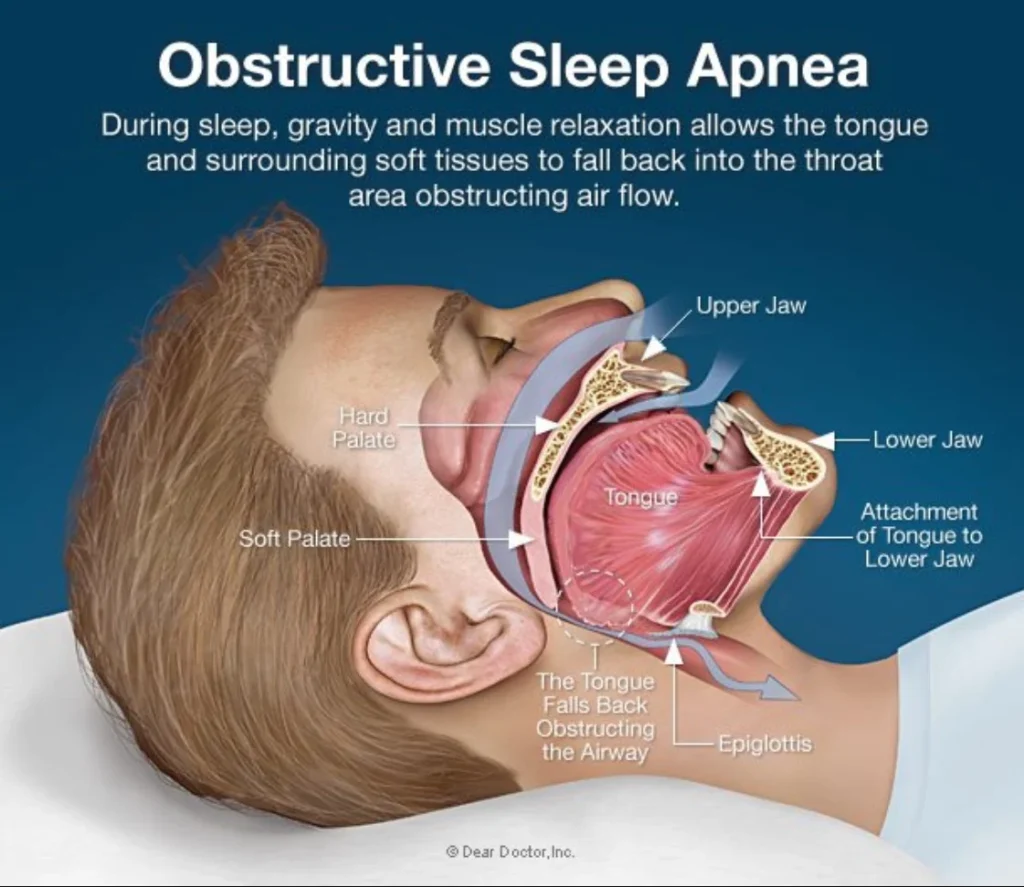
3. Sleeping position: Sleeping on your back can cause the tongue and soft tissues in the throat to collapse, obstructing the airway and causing snoring.
4. Allergies and congestion: Nasal congestion from allergies or a cold can make it difficult to breathe through the nose, leading to mouth breathing and snoring.
Conclusion
Caffeine can have a significant impact on our snoring, but it’s not the only factor to consider. By being mindful of our caffeine intake and implementing some simple strategies, we can effectively manage and reduce snoring caused by caffeine consumption. It’s also essential to address any underlying issues such as sleep apnea or allergies that may be contributing to snoring.
In summary, caffeine can increase muscle activity in the throat, leading to a narrower airway and snoring. Regular caffeine consumption can worsen snoring, and it’s essential to limit intake, avoid caffeine close to bedtime, and stay hydrated to manage snoring caused by caffeine. Other factors such as smoking, alcohol consumption, and sleeping position can also contribute to snoring, so it’s crucial to address these as well. If snoring persists, it’s best to consult a doctor for proper diagnosis and treatment.