
Menopause is a natural process that all women go through as they age, typically occurring in their late 40s or early 50s. While it marks the end of a woman’s reproductive years, menopause also brings about a multitude of physical and emotional changes, including hot flashes, mood swings, and sleep disturbances. In fact, sleep problems are one of the most common symptoms of menopause, affecting up to 61% of women. In this blog post, we will explore how menopause affects sleep, from hot flashes to snoring, and provide tips on how to improve sleep during this transition.
Hot Flashes and Night Sweats
One of the most well-known symptoms of menopause is hot flashes, which are sudden and intense feelings of heat that can cause sweating, flushing, and an increased heart rate. These can occur during the day, but they are especially disruptive at night, leading to night sweats that can drench the sheets and disrupt sleep. The exact cause of hot flashes is not fully understood, but it is believed to be related to hormonal changes and the body’s temperature regulation system.
Hot flashes and night sweats can greatly impact sleep quality and quantity. The sudden rise in body temperature can make it difficult to fall asleep and stay asleep. As a result, women going through menopause may experience frequent awakenings, leading to a fragmented and restless sleep. This can leave them feeling tired and irritable the next day, affecting their overall well-being and daily functioning.
Managing hot flashes and night sweats is crucial for improving sleep during menopause. Some tips to help reduce their frequency and severity include keeping the bedroom cool and using breathable sheets, wearing lightweight and loose-fitting sleepwear, and avoiding spicy foods, caffeine, and alcohol before bedtime. Additionally, practicing relaxation techniques such as deep breathing or meditation can help manage stress and reduce the intensity of hot flashes.
Hormonal Changes and Insomnia
During menopause, the body goes through a significant decline in estrogen and progesterone levels, which can have a direct impact on sleep. These hormones play a role in regulating the body’s sleep-wake cycle, and their decline can lead to insomnia, the inability to fall or stay asleep. Insomnia can manifest in different ways, including difficulty falling asleep, staying asleep, or waking up too early and not being able to fall back asleep.
The hormonal changes during menopause can also lead to other sleep disorders, such as sleep apnea and restless leg syndrome (RLS). Sleep apnea is a sleep disorder characterized by pauses in breathing or shallow breathing during sleep, which can result in daytime sleepiness and fatigue. RLS is a neurological condition that causes unpleasant sensations in the legs, leading to an irresistible urge to move them, often disrupting sleep.
To manage insomnia and other sleep disorders during menopause, it is essential to maintain a regular sleep schedule, avoid napping during the day, and create a comfortable sleep environment. Relaxation techniques, such as progressive muscle relaxation or guided imagery, can also help with falling asleep. If insomnia persists, it is important to consult a healthcare professional for further evaluation and treatment options.
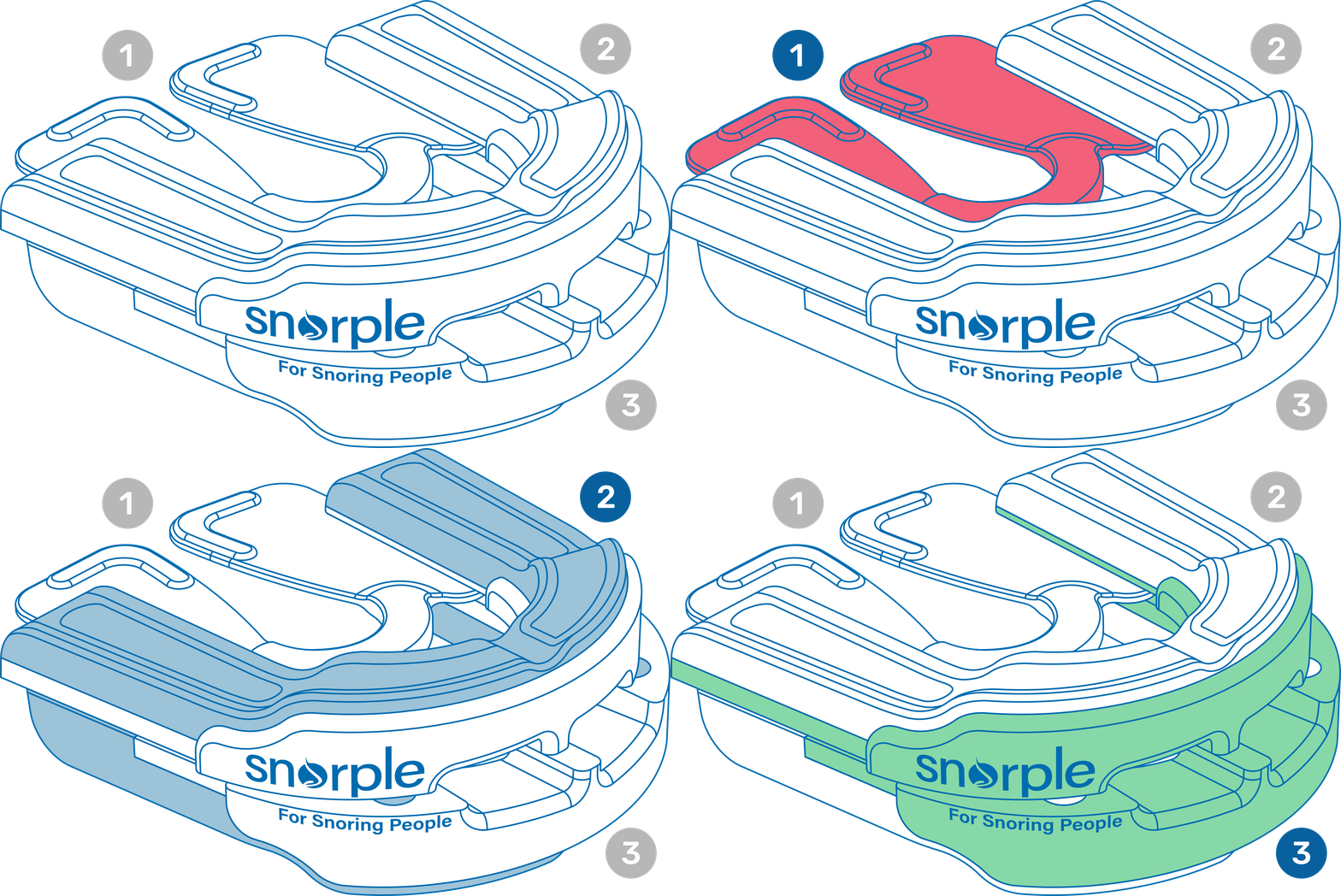
From Hot Flashes to Snoring: How Menopause Affects Your Sleep
Mood Changes and Sleep
Menopause can also bring about mood changes, such as irritability, anxiety, and depression. These emotional changes can have a significant impact on sleep, making it challenging to fall and stay asleep. Women going through menopause may experience racing thoughts, worry, and rumination, making it difficult to quiet the mind and relax into sleep.
In addition, hormonal changes during menopause can also affect the production of serotonin and melatonin, two neurotransmitters involved in regulating mood and sleep. A decrease in serotonin levels can lead to feelings of depression, while a decline in melatonin can disrupt the sleep-wake cycle and result in difficulty falling asleep or staying asleep.
To manage mood changes and improve sleep during menopause, it is important to prioritize self-care and seek support from loved ones or a therapist. Engaging in stress-reducing activities such as yoga, exercise, or spending time in nature can also help improve mood and promote better sleep. In some cases, a healthcare professional may recommend hormone therapy or other medications to alleviate mood symptoms and improve overall well-being.
Snoring and Sleep Apnea
As mentioned earlier, hormonal changes during menopause can contribute to sleep apnea, a sleep disorder characterized by loud snoring and pauses in breathing during sleep. This can be a result of the decrease in estrogen levels, which can lead to a loss of muscle tone in the throat, making it more likely for the airway to become obstructed during sleep.
Sleep apnea can have serious consequences on overall health, including an increased risk of cardiovascular disease, high blood pressure, and stroke. It can also lead to daytime sleepiness and fatigue, affecting daily functioning and quality of life.
If snoring and sleep apnea are disrupting your sleep during menopause, it is important to seek medical attention. A healthcare professional may recommend a sleep study to diagnose sleep apnea and provide treatment options such as continuous positive airway pressure (CPAP) therapy or oral appliances to improve breathing during sleep.
In conclusion, menopause can have a significant impact on sleep, leading to hot flashes, night sweats, insomnia, mood changes, and an increased risk of sleep apnea. It is essential to prioritize good sleep habits and seek support from healthcare professionals to manage these symptoms and promote better sleep during this transition. By understanding how menopause affects sleep and implementing strategies to improve sleep, women can navigate this natural process with greater ease and maintain their overall health and well-being.