
Summary:
Snoring is a common problem that affects millions of people worldwide. It not only disrupts the sleep of the person who snores, but also their partner and anyone else sharing the same room. More often than not, snoring is seen as a minor annoyance and is not given much attention. However, snoring can be a symptom of a serious sleep disorder called sleep apnea, which can have serious health implications if left untreated.
In this blog post, we will discuss the causes and effects of snoring, as well as tips and techniques to break the snoring cycle and get a good night’s sleep. We will also talk about the importance of seeking medical assistance if snoring is a persistent problem, as it could be a sign of a more serious underlying issue.
Causes of Snoring:
Snoring occurs when the air flow through the nose and mouth is obstructed during sleep. This can be due to a variety of reasons such as:
1. Obstructed Nasal Airways: Allergies, sinus infections, a deviated septum, or a nasal polyp can cause blockage in the nasal passages, leading to snoring.
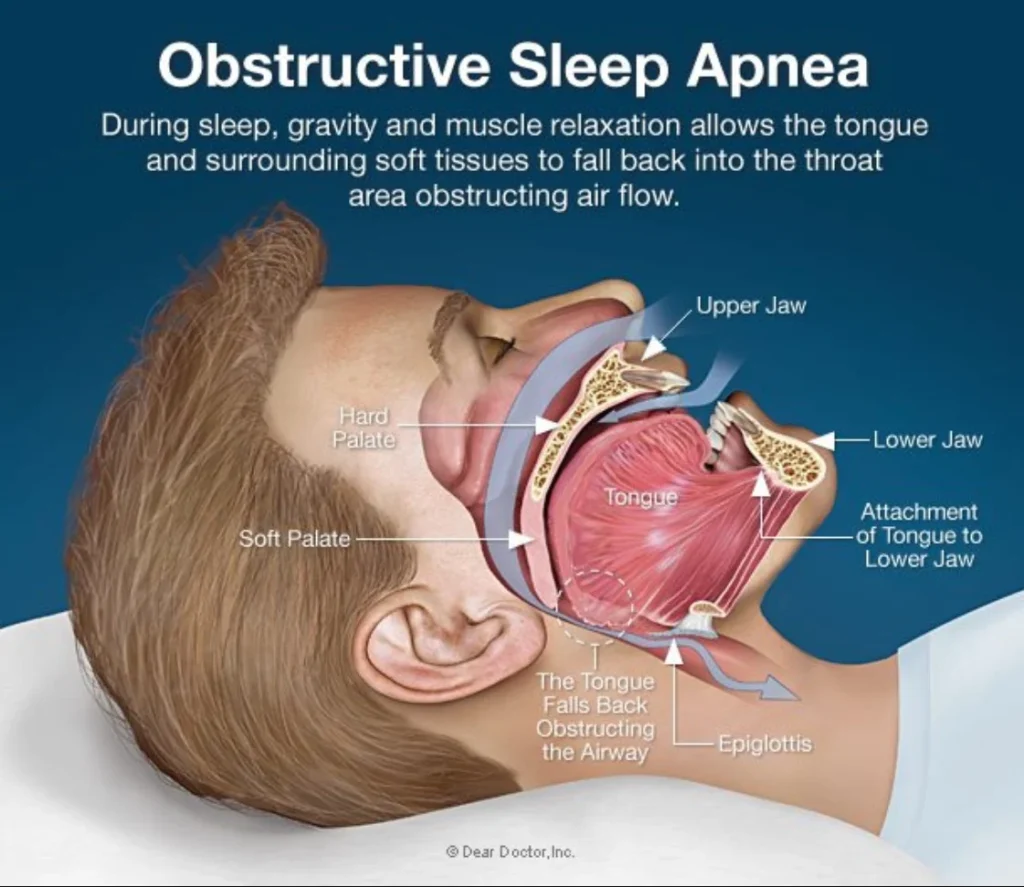
2. Poor Sleep Position: Sleeping on your back can cause the tongue to fall back and obstruct the airway, resulting in snoring.
3. Excess Weight: Being overweight or obese can lead to excess fat around the neck, which can put pressure on the airway and cause snoring.
4. Alcohol Consumption: Alcohol relaxes the muscles in the throat, which can cause them to collapse and obstruct the airway during sleep.
5. Aging: As we age, our throat muscles become weaker, making them more prone to collapse and cause snoring.
Effects of Snoring:
From Snooze to Energized: Breaking the Snoring Cycle
Snoring not only disrupts the sleep of the person who snores, but also their partner and anyone else sharing the same room. This can lead to daytime fatigue, irritability, and difficulty concentrating. In addition, snoring can also cause strain on relationships and lead to sleep disturbances for both partners.
Breaking the Snoring Cycle:
1. Maintain a Healthy Weight: Losing excess weight can help reduce snoring as it reduces the pressure on the airway.
2. Change Sleep Positions: Sleeping on your side can help prevent the tongue from falling back and obstructing the airway.
3. Avoid Alcohol and Sedatives: Avoiding alcohol and sedatives before bedtime can help reduce snoring as they relax the throat muscles and contribute to airway obstruction.
4. Keep Nasal Passages Clear: If you have allergies or a sinus infection, it is important to keep your nasal passages clear to prevent snoring.
5. Use Nasal Strips: Nasal strips can help keep the nasal passages open and prevent snoring.
6. Seek Medical Assistance: If snoring persists despite trying these techniques, it is important to seek medical assistance. A doctor can help determine if the snoring is a symptom of a more serious sleep disorder such as sleep apnea.
Sleep Apnea:
Sleep apnea is a serious sleep disorder where a person’s breathing is repeatedly interrupted during sleep. This can lead to reduced oxygen levels in the body, which can have serious health implications such as high blood pressure, heart disease, and stroke. It is important to seek medical assistance if snoring is accompanied by other symptoms such as daytime sleepiness, morning headaches, and difficulty breathing during sleep.
In conclusion, snoring is not just a minor annoyance, but can be a symptom of a serious sleep disorder. By following these tips and seeking medical assistance if necessary, you can break the snoring cycle and get a good night’s sleep. Remember, a good night’s sleep is crucial for our overall health and well-being.