
From Snoring to Sleep Paralysis: How a Mouthpiece Can Make a Difference
Do you struggle with snoring or sleep paralysis? Both of these sleep disorders can have a major impact on your overall health and well-being. Fortunately, there is a solution that can help with both of these issues – a mouthpiece. In this blog post, we will explore the connection between snoring and sleep paralysis, and how a mouthpiece can make a difference in improving your sleep and overall health.
Understanding Snoring and Sleep Paralysis
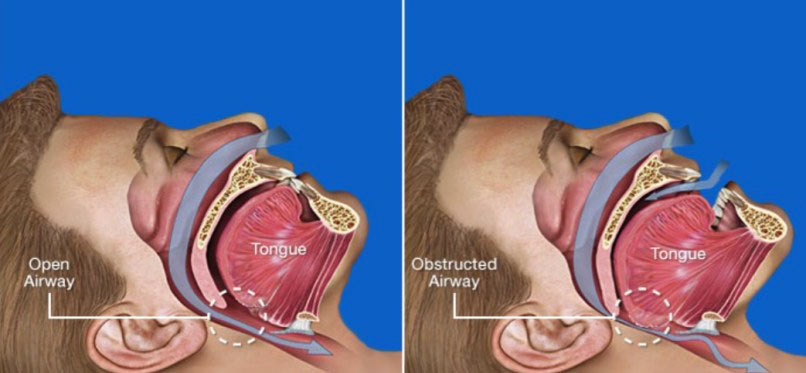
First, let’s start by defining what snoring and sleep paralysis are. Snoring is a common sleep disorder that is characterized by loud and disruptive breathing sounds during sleep. It occurs when the muscles in the throat relax, causing the airway to narrow and vibrate as air passes through. This can lead to fragmented sleep and poor quality rest.
On the other hand, sleep paralysis is a condition that causes a temporary inability to move or speak while falling asleep or waking up. It occurs when the body is transitioning between the stages of sleep and wakefulness. This can be a frightening experience, as individuals may feel like they are awake but unable to move or speak.
The Connection Between Snoring and Sleep Paralysis
While snoring and sleep paralysis may seem like two completely different sleep disorders, they are actually closely related. One of the main causes of sleep paralysis is poor quality sleep, which can be a result of snoring. When an individual snores, their breathing is disrupted, leading to frequent awakenings throughout the night. This can disrupt the natural sleep cycle and prevent the body from entering into deep, restorative sleep.
Additionally, snoring can also lead to other health issues such as sleep apnea, which is a serious sleep disorder that causes pauses in breathing during sleep. This can further contribute to poor sleep quality and increase the risk of developing sleep paralysis.
How a Mouthpiece Can Help
From Snoring to Sleep Paralysis: How a Mouthpiece Can Make a Difference
A mouthpiece, also known as a mandibular advancement device, can help with snoring and sleep paralysis by improving the airway and promoting better sleep. This device is designed to be worn in the mouth while sleeping, and it works by holding the jaw in a forward position to prevent the airway from collapsing. This allows for a more open airway and smoother airflow, reducing the vibrations that cause snoring and improving sleep quality.
In addition to reducing snoring, a mouthpiece can also help with sleep paralysis. By promoting better sleep, the likelihood of experiencing sleep paralysis is reduced. Additionally, the mouthpiece can help prevent the tongue from falling back and obstructing the airway, which is often a contributing factor to sleep paralysis.
Choosing the Right Mouthpiece
There are various types of mouthpieces available in the market, but it is important to choose one that is specifically designed for snoring and sleep apnea. It is recommended to consult with a sleep specialist or dentist to determine the best type of mouthpiece for your specific needs. They can also provide a custom-fit mouthpiece that will be more comfortable and effective.
Other Tips for Better Sleep
While a mouthpiece can be a game-changer for snoring and sleep paralysis, there are also other lifestyle changes that can improve sleep quality. These include maintaining a regular sleep schedule, avoiding caffeine and heavy meals close to bedtime, and creating a comfortable sleep environment.
Summary
Snoring and sleep paralysis are two common sleep disorders that can greatly impact an individual’s quality of life. They are closely related, with snoring often being a contributing factor to sleep paralysis. Fortunately, a mouthpiece can make a significant difference in improving both of these conditions. By promoting better sleep and keeping the airway open, a mouthpiece can help reduce snoring and prevent sleep paralysis.
In conclusion, if you struggle with snoring and sleep paralysis, it may be worth considering a mouthpiece as a solution. It is important to consult with a sleep specialist or dentist to determine the best type of mouthpiece for your needs. With a little help from a mouthpiece and some healthy sleep habits, you can say goodbye to snoring and sleep paralysis and hello to a good night’s sleep.