
Caffeine is a stimulant found in many popular beverages, such as coffee, tea, soda, and energy drinks. While it can give you a temporary boost of energy and alertness, it can also have negative effects on your overall health. One of these effects is snoring. If you are someone who snores or shares a bed with someone who does, you know how disruptive and frustrating it can be. However, did you know that cutting back on caffeine can actually reduce your snoring? In this blog post, we will explore the relationship between caffeine and snoring and provide tips on how to cut back on caffeine to improve your sleep and reduce snoring.
First, let’s understand why caffeine can contribute to snoring. When you consume caffeine, it increases your heart rate and blood pressure, making your breathing more shallow and rapid. This can lead to snoring because your airways become more restricted and your body has to work harder to breathe. Additionally, caffeine can cause muscle tension, including the muscles in your throat and mouth, which can also lead to snoring.
Now that we know how caffeine can contribute to snoring, let’s discuss how cutting back on caffeine can reduce it. The most obvious way is by reducing the stimulating effects of caffeine on your body. By consuming less caffeine, your heart rate and blood pressure will not be as affected, and your breathing will not be as shallow and rapid. This means your airways will not be as restricted, and you will have an easier time breathing, reducing the likelihood of snoring.
Another way cutting back on caffeine can reduce snoring is by improving sleep quality. Caffeine is a known sleep disruptor, making it harder for you to fall asleep and stay asleep. This can lead to fatigue and exhaustion, which can contribute to snoring. By cutting back on caffeine, you can improve your sleep quality and reduce the likelihood of snoring.
But how much caffeine is too much? The recommended daily limit for caffeine consumption is 400 milligrams, which is equivalent to about four cups of coffee. However, this amount can vary from person to person, and some people may be more sensitive to caffeine than others. It’s essential to pay attention to how your body reacts to caffeine and adjust your consumption accordingly. If you are experiencing snoring or other sleep issues, it may be a sign that you are consuming too much caffeine.
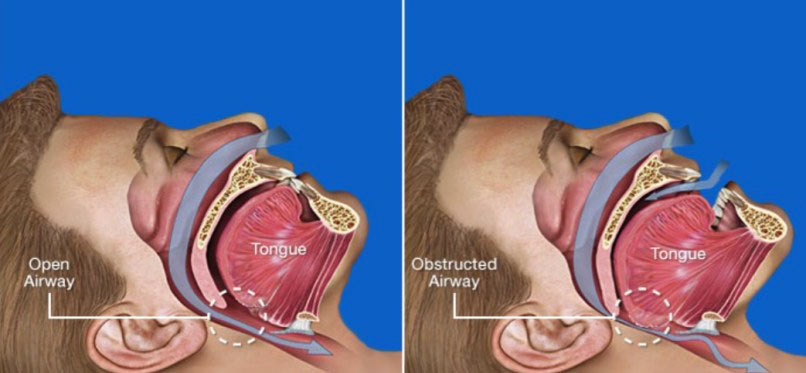
How Cutting Back on Caffeine Can Reduce Your Snoring
Now that we understand the relationship between caffeine and snoring let’s explore some tips on how to cut back on caffeine to reduce snoring. First, start by gradually decreasing your caffeine intake. Suddenly cutting out caffeine completely can lead to withdrawal symptoms such as headaches and fatigue. Instead, try reducing your consumption by one cup of coffee or tea per day until you reach a comfortable level.
Next, pay attention to the timing of your caffeine consumption. Try to avoid caffeine within six hours of bedtime to give your body enough time to process it before you go to sleep. You can also switch to decaffeinated versions of your favorite beverages or opt for herbal teas that do not contain caffeine.
Another helpful tip is to stay hydrated. Often, we reach for caffeine when we are feeling tired or sluggish, but dehydration can also contribute to these feelings. By staying hydrated throughout the day, you can reduce the need for caffeine and improve your overall health.
Finally, consider alternative ways to boost your energy and alertness. Instead of relying on caffeine, try going for a walk, practicing deep breathing exercises, or taking a power nap. These natural methods can help you feel more energized without the negative effects of caffeine.
In summary, cutting back on caffeine can reduce your snoring in multiple ways. By reducing the stimulating effects of caffeine, improving sleep quality, and paying attention to your caffeine intake and timing, you can see a significant improvement in your snoring. Remember to listen to your body and make adjustments as needed. By making small changes to your caffeine consumption, you can improve your sleep and overall health.