
Snoring is a common problem that affects millions of people worldwide. While it may seem like a harmless nuisance, snoring can actually have a significant impact on your overall health, including your teeth and gums. In this blog post, we will explore the connection between snoring and dental health, and how snoring can affect your teeth and gums.
What Causes Snoring?
Before diving into the effects of snoring on dental health, it’s important to understand what causes snoring in the first place. Snoring occurs when the airway in the back of the throat becomes partially blocked, causing vibrations in the tissues of the throat. This blockage can be due to several factors, including:
1. Obstructive Sleep Apnea (OSA): OSA is a sleep disorder where the muscles in the throat relax and block the airway during sleep.
2. Nasal Obstruction: This can be caused by allergies, a deviated septum, or other structural issues in the nose.
3. Obesity: Excess weight can lead to extra tissue in the throat, which can block the airway.
4. Alcohol Consumption: Alcohol relaxes the muscles in the throat, making it easier for them to collapse and block the airway.
How Snoring Affects Dental Health
1. Dry Mouth: When you snore, your mouth tends to open, causing the air to pass through your mouth instead of your nose. This can lead to dry mouth, which can be harmful to your dental health. Saliva plays a crucial role in neutralizing acids and bacteria in the mouth, so a lack of saliva can increase the risk of tooth decay and gum disease.
2. Teeth Grinding: Snoring can also lead to teeth grinding, also known as bruxism. The vibrations in the throat can cause the teeth to rub against each other, leading to wear and tear on the enamel. This can result in tooth sensitivity, cracked teeth, and even tooth loss.
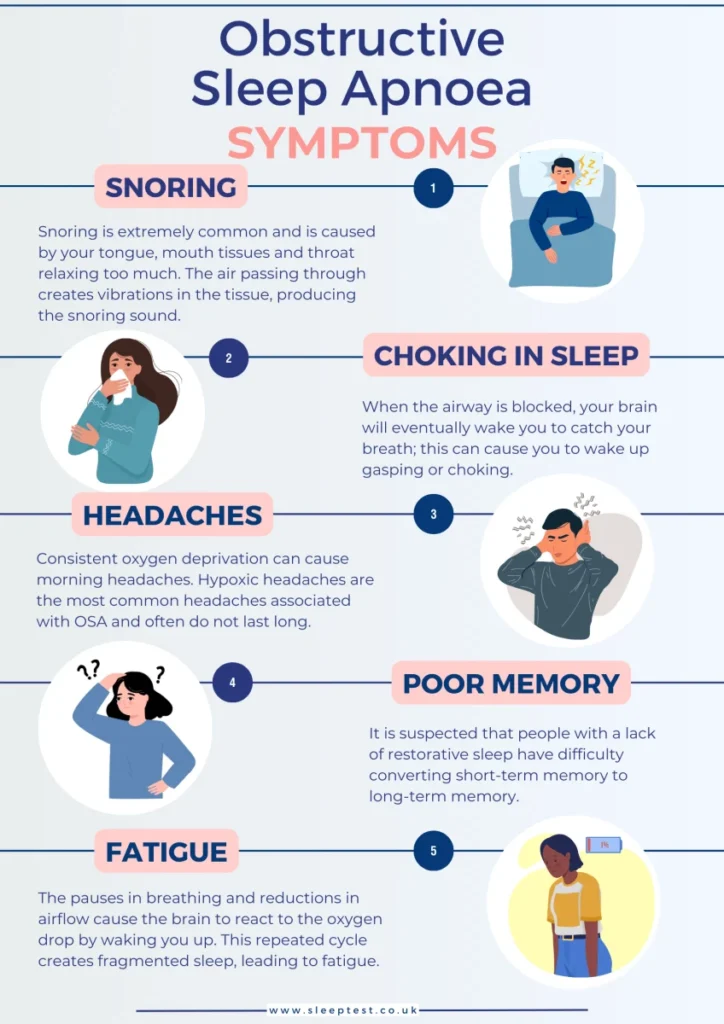
How Snoring Affects Your Teeth and Gums
3. Gum Disease: Snoring can also increase the risk of gum disease. The dry mouth caused by snoring can create an ideal environment for bacteria to thrive, leading to plaque buildup and gum inflammation. Additionally, sleep apnea, a common cause of snoring, has been linked to an increased risk of gum disease.
4. Jaw Misalignment: In some cases, snoring can be a sign of a misaligned jaw. The constant pressure on the jaw caused by snoring can lead to temporomandibular joint (TMJ) disorder, which can cause jaw pain, headaches, and difficulty chewing.
5. Sleep Apnea: As mentioned earlier, snoring can be a symptom of sleep apnea. This condition not only affects your sleep quality but has also been linked to an increased risk of high blood pressure, heart disease, and stroke. It can also cause dry mouth, teeth grinding, and jaw misalignment, all of which can have a negative impact on your dental health.
How to Protect Your Teeth and Gums from Snoring
1. Practice Good Oral Hygiene: Brushing your teeth twice a day, flossing daily, and using an antibacterial mouthwash can help prevent tooth decay and gum disease.
2. Stay Hydrated: Drinking plenty of water can help combat dry mouth and maintain a healthy saliva flow.
3. Use a Humidifier: Running a humidifier in your bedroom can help keep the air moist and prevent dry mouth.
4. Wear a Mouthguard: If you suffer from bruxism or jaw misalignment due to snoring, a mouthguard can help protect your teeth and alleviate discomfort.
5. Seek Treatment for Sleep Apnea: If you suspect that your snoring is due to sleep apnea, it’s important to seek treatment from a medical professional. This can not only help improve your sleep quality but also protect your overall health, including your dental health.
In conclusion, snoring can have a significant impact on your teeth and gums, from dry mouth to jaw misalignment and gum disease. It’s important to address snoring and seek treatment if necessary to protect your dental health. By practicing good oral hygiene and seeking medical treatment for sleep apnea, you can help prevent potential dental issues caused by snoring.
SEO metadata: