
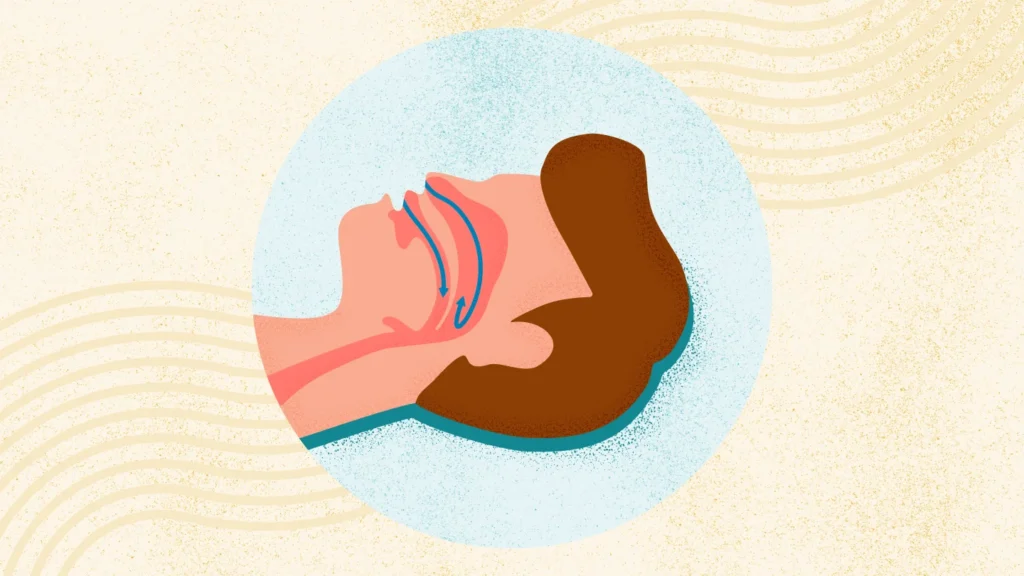
CPAP (continuous positive airway pressure) therapy is a common treatment for snoring and sleep apnea, a condition where the airway becomes partially or completely blocked during sleep. This can result in loud snoring, pauses in breathing, and disrupted sleep patterns. CPAP therapy involves using a machine to deliver a constant stream of air pressure to keep the airway open and prevent snoring. If you or a loved one has been diagnosed with sleep apnea or struggles with snoring, here is a guide on how to get started with CPAP therapy.
1. Consult with a Sleep Specialist
The first step in getting started with CPAP therapy is to consult with a sleep specialist. They will evaluate your symptoms, medical history, and may recommend a sleep study to confirm a diagnosis of sleep apnea. A sleep study can be done at a sleep center or at home with a portable monitor. This will provide valuable information on the severity of your sleep apnea and help determine the appropriate treatment plan.
2. Get a Prescription
Once a diagnosis of sleep apnea has been confirmed, your sleep specialist will provide a prescription for a CPAP machine. This prescription is necessary for insurance coverage and to purchase the machine. It is important to follow the prescription and recommendations of your sleep specialist for the best results.
3. Choose the Right CPAP Machine
There are various types of CPAP machines available, so it is important to choose the one that best suits your needs. The most common type is the standard CPAP machine, which delivers a constant pressure throughout the night. However, there are also auto-adjusting CPAP machines that can vary the pressure based on your needs, as well as bi-level machines that provide different levels of pressure for inhaling and exhaling. Your sleep specialist can help you determine which type of machine is best for you.
4. Consider Additional Features
In addition to the basic functions, CPAP machines may also come with additional features that can enhance your comfort and improve your therapy. For example, some machines have a heated humidifier to prevent dryness in the airways, while others have a ramp feature that gradually increases the air pressure to help you fall asleep. Other features to consider include mask fit detection, mask off alert, and data tracking capabilities. Your sleep specialist can help you decide which features are necessary for your specific needs.
5. Find the Right Mask
The mask is a crucial component of CPAP therapy as it delivers the air pressure to your airway. There are various types of masks available, including nasal masks, full-face masks, and nasal pillows. It is important to find the right mask that fits comfortably and securely, as an ill-fitting mask can lead to leaks and reduced effectiveness of the therapy. Your sleep specialist can assist you in finding the right mask and adjusting it for optimal fit.
How to Get Started with CPAP Therapy for Snoring
6. Get Familiar with the Machine
Before using the CPAP machine at home, it is important to get familiar with its functions and settings. Your sleep specialist or a healthcare provider can walk you through the setup and use of the machine, as well as answer any questions you may have. It is also recommended to practice wearing the mask and using the machine during the day to get used to the feeling and to make any necessary adjustments.
7. Use the Machine Consistently
Consistency is key when it comes to CPAP therapy. It is important to use the machine every night for the recommended hours (usually 7-9 hours) for the best results. Skipping nights or only using the machine for a few hours can lead to disrupted sleep and reduced effectiveness of the therapy. It may take some time to adjust to using the machine every night, but with patience and persistence, it can become a habit.
8. Keep Your Machine Clean
To ensure the effectiveness and longevity of your CPAP machine, it is important to keep it clean and well-maintained. This includes regularly washing the mask, tubing, and humidifier with mild soap and water, as well as replacing the filters and other parts as recommended by the manufacturer. A dirty machine can lead to bacteria buildup and affect the quality of the air you breathe in.
9. Monitor Your Progress
Regularly monitoring your progress and symptoms is important to determine the effectiveness of your CPAP therapy. Keep a sleep diary to track your sleep patterns, snoring, and any other symptoms. This can help your sleep specialist make any necessary adjustments to your treatment plan.
In conclusion, CPAP therapy is an effective treatment for snoring and sleep apnea. Consult with a sleep specialist, get a prescription, choose the right machine and mask, and use it consistently for the best results. With proper care and maintenance, your CPAP machine can improve your sleep quality and overall health.
Meta Description: Learn how to get started with CPAP therapy for snoring and sleep apnea, including choosing the right machine and mask, and maintaining the machine for optimal results.