
Title: How to Sleep Peacefully with a Partner Who Has Snoring and Deviated Septum: 44 Tips
Do you have a partner who snores loudly and has a deviated septum? Are you tired of being constantly woken up in the middle of the night by their loud snoring? You are not alone. Many couples struggle with this issue, and it can create tension and disrupt the quality of sleep for both partners. However, there are ways to peacefully coexist and get a good night’s rest even if your partner has snoring and a deviated septum. In this blog post, we will discuss 44 tips on how to sleep peacefully with a partner who has snoring and deviated septum.
1. Address the issue: The first step to finding a solution is to address the problem. Talk to your partner about their snoring and deviated septum and how it affects your sleep. It is important to approach the conversation with empathy and understanding.
2. Educate yourself: Do some research on snoring and deviated septum. Understanding the causes and potential solutions can help you find the right approach for your situation.
3. Encourage your partner to seek medical help: Snoring and deviated septum can be signs of underlying health issues that need to be addressed. Encourage your partner to see a doctor for a proper diagnosis and treatment.
4. Use earplugs: Earplugs can help block out the noise and allow you to sleep peacefully through your partner’s snoring.
5. Try white noise: White noise machines or apps can also help drown out the sound of snoring and create a soothing environment for sleep.
6. Invest in a good mattress: A comfortable and supportive mattress can help reduce the impact of your partner’s movements and snoring on your sleep.
7. Get separate bedding: Consider getting separate bedding, such as a twin-sized duvet or blanket, to avoid the tug of war over the covers.
8. Elevate the head of the bed: Elevating the head of the bed can help reduce snoring by opening up the airways. You can use a wedge pillow or raise the head of the bed by a few inches.
9. Use nasal strips: Nasal strips can help open up the nasal passages and reduce snoring.
10. Try nasal dilators: Nasal dilators are small devices that are inserted into the nostrils to keep them open and improve airflow.
11. Use a humidifier: Dry air can irritate the nasal passages and make snoring worse. Using a humidifier can add moisture to the air and reduce snoring.
12. Avoid alcohol and sedatives: Alcohol and sedatives can relax the muscles in the throat and make snoring worse. Avoid consuming them before bedtime.
13. Lose weight: Excess weight can contribute to snoring. Encourage your partner to maintain a healthy weight to reduce snoring.
14. Practice good sleep hygiene: Good sleep hygiene, such as avoiding caffeine before bedtime and establishing a bedtime routine, can promote better sleep for both you and your partner.
15. Try positional therapy: Some people snore more when lying on their back. Encourage your partner to sleep on their side or stomach to reduce snoring.
16. Consider oral appliances: Oral appliances, such as mouthguards, can help keep the airways open and reduce snoring.
17. Use a tennis ball trick: If your partner tends to roll onto their back while sleeping, sew a tennis ball onto the back of their pajama top. This will make it uncomfortable for them to sleep on their back and encourage them to stay on their side.
18. Seek treatment for allergies: Allergies can contribute to a deviated septum and snoring. Seek treatment to reduce allergy symptoms and improve sleep.
19. Try essential oils: Certain essential oils, such as peppermint and eucalyptus, can help open up the airways and reduce snoring.
20. Use nasal irrigation: Nasal irrigation, also known as nasal flushing, can help clear out the nasal passages and reduce snoring.
21. Avoid eating heavy meals before bedtime: Eating heavy meals can cause indigestion and make snoring worse. Avoid eating at least two hours before bedtime.
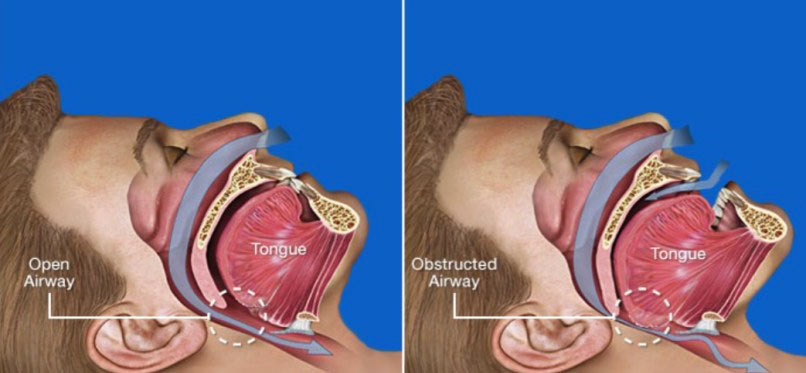
How to Sleep Peacefully with a Partner Who Has Snoring and Deviated Septum: 44 Tips
22. Use a mouthpiece: A mouthpiece, also known as a mandibular advancement device, can help keep the airways open and reduce snoring.
23. Seek treatment for sleep apnea: Sleep apnea is a serious sleep disorder that can cause snoring and interrupted breathing. If your partner has sleep apnea, it is important to seek medical treatment.
24. Try a CPAP machine: A CPAP (continuous positive airway pressure) machine is a common treatment for sleep apnea. It helps keep the airways open and provides a continuous flow of air.
25. Practice relaxation techniques: Stress and tension can make snoring worse. Encourage your partner to practice relaxation techniques, such as meditation or deep breathing, before bedtime.
26. Use a fan: A fan can create a soothing and constant noise that can help drown out the sound of snoring.
27. Try a mouth and nose guard: If your partner’s snoring is caused by a deviated septum, a mouth and nose guard can help keep the airways open and reduce snoring.
28. Use a nasal spray: Nasal sprays can help reduce inflammation and clear out the nasal passages, improving airflow and reducing snoring.
29. Consider surgery: In some cases, surgery may be necessary to correct a deviated septum and reduce snoring. Consult with a doctor to explore your options.
30. Use a snoring app: There are various apps available that can record and analyze snoring patterns, helping you and your partner find the right solution.
31. Avoid smoking: Smoking can irritate the throat and make snoring worse. Encourage your partner to quit smoking for the sake of their overall health and to reduce snoring.
32. Try throat exercises: Certain throat exercises, such as singing or playing a wind instrument, can help strengthen the muscles in the throat and reduce snoring.
33. Encourage your partner to sleep on a regular schedule: A regular sleep schedule can help improve sleep quality and reduce snoring.
34. Use a throat spray: Throat sprays can help lubricate the throat and reduce snoring.
35. Try acupressure: Acupressure involves applying pressure to specific points on the body to help alleviate various health issues, including snoring.
36. Consider dental work: In some cases, dental issues may contribute to snoring. Consult with a dentist to see if any dental work is needed.
37. Use a decongestant: Decongestants can help clear out the nasal passages and improve airflow, reducing snoring.
38. Practice tongue exercises: Certain tongue exercises can help strengthen the muscles in the tongue and reduce snoring.
39. Use an anti-snoring pillow: Anti-snoring pillows are designed to keep the head and neck in a proper position to reduce snoring.
40. Consider a nasal valve: Nasal valves are small devices inserted into the nostrils to keep them open and improve airflow.
41. Use a customized mouthpiece: A customized mouthpiece can be made to fit your partner’s mouth and help keep the airways open while sleeping.
42. Get enough sleep: Both you and your partner should aim to get enough sleep to reduce the chances of snoring.
43. Seek support from a therapist: Snoring and deviated septum can take a toll on a relationship. Seek support from a therapist if needed to work through any issues that may arise.
44. Be patient and understanding: Finding a solution to snoring and deviated septum takes time and patience. Be understanding and supportive of your partner throughout the process.
In summary, sleeping peacefully with a partner who has snoring and deviated septum is possible. It may take some trial and error to find the right solution, but with patience, understanding, and possibly medical intervention, you and your partner can enjoy restful and peaceful nights together.