
Summary:
Menopause is a natural process that all women go through as they age, typically occurring between the ages of 45-55. While menopause brings many physical and emotional changes, one surprising side effect is an increase in snoring. This can be a frustrating and disruptive issue for both the snorer and their partner. However, there are many solutions to help alleviate snoring and improve sleep during menopause.
First, it’s important to understand why menopause may be causing your snoring. During menopause, there is a decrease in the hormone estrogen, which can lead to changes in the throat and airway muscles. This can cause them to become more relaxed, leading to snoring. Additionally, weight gain and changes in sleep patterns during menopause can also contribute to snoring.
To address snoring during menopause, there are 42 solutions that can be implemented. Some of these solutions include lifestyle changes, such as maintaining a healthy weight, avoiding alcohol and sedatives before bedtime, and sleeping in a slightly elevated position. Other solutions involve using devices and products, such as nasal strips, oral appliances, and specialized pillows, to help keep the airway open during sleep.
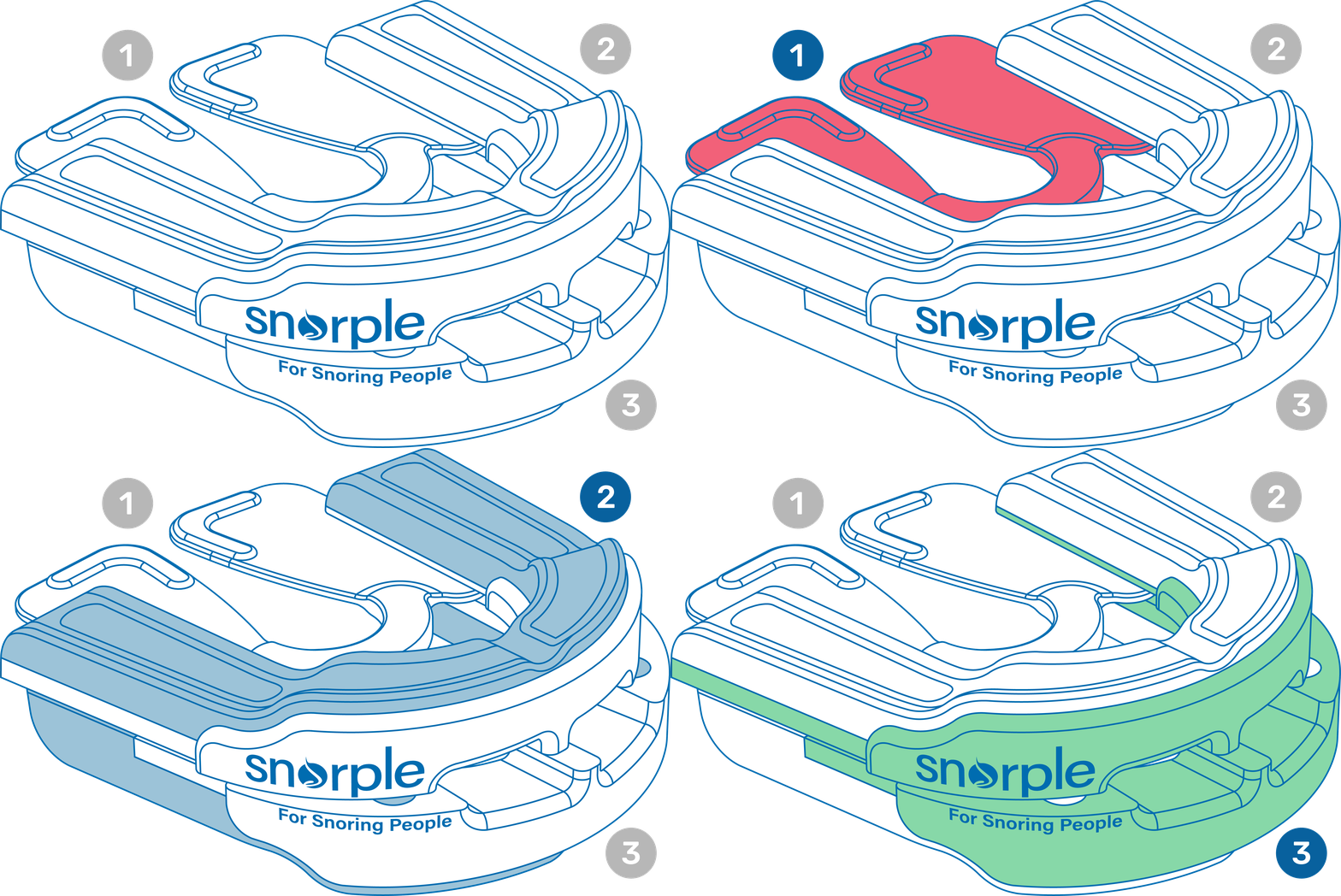
Is Menopause Causing Your Snoring? 42 Solutions to Help You Sleep Better
In addition to these solutions, there are also natural remedies that can be effective in reducing snoring during menopause. These include herbal supplements, essential oils, and breathing exercises. It’s important to consult with a healthcare professional before trying any new supplements or natural remedies.
Another key aspect in addressing snoring during menopause is maintaining good sleep hygiene. This includes establishing a regular sleep schedule, creating a comfortable sleep environment, and practicing relaxation techniques before bed. Good sleep hygiene can also help reduce other menopause symptoms, such as hot flashes and night sweats, which can contribute to disrupted sleep.
For more severe cases of snoring during menopause, there are medical interventions that can be considered. These include surgery to correct any structural issues in the airway, as well as hormone replacement therapy to address hormonal imbalances that may be contributing to snoring.
It’s important to note that snoring during menopause is not just a nuisance, but it can also be a sign of a more serious condition called obstructive sleep apnea (OSA). OSA is characterized by pauses in breathing during sleep, which can lead to decreased oxygen levels in the body and potentially serious health consequences. If snoring is accompanied by other symptoms such as daytime fatigue, morning headaches, and irritability, it’s important to consult with a doctor to rule out OSA.
In conclusion, menopause can cause an increase in snoring, which can disrupt sleep for both menopausal women and their partners. However, by implementing some of the 42 solutions mentioned above, snoring during menopause can be effectively managed. It’s important to find the solution or combination of solutions that work best for each individual, as what works for one person may not work for another. By addressing snoring during menopause, women can improve their sleep and overall quality of life during this transitional phase.