
Blog Post:
Jaw pain and snoring are two common issues that can greatly impact one’s daily life. While they may seem like separate problems, they are actually closely related and can often be treated with the same solution – a mouthpiece.
Jaw pain can have various causes, such as temporomandibular joint disorder (TMJ), teeth grinding, or a misaligned bite. These issues can lead to discomfort, difficulty chewing, and even headaches. On the other hand, snoring is caused by the relaxation of the muscles in the throat, resulting in the narrowing of the airway and vibrations that produce the snoring sound.
One may wonder how a mouthpiece can tackle both jaw pain and snoring. The answer lies in the design and function of a mouthpiece. A mouthpiece, also known as an oral appliance, is a custom-made device that fits over the top and bottom teeth, similar to a sports mouthguard. It works by holding the jaw in a slightly forward position, which opens up the airway and reduces the vibrations that cause snoring. This same positioning also helps alleviate jaw pain.
When the jaw is held in a forward position, the muscles in the jaw and face are relaxed, reducing tension and pain. For those who suffer from TMJ, a mouthpiece can also help by preventing teeth grinding, which can further aggravate the condition.
Moreover, a mouthpiece can also help with a misaligned bite. When the teeth and jaw are not properly aligned, it can lead to jaw pain and even headaches. By using a mouthpiece, the jaw is held in a more natural position, reducing strain on the jaw muscles and alleviating pain.
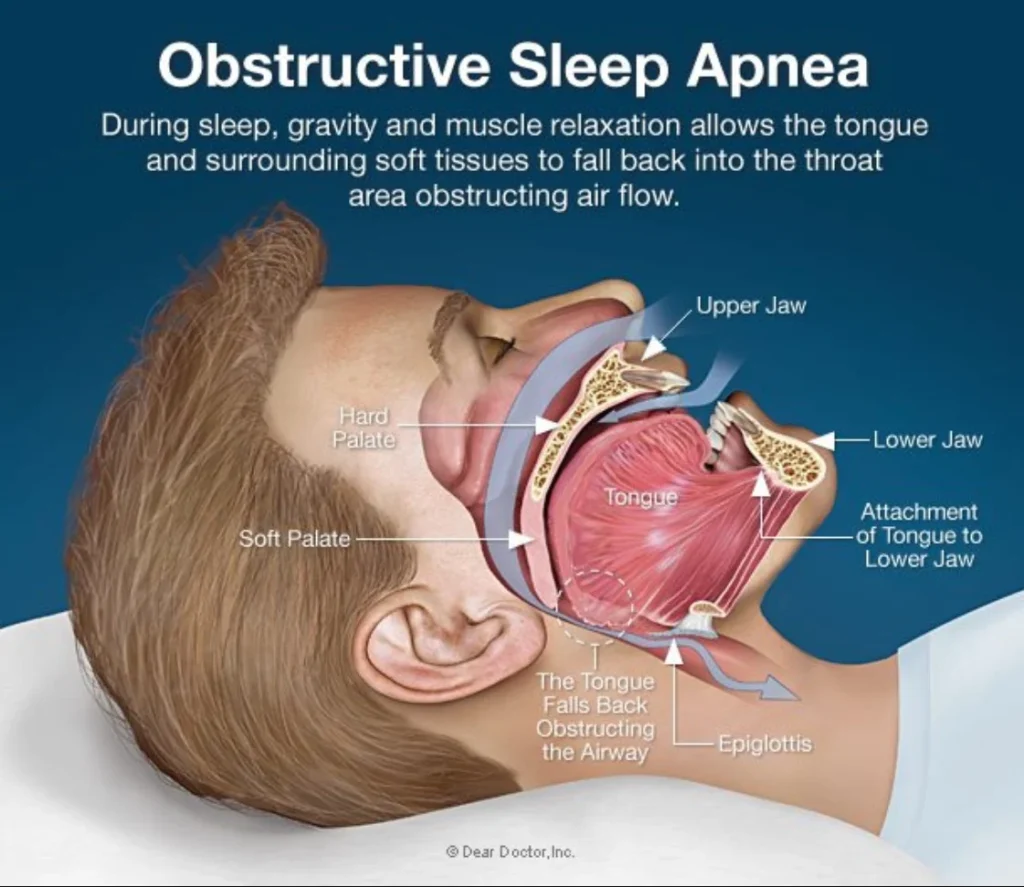
Jaw Pain and Snoring: How a Mouthpiece Can Tackle Both Issues
Aside from treating jaw pain and snoring, a mouthpiece can also have other benefits. For those who suffer from sleep apnea, a condition where breathing repeatedly stops and starts during sleep, a mouthpiece can be an effective treatment option. By keeping the airway open, it allows for uninterrupted breathing, reducing the risk of serious health complications associated with sleep apnea.
Furthermore, a mouthpiece can also improve sleep quality. Snoring can disrupt sleep for both the snorer and their partner, leading to daytime fatigue and irritability. By reducing snoring, a mouthpiece can help both parties get a better night’s rest.
It is essential to note that not all mouthpieces are the same. There are various types of mouthpieces, and it is crucial to choose the right one for your specific needs. Over-the-counter mouthpieces, while cheaper, may not fit properly and can be uncomfortable to wear. Custom-made mouthpieces, on the other hand, are designed to fit the individual’s teeth and jaw, ensuring maximum comfort and effectiveness.
To get a custom-made mouthpiece, one must visit a dentist or a sleep specialist. The process involves taking impressions of the teeth and jaw, which are then used to create a custom-made mouthpiece. It may take a few weeks to receive the mouthpiece, but the wait is worth it for the long-term benefits it provides.
In addition to using a mouthpiece, there are other lifestyle changes that one can make to reduce jaw pain and snoring. These include avoiding caffeine and alcohol before bedtime, maintaining a healthy weight, and practicing relaxation techniques to reduce stress and tension in the jaw muscles.
In summary, jaw pain and snoring are two common issues that can greatly affect one’s quality of life. However, they can both be effectively treated with a custom-made mouthpiece. By holding the jaw in a slightly forward position, a mouthpiece can alleviate jaw pain and reduce snoring. It can also improve sleep quality and provide relief for conditions like sleep apnea. If you suffer from jaw pain or snoring, consider talking to your dentist or sleep specialist about getting a custom-made mouthpiece to tackle both issues.