
Blog Post Title: Keep Calm and Snooze On: Tips for Reducing Snoring during Pregnancy
Pregnancy is a beautiful and exciting time for expecting mothers, but it also brings about many changes in the body. One common issue that many pregnant women face is snoring. Snoring can not only disrupt your sleep, but it can also affect your partner’s sleep and lead to fatigue and irritability. In this blog post, we will discuss the causes of snoring during pregnancy and provide tips on how to reduce it, allowing you to have a peaceful and restful sleep.
Causes of Snoring during Pregnancy:
1. Weight Gain: During pregnancy, women naturally gain weight to support the growth and development of the baby. This weight gain can also lead to an increase in neck circumference and cause the airways to narrow, resulting in snoring.
2. Hormonal Changes: The hormonal changes that occur during pregnancy can cause the nasal passages to become swollen, leading to congestion and snoring.
3. Sleeping Position: As the baby grows, the uterus puts pressure on the diaphragm, making it difficult for pregnant women to breathe. This can also lead to snoring, especially for women who sleep on their back.
4. Allergies and Congestion: Many pregnant women experience allergies or congestion due to the increased blood flow to the mucous membranes. This can cause blockage in the airways and lead to snoring.
Tips for Reducing Snoring during Pregnancy:
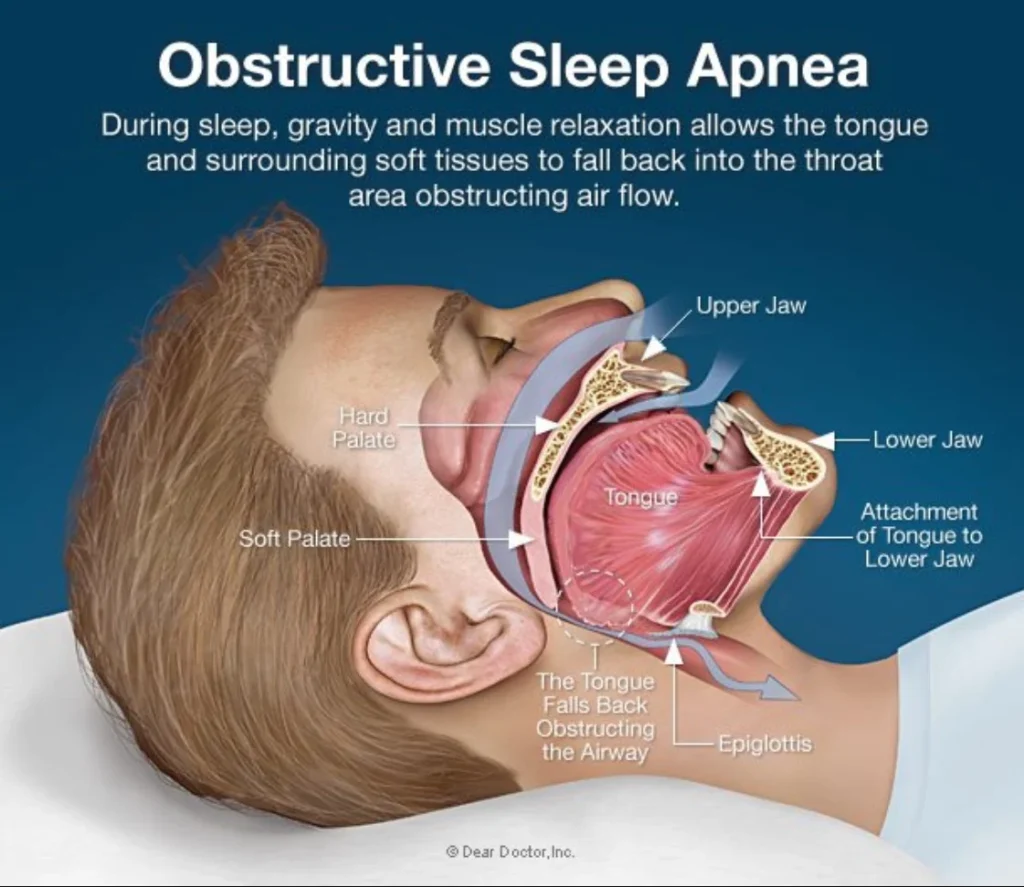
Keep Calm and Snooze On: Tips for Reducing Snoring during Pregnancy
1. Sleep on Your Side: Sleeping on your side can help alleviate snoring during pregnancy. This position allows the airways to remain open and prevents the tongue from falling back and blocking the air passage. You can use pillows to support your back and keep you from rolling onto your back while sleeping.
2. Elevate Your Head: Elevating your head while sleeping can also help reduce snoring. Use an extra pillow or a wedge pillow to elevate your head and keep your airways open.
3. Stay Hydrated: Drinking plenty of water throughout the day can help keep your nasal passages and airways moisturized, reducing the chances of congestion and snoring.
4. Use a Humidifier: A humidifier can add moisture to the air and help alleviate congestion, allowing you to breathe more easily while sleeping.
5. Avoid Allergens: If you have allergies, try to avoid allergens that can trigger congestion and snoring. Keep your bedroom clean and dust-free, and avoid using scented products that can irritate your nasal passages.
6. Try Nasal Strips: Nasal strips are a non-invasive and inexpensive option for reducing snoring. These strips open up the nasal passages and improve airflow, reducing snoring.
7. Consult with Your Doctor: If your snoring is severe and causing discomfort, it is essential to consult with your doctor. They can help determine the underlying cause of your snoring and provide appropriate treatment options.
8. Practice Good Sleep Habits: Getting enough rest and sleep is crucial during pregnancy. Practice good sleep habits, such as sticking to a regular sleep schedule, avoiding caffeine and heavy meals before bedtime, and creating a comfortable sleep environment.
In summary, pregnancy can bring about many changes in the body, including snoring. However, by following these tips, you can reduce snoring and have a more peaceful and restful sleep. It is essential to remember that snoring during pregnancy is temporary and will likely go away after giving birth. If you are concerned about your snoring, consult with your doctor for proper guidance and treatment.