
Lifestyle Changes That Can Help You Finally Get a Good Night’s Sleep
Do you struggle with falling asleep or staying asleep? You’re not alone. According to the National Sleep Foundation, 35% of adults in the US report experiencing poor sleep quality. Lack of sleep can lead to a variety of health issues, including fatigue, increased stress, and a weakened immune system. However, making simple lifestyle changes can greatly improve your sleep quality and help you get the rest your body needs. In this blog post, we will discuss some lifestyle changes that can help you finally get a good night’s sleep.
1. Stick to a Consistent Sleep Schedule
One of the most important things you can do to improve your sleep is to establish a consistent sleep schedule. Try to go to bed and wake up at the same time every day, even on weekends. This will help regulate your body’s internal clock and make it easier for you to fall asleep and wake up naturally.
2. Create a Relaxing Bedroom Environment
Your bedroom should be a peaceful and relaxing space that promotes sleep. Make sure your room is dark, cool, and quiet. Invest in blackout curtains to block out any outside light, use a fan or white noise machine to drown out any noise, and keep the temperature between 60-67 degrees Fahrenheit for optimal sleep.
3. Limit Caffeine and Alcohol Intake
Consuming caffeine and alcohol close to bedtime can disrupt your sleep. Caffeine is a stimulant that can keep you awake, so it’s best to avoid it at least 6 hours before bedtime. While alcohol may make you feel drowsy, it can actually disrupt your sleep cycle and cause you to wake up in the middle of the night.
4. Exercise Regularly
Regular exercise not only benefits your physical health, but it can also improve your sleep. Exercise releases endorphins, which can help reduce stress and promote relaxation. However, it’s important to avoid exercising close to bedtime as it can make it harder for your body to wind down and fall asleep.
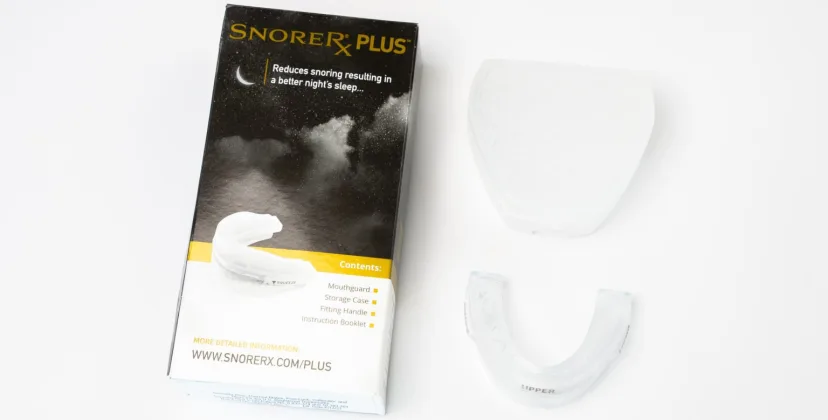
Lifestyle Changes That Can Help You Finally Get a Good Night's Sleep
5. Practice Relaxation Techniques
If you find yourself tossing and turning at night, try practicing relaxation techniques such as deep breathing, meditation, or progressive muscle relaxation. These techniques can help calm your mind and body and prepare you for a restful night’s sleep.
6. Avoid Screen Time Before Bed
The blue light emitted from electronic devices such as smartphones, TVs, and laptops can suppress the production of melatonin, a hormone that helps regulate sleep. Avoid using these devices at least an hour before bedtime to allow your body to produce enough melatonin for a good night’s sleep.
7. Invest in a Comfortable Mattress and Pillow
The quality of your mattress and pillow plays a significant role in your sleep quality. A comfortable and supportive mattress and pillow can help alleviate any aches or pains and promote better sleep. Make sure to replace your mattress and pillow every 7-10 years for optimal comfort and support.
8. Try Aromatherapy
Certain scents, such as lavender, have been shown to have a calming effect and promote sleep. Consider using essential oils or a lavender-scented pillow spray in your bedroom to create a relaxing atmosphere.
9. Keep a Sleep Diary
If you’re having trouble pinpointing the cause of your sleep issues, try keeping a sleep diary. Write down your sleep habits, activities before bedtime, and any factors that may have affected your sleep. This can help you identify patterns and make necessary changes to improve your sleep.
10. Seek Professional Help if Needed
If you’ve tried making lifestyle changes and are still having trouble sleeping, it’s important to seek professional help. A doctor or sleep specialist can help identify any underlying sleep disorders or provide personalized recommendations to improve your sleep.
In conclusion, getting a good night’s sleep is crucial for your overall health and well-being. By making simple lifestyle changes such as sticking to a sleep schedule, creating a relaxing bedroom environment, limiting caffeine and alcohol intake, exercising regularly, and practicing relaxation techniques, you can greatly improve your sleep quality. Remember, everyone’s sleep needs are different, so it’s important to find what works best for you and stick to it. Sweet dreams!