
Lifestyle Changes to Help You (and Your Partner) Get a Good Night’s Sleep
Sleep is an essential aspect of our overall health and well-being. It allows our bodies to rest, repair, and recharge for the next day. However, getting a good night’s sleep can be challenging for many people, especially if they have a partner who also struggles with sleep. In this blog post, we will discuss some lifestyle changes that you and your partner can make to improve your sleep quality and quantity.
1. Establish a Regular Sleep Schedule
One of the most important lifestyle changes that can help you and your partner get a good night’s sleep is to establish a regular sleep schedule. This means going to bed and waking up at the same time every day, even on weekends. By sticking to a consistent sleep schedule, your body’s internal clock will be better regulated, making it easier to fall asleep and wake up feeling well-rested.
2. Create a Relaxing Bedroom Environment
Your bedroom plays a crucial role in promoting quality sleep. It should be a calm and peaceful environment that promotes relaxation. To achieve this, make sure your bedroom is dark, cool, and quiet. Consider investing in blackout curtains, a white noise machine, or earplugs if you and your partner are sensitive to light and noise. Additionally, keep your bedroom clutter-free to create a sense of calm and order.
3. Limit Screen Time Before Bed
The blue light emitted from electronic devices, such as phones, laptops, and televisions, can disrupt our natural sleep patterns. It suppresses the production of melatonin, the hormone that helps us fall asleep. Therefore, it is essential to limit screen time before bed. Aim to stop using electronic devices at least an hour before bedtime and instead engage in relaxing activities like reading, listening to music, or taking a warm bath.
4. Avoid Caffeine and Alcohol Before Bed
Many people rely on caffeine to stay alert during the day, but consuming it close to bedtime can make it difficult to fall asleep. Similarly, while alcohol may make you feel drowsy, it can disrupt your sleep cycle and lead to poor sleep quality. Therefore, it is best to avoid caffeine and alcohol at least four hours before bedtime to allow your body to wind down and prepare for sleep.
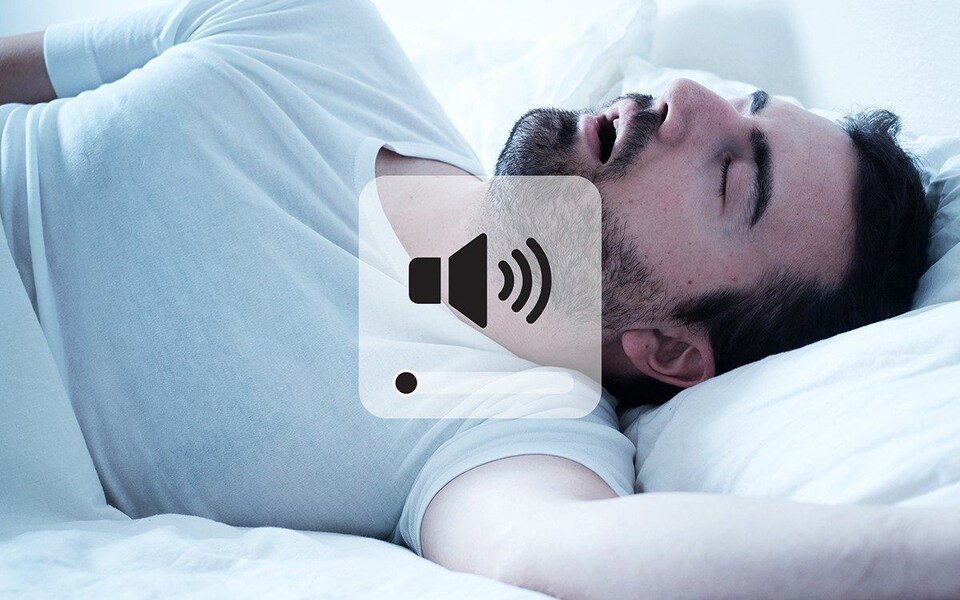
Lifestyle Changes to Help You (and Your Partner) Get a Good Night's Sleep
5. Practice Stress-Relieving Techniques
Stress and anxiety are common culprits of poor sleep. If you or your partner struggle with stress, it is crucial to find ways to manage it before bedtime. This can include practicing relaxation techniques like deep breathing, meditation, or yoga. Additionally, try to address any sources of stress in your life and find healthy ways to cope with them.
6. Exercise Regularly
Regular exercise is not only beneficial for our physical health but also for our sleep. Engaging in physical activity during the day can help reduce stress, decrease anxiety, and improve sleep quality. However, it is essential to avoid vigorous exercise close to bedtime as it can have the opposite effect and make it difficult to fall asleep.
7. Invest in a Comfortable Mattress and Pillows
Having a comfortable mattress and pillows can make a significant difference in how well you sleep. If your mattress is old and uncomfortable, it may be time to invest in a new one. Similarly, using the right pillows to support your head and neck can help prevent neck and back pain, allowing you and your partner to sleep better.
8. Communicate with Your Partner
If you and your partner have different sleep schedules or preferences, it is crucial to communicate and find a compromise that works for both of you. For example, if one partner is a night owl and the other is an early bird, they can agree to have quiet activities in the bedroom, such as reading or using headphones, to avoid disrupting each other’s sleep.
9. Seek Professional Help if Needed
If you or your partner consistently struggle with sleep despite making lifestyle changes, it may be a sign of an underlying sleep disorder. In such cases, it is essential to seek professional help from a doctor or a sleep specialist. They can help diagnose and treat any sleep issues, allowing you and your partner to get the quality sleep you need.
In conclusion, getting a good night’s sleep is crucial for our physical, mental, and emotional well-being. By making these lifestyle changes, you and your partner can create a sleep-friendly environment and develop healthy habits that promote restful sleep. Remember, good sleep is a shared responsibility, so communicate and work together to prioritize and improve your sleep.