
On a red-eye flight home, “M.” promised they’d fix their snoring “as soon as we land.” Two nights later, the bedroom sounded like a leaf blower. Their partner tried earplugs, white-noise apps, and a new sleep tracker that claimed to score “recovery.” Nothing stuck. The next morning, M. searched one phrase: anti snoring mouthpiece.
That storyline is everywhere right now. Sleep gadgets are trending. Travel fatigue is real. Workplace burnout has people chasing deeper rest. And relationship humor about snoring keeps making the rounds because it’s relatable.
Here’s the practical, safety-first way to think about mouthpieces, sleep quality, and when to stop guessing and get screened.
Overview: Why snoring is suddenly everyone’s problem
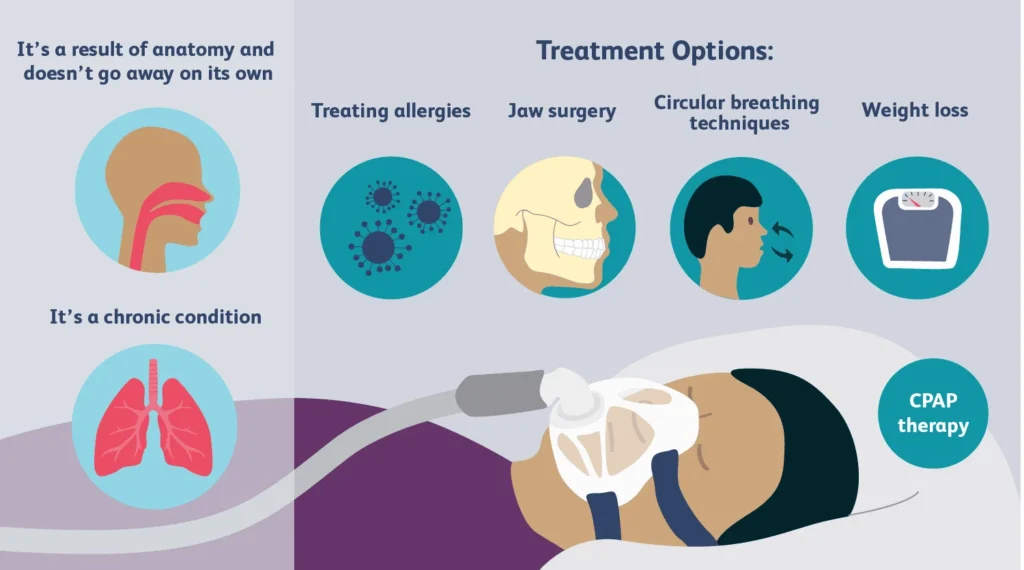
Snoring can be a simple nuisance, or it can be a clue that breathing during sleep isn’t as steady as it should be. Either way, it can crush sleep quality for both the snorer and the person listening.
In the headlines, you’ll see more talk about airway-focused dentistry and more guides on sleep apnea documentation and benefits. You’ll also see consumer roundups of mouthguards and mouthpieces. That mix reflects one big shift: people want solutions they can try at home, but they also want to avoid missing something serious.
If you want a clear overview of red flags, start with this reference on Creative Smiles Dentistry Advances Airway Dentistry to Address Sleep and Breathing Health in Tucson. Keep it general: you’re screening for patterns, not self-diagnosing.
Timing: When to try a mouthpiece (and when to pause)
Good timing to test a mouthpiece
- Your snoring is frequent and position-related (worse on your back).
- You wake up with a dry mouth, but you don’t notice gasping or choking.
- You want a non-drug, travel-friendly option that’s easy to pack.
Pause and get screened first
- Loud snoring plus choking/gasping, witnessed pauses in breathing, or severe daytime sleepiness.
- Morning headaches, high blood pressure concerns, or you feel unrefreshed despite “enough” hours.
- Jaw joint problems (TMJ), loose teeth, significant dental pain, or active gum disease.
Safety and screening matter. If you’re documenting sleep issues for work accommodations, insurance, or benefits, clear records help. Track symptoms, what you tried, and what changed. Keep it simple and honest.
Supplies: What you actually need (no gadget pile)
- A mouthpiece designed for snoring (not a random sports guard).
- A toothbrush and mild soap for routine cleaning (follow the product instructions).
- A ventilated storage case so it can dry between uses.
- Optional: nasal strips or a humidifier if congestion is part of your story.
If you’re comparing styles, focus on comfort, adjustability, and materials. You can browse anti snoring mouthpiece to see common designs and what they’re intended to do.
Step-by-step (ICI): Identify → Choose → Implement
1) Identify your snoring pattern (3-night snapshot)
Before you change anything, gather a baseline. Use a simple note on your phone for three nights:
- Bedtime and wake time
- Alcohol close to bed (yes/no)
- Congestion (none/mild/heavy)
- Partner report: loudness and whether it stopped when you changed position
- How you felt the next day (sleepy, foggy, okay)
This reduces guesswork. It also helps you notice if the problem looks bigger than snoring.
2) Choose the right type for your mouth and goals
Most anti-snoring mouthpieces fall into a few buckets:
- Mandibular advancement devices (MAD-style): aim to hold the lower jaw slightly forward to keep the airway more open.
- Tongue-retaining devices (TRD-style): aim to keep the tongue from falling back.
If you have jaw sensitivity, start conservatively. Comfort affects consistency, and consistency is what makes any sleep tool worth using.
3) Implement with a low-drama ramp-up
- Night 1–2: wear it for short periods before sleep to get used to the feel.
- Night 3–7: use it overnight, but stop if you feel sharp pain or significant jaw locking.
- Week 2: adjust gradually if your model allows it. Tiny changes beat big jumps.
Clean it daily as directed, let it dry, and store it properly. That reduces odor and lowers the chance of mouth irritation.
Mistakes that ruin results (and how to avoid them)
Buying a sports mouthguard and calling it “anti-snoring”
Sports guards protect teeth from impact. They’re not designed to position the jaw or tongue for airflow.
Cranking adjustments too fast
More forward isn’t always better. Overdoing it can trigger jaw pain, tooth soreness, and noncompliance.
Ignoring bite changes or morning jaw pain
Mild pressure can happen at first. Persistent pain, bite shifts, or headaches are signals to pause and reassess.
Trying to “out-gadget” the problem
Sleep trackers, smart rings, and white-noise machines can be useful. They don’t replace screening when symptoms suggest sleep apnea or another health issue.
Skipping documentation
If you’re dealing with workplace burnout, safety-sensitive work, or you’re pursuing formal evaluation, notes matter. Write down what you used, how often, and what improved or didn’t.
FAQ: Quick answers people want before they buy
Will a mouthpiece stop snoring immediately?
Sometimes, but not always. Many people need a short adjustment period to find a comfortable, effective fit.
What if my partner says I still snore?
Re-check fit, sleep position, and congestion. If loud snoring continues with daytime symptoms, consider a medical screening.
Can I use one when traveling?
Yes, many are travel-friendly. Keep it in a ventilated case and maintain cleaning habits even on short trips.
Is snoring just “annoying,” or is it a health issue?
It can be either. The safest approach is to treat persistent snoring as a reason to screen for breathing-related sleep problems, especially if you’re tired during the day.
CTA: Make the next step simple
If you’re ready to explore options without overcomplicating your nightstand, start with a focused look at mouthpiece styles and fit.
How do anti-snoring mouthpieces work?
Medical disclaimer: This article is for general education only and is not medical advice. Snoring can be a sign of a sleep-related breathing disorder. If you have choking/gasping at night, witnessed breathing pauses, significant daytime sleepiness, chest pain, or severe jaw/tooth symptoms, seek evaluation from a qualified clinician or dental professional.