
Mastering Snoring: Tips for Using a Mouthpiece with Tongue Stabilizer Effectively
Snoring is a common problem that affects millions of people worldwide. It not only disrupts your own sleep, but it can also disturb your partner’s rest. While there are various causes of snoring, one effective solution is the use of a mouthpiece with a tongue stabilizer. This device helps keep the tongue in place and prevents it from obstructing the airway, reducing snoring significantly. However, using a mouthpiece with a tongue stabilizer may take some getting used to and requires proper technique for maximum effectiveness. In this blog post, we will discuss tips for mastering snoring and using a mouthpiece with a tongue stabilizer effectively.
Understanding Snoring and Its Causes
Before delving into tips for using a mouthpiece with a tongue stabilizer, it is essential to understand what causes snoring. Snoring occurs when the tissues at the back of the throat relax and vibrate as you breathe, causing a loud, hoarse sound. Several factors can contribute to snoring, such as:
1. Weight: Being overweight can lead to excess fat around the neck, which can obstruct the airway and cause snoring.
2. Age: As we age, our throat muscles tend to relax more, making them more prone to vibrating and causing snoring.
3. Alcohol consumption: Drinking alcohol can relax the muscles in the throat, leading to snoring.
4. Sleeping position: Sleeping on your back can cause the tongue to fall back and obstruct the airway, resulting in snoring.
5. Nasal congestion: Allergies, colds, or sinus infections can cause nasal congestion, making it difficult to breathe through the nose, leading to snoring.
Why Use a Mouthpiece with a Tongue Stabilizer?
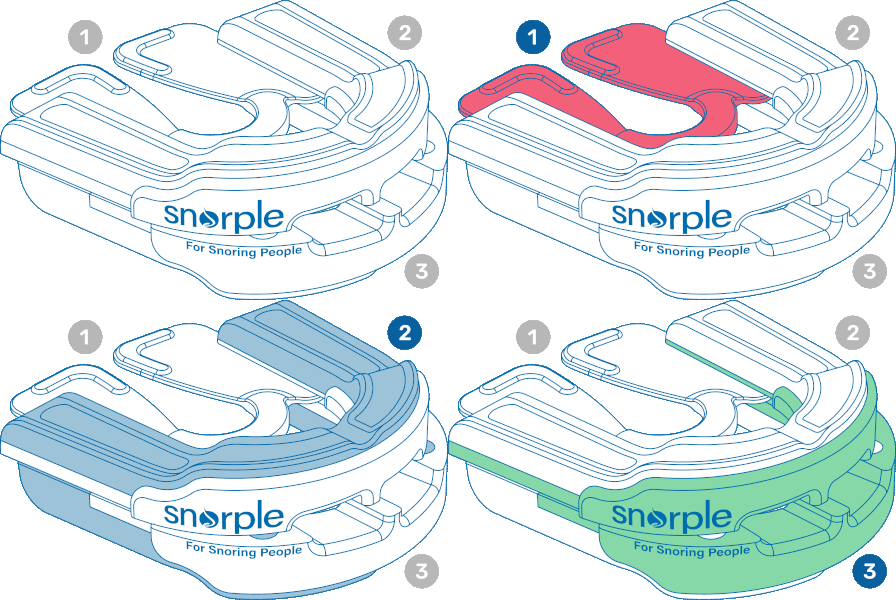
A mouthpiece with a tongue stabilizer is a device that is worn in the mouth while sleeping. It works by holding the tongue in place and preventing it from falling back and obstructing the airway, reducing snoring. This device is relatively inexpensive and non-invasive, making it an attractive option for those looking to reduce snoring without surgery or medication.
Mastering Snoring: Tips for Using a Mouthpiece with Tongue Stabilizer Effectively
Tips for Using a Mouthpiece with a Tongue Stabilizer Effectively
1. Choose the Right Mouthpiece
When it comes to choosing a mouthpiece with a tongue stabilizer, it is essential to select the right one for your needs. There are various types of mouthpieces available, such as boil-and-bite, adjustable, and custom-made. It is crucial to consult with a dentist or sleep specialist to determine which type is best for you.
2. Follow Instructions and Wear the Mouthpiece Properly
Once you have chosen the right mouthpiece, it is essential to follow the instructions provided carefully. Improper placement or fit can lead to discomfort and reduced effectiveness. Make sure to wear the mouthpiece as directed and adjust it if necessary.
3. Give It Time
It may take some time for your body to adjust to wearing a mouthpiece with a tongue stabilizer. It is not uncommon to experience discomfort or difficulty sleeping in the first few nights. However, with patience and persistence, your body will adapt, and you will start to see a reduction in snoring.
4. Practice Good Oral Hygiene
It is crucial to maintain good oral hygiene when using a mouthpiece with a tongue stabilizer. This includes cleaning the device regularly, as well as brushing and flossing your teeth before bed. A clean mouthpiece will not only be more comfortable to wear, but it will also prevent the build-up of bacteria.
5. Combine with Lifestyle Changes
While a mouthpiece with a tongue stabilizer can be an effective solution for snoring, it is essential to combine it with lifestyle changes for optimal results. Losing weight, avoiding alcohol before bed, and sleeping on your side can all help reduce snoring.
In summary, using a mouthpiece with a tongue stabilizer can be an effective solution for snoring. It works by keeping the tongue in place and preventing it from obstructing the airway, reducing snoring significantly. To use this device effectively, it is essential to choose the right mouthpiece, follow instructions, give it time, practice good oral hygiene, and combine it with lifestyle changes.