
Maximizing Comfort: Choosing the Right Mouthpiece for Snoring and RLS
Do you struggle with snoring or Restless Leg Syndrome (RLS) that disrupts your sleep and affects your daily life? You’re not alone. According to the American Academy of Sleep Medicine, about 30% of adults experience chronic snoring, and RLS affects approximately 10% of the population. These conditions not only affect the individual but also their sleep partners and/or roommates. Fortunately, there are solutions available to help reduce the symptoms and improve sleep quality, such as wearing a mouthpiece.
Mouthpieces, also known as oral appliances, are devices that are custom-made or adjustable and fit comfortably in the mouth to help keep the airway open and prevent snoring and RLS. They are a popular and effective solution for those who cannot use Continuous Positive Airway Pressure (CPAP) machines or are looking for a more comfortable alternative. However, with so many options available, it can be overwhelming to choose the right mouthpiece. In this blog post, we will discuss the various types of mouthpieces and how to choose the right one for maximum comfort and effectiveness.
Types of Mouthpieces
Before we dive into how to choose the right mouthpiece, it’s essential to understand the different types available. The two main categories of mouthpieces are Mandibular Advancement Devices (MADs) and Tongue Retaining Devices (TRDs).
1. Mandibular Advancement Devices (MADs)
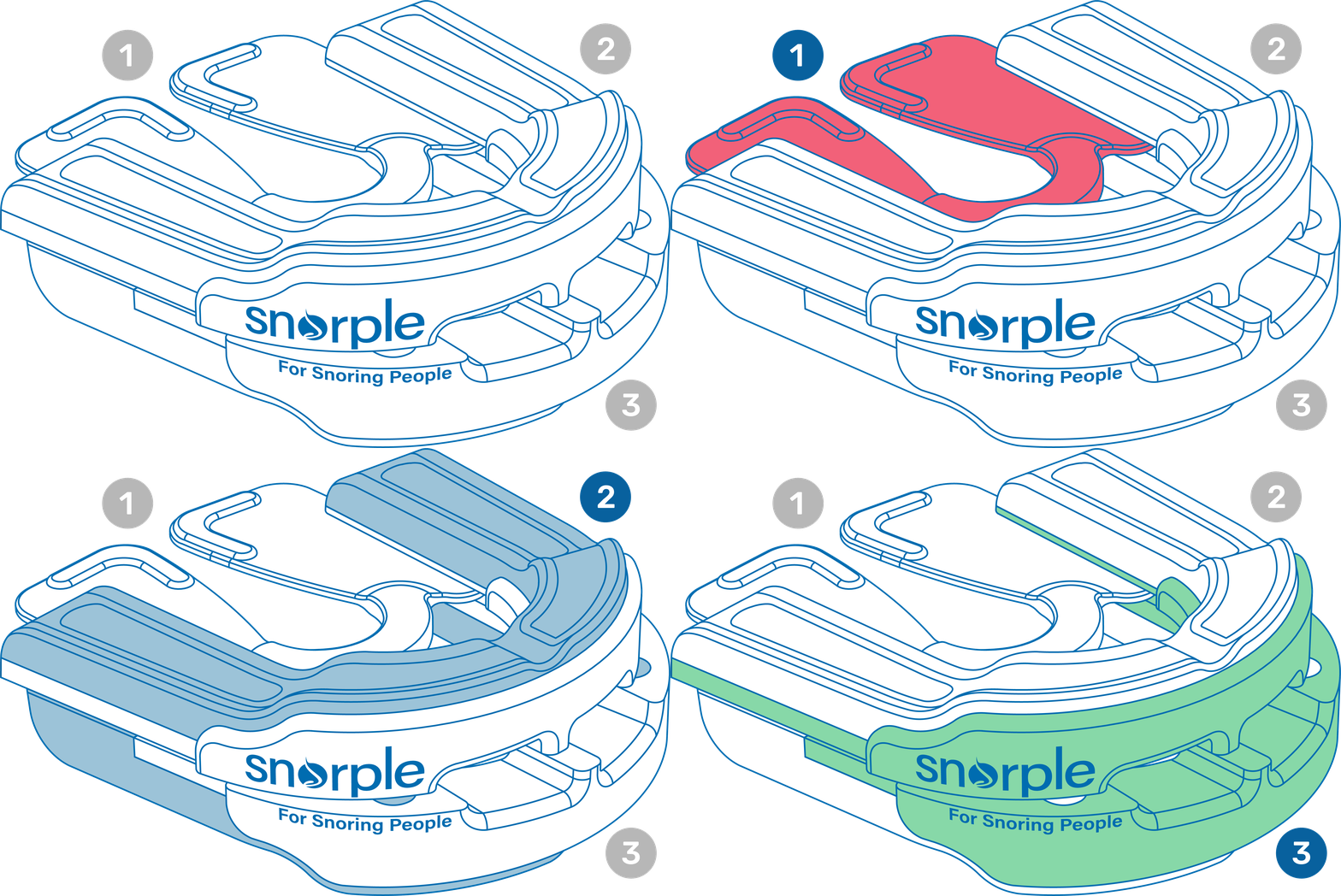
MADs are the most common type of mouthpiece and are designed to move the lower jaw slightly forward to open up the airway and prevent snoring and RLS. They are custom-made by a dentist or orthodontist to fit the individual’s mouth and are adjustable for maximum comfort. MADs are also available in generic, one-size-fits-all options, but they may not be as effective as custom-made ones.
2. Tongue Retaining Devices (TRDs)
Unlike MADs, TRDs do not adjust the jaw position. Instead, they hold the tongue in place to prevent it from falling back and blocking the airway. TRDs are also custom-made and fit around the tongue, with a suction cup attached to the tip to keep the tongue in place. However, they may take some time to get used to and may not be suitable for those with a sensitive gag reflex.
Choosing the Right Mouthpiece
Now that we have a better understanding of the different types of mouthpieces let’s discuss how to choose the right one for you.
1. Consult with a Medical Professional
The first step in choosing the right mouthpiece is to consult with a medical professional, such as a sleep specialist, dentist, or orthodontist. They can evaluate your specific condition and recommend the most suitable type of mouthpiece for you. They can also provide a custom-made mouthpiece to ensure the best fit and comfort.
Maximizing Comfort: Choosing the Right Mouthpiece for Snoring and RLS
2. Consider Your Comfort Level
Comfort is crucial when choosing a mouthpiece, as you will be wearing it for several hours while sleeping. MADs are generally more comfortable for most people, as they do not require the suction cup attachment that TRDs have. However, some may find TRDs more comfortable as they do not affect the jaw position. It is essential to try different options and see which one feels most comfortable for you.
3. Read Reviews and Do Your Research
With so many options available, it can be helpful to read reviews and research different mouthpieces before making a decision. Look for reviews from people with similar conditions and see what worked for them. Additionally, do some research on the materials used in the mouthpiece, as some may be more comfortable than others.
4. Check for FDA Approval
When choosing a mouthpiece, make sure it has FDA approval. This means that the device has been evaluated and deemed safe and effective for treating snoring and RLS. Devices without FDA approval may not be as effective or safe, so it’s best to avoid them.
5. Consider the Adjustability and Customization Options
Some mouthpieces, especially MADs, come with adjustable features to allow for a better fit and maximum comfort. These may include adjustable jaw position, adjustable straps, or different sizes of trays. Custom-made mouthpieces are also highly recommended, as they are specifically made for your mouth and can be adjusted for a better fit.
6. Be Patient and Give It Time
It’s essential to be patient when trying out a new mouthpiece. It may take some time to get used to wearing it while sleeping, and it may take a few nights to see the full benefits. It’s also crucial to follow the instructions provided by your medical professional or the manufacturer to ensure proper usage and maximum effectiveness.
In conclusion, choosing the right mouthpiece for snoring and RLS can significantly improve your sleep quality and overall well-being. It’s essential to consult with a medical professional, consider your comfort level, read reviews, and give it time to find the right mouthpiece for you. With the right mouthpiece, you can say goodbye to disruptive snoring and RLS and hello to a good night’s sleep.
Summary:
Snoring and Restless Leg Syndrome (RLS) can significantly disrupt sleep and affect daily life. Mouthpieces, also known as oral appliances, are a popular and effective solution to reduce the symptoms. The two main types of mouthpieces are Mandibular Advancement Devices (MADs) and Tongue Retaining Devices (TRDs). To choose the right mouthpiece for maximum comfort, it’s essential to consult with a medical professional, consider comfort, read reviews, check for FDA approval, consider adjustability and customization options, and be patient. With the right mouthpiece, individuals can improve their sleep quality and overall well-being.